How to Add OTC Trading to Your Crypto Exchange
OTC desks handle 65-70% of institutional crypto volume. If you're not offering OTC, you're leaving the biggest clients on the table.
Practical guides for exchange operators. From licensing and security architecture to choosing the right tech stack : we cover what matters when building a crypto exchange business.
OTC desks handle 65-70% of institutional crypto volume. If you're not offering OTC, you're leaving the biggest clients on the table.
Wash trading still accounts for up to 70% of volume on unregulated exchanges. Here's how to make sure yours isn't one of them.
Most exchanges fail their first regulatory audit. Here's exactly what auditors look for and how to make sure you pass.
Sub-Saharan Africa's crypto volume hit $200B. Ghana launched a sandbox. South Africa went CARF. Here's exactly how to build an exchange for the continent.
65% of all crypto volume is bot-driven. If your exchange doesn't offer AI trading tools, you're losing users to ones that do.
Launchpads are back. Gate.io just pulled $81M in three days. Here's how to build one that prints money.
The crypto payments market just crossed a tipping point. Here's exactly how to build a gateway that captures it.
Dubai's VARA license is the most sought-after crypto regulatory approval in the Middle East, but the application process trips up most first-time applicants -- here is exactly what to expect.
Singapore remains one of the most credible jurisdictions for licensed crypto exchanges, but the MAS application process is rigorous -- here is exactly what it takes to get approved.
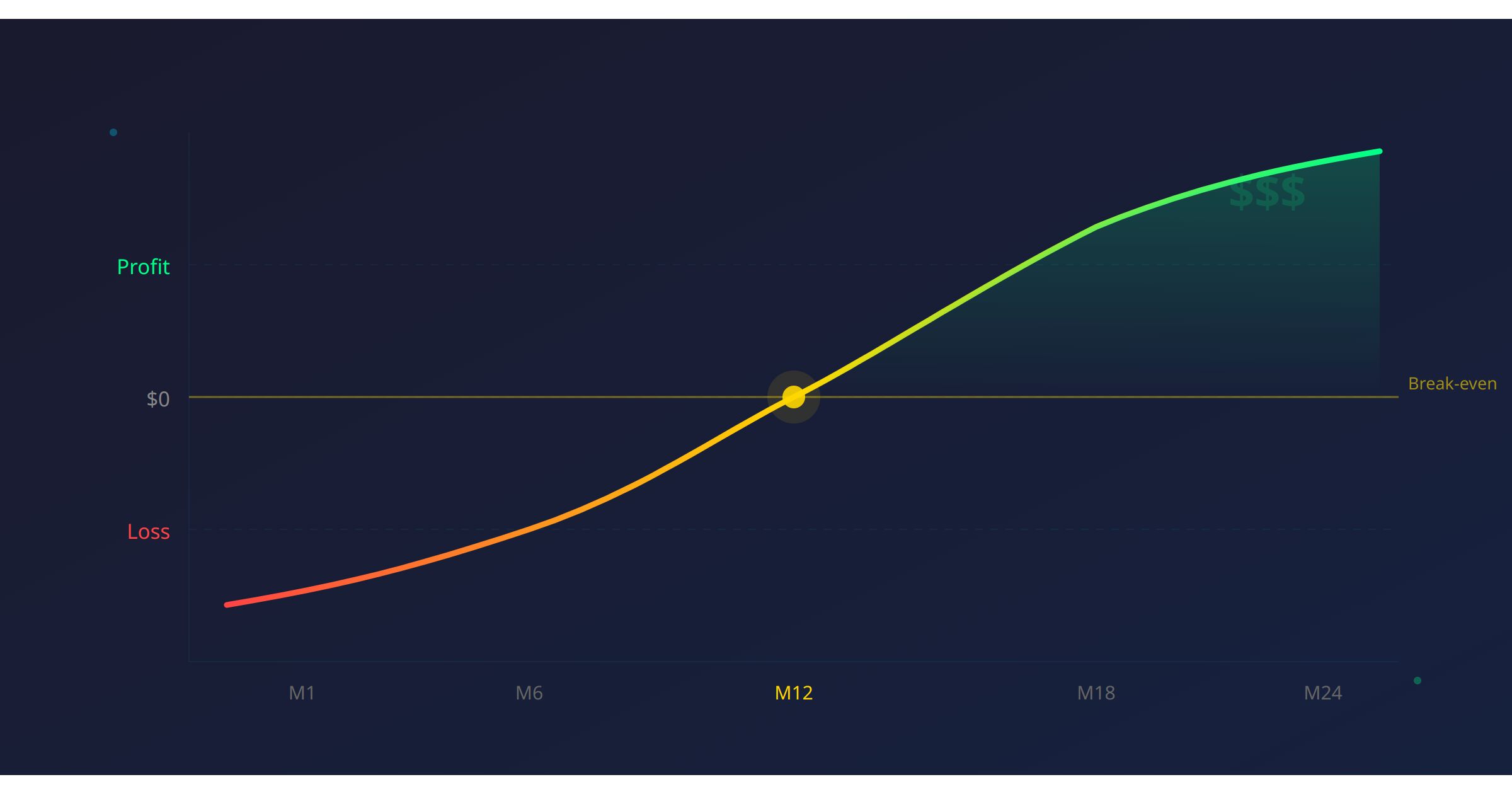
When does a crypto exchange actually make money? We break down unit economics, fixed and variable costs, revenue projections, and break-even timelines across three launch tiers -- with real numbers.
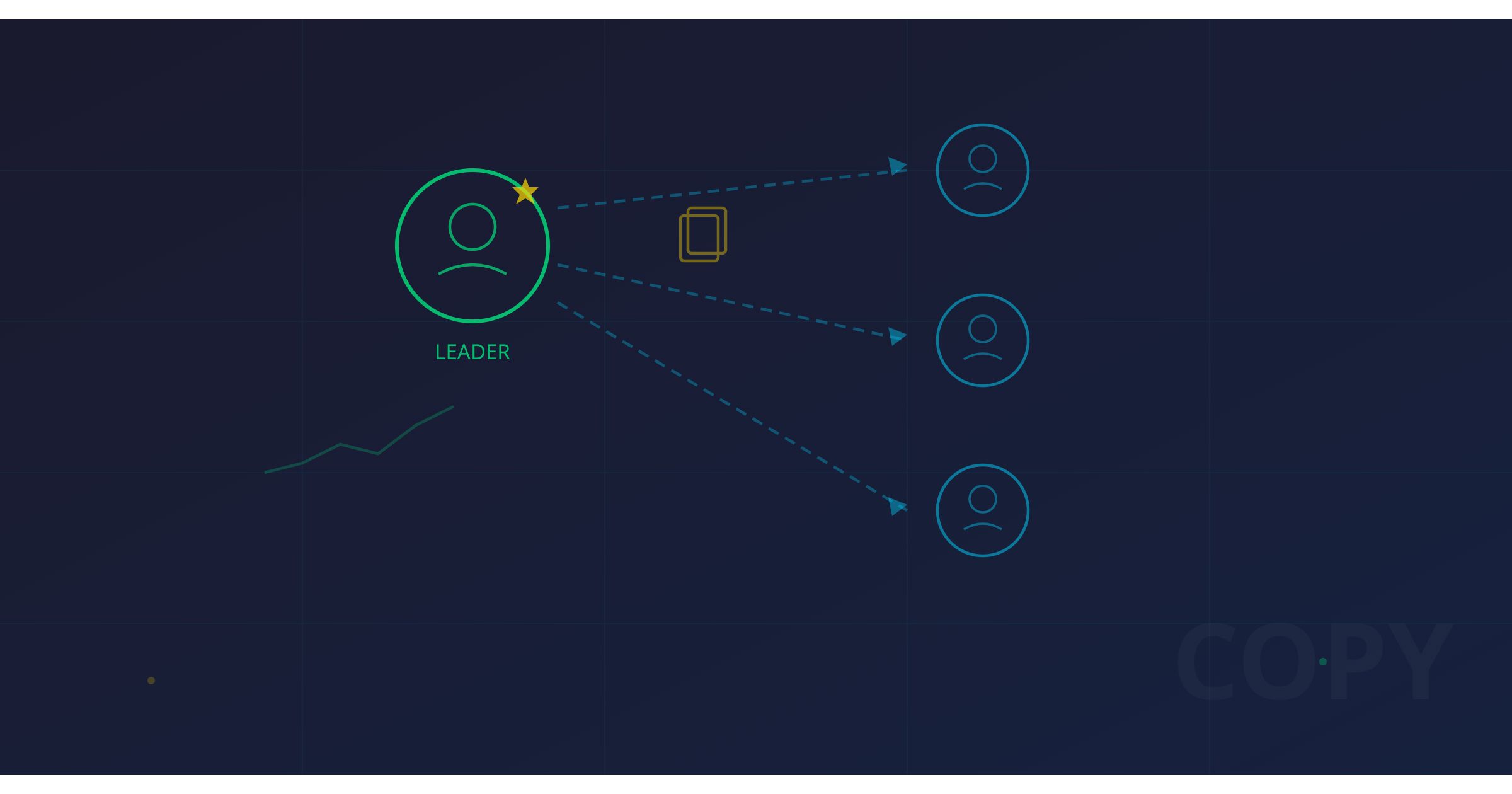
A detailed guide to implementing copy trading on your cryptocurrency exchange, covering leader/follower architecture, order mirroring engines, risk controls, revenue models, and UX best practices drawn from Bybit and Bitget.
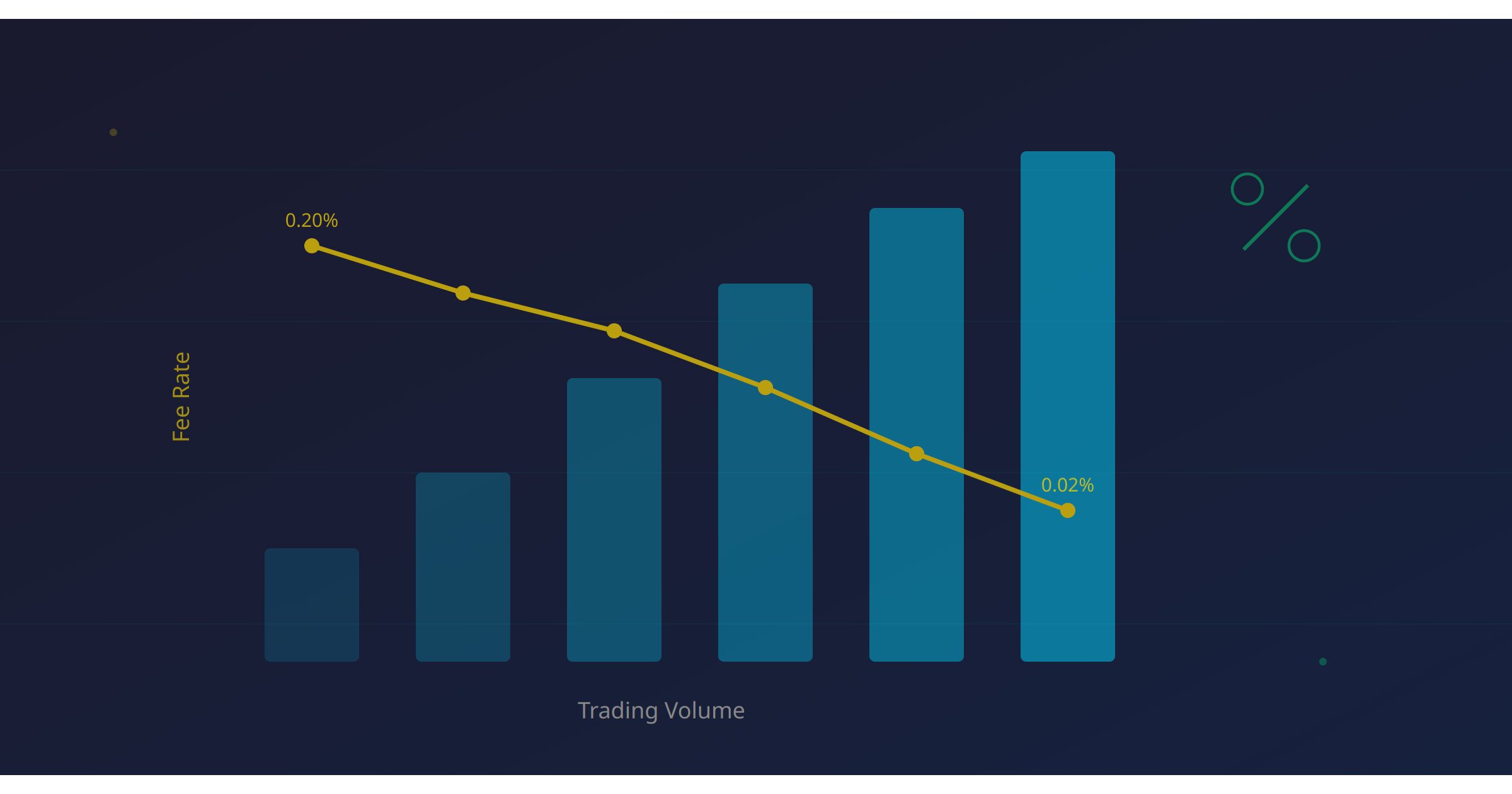
Your fee structure is your single most important business decision. Too high and traders leave. Too low and you bleed cash. This guide breaks down exactly how to price every fee on your exchange.
The Middle East is one of the fastest-growing crypto markets in the world. This guide covers everything from licensing in Dubai, Abu Dhabi, and Bahrain to Sharia-compliant trading, Arabic localization, and go-to-market strategy.
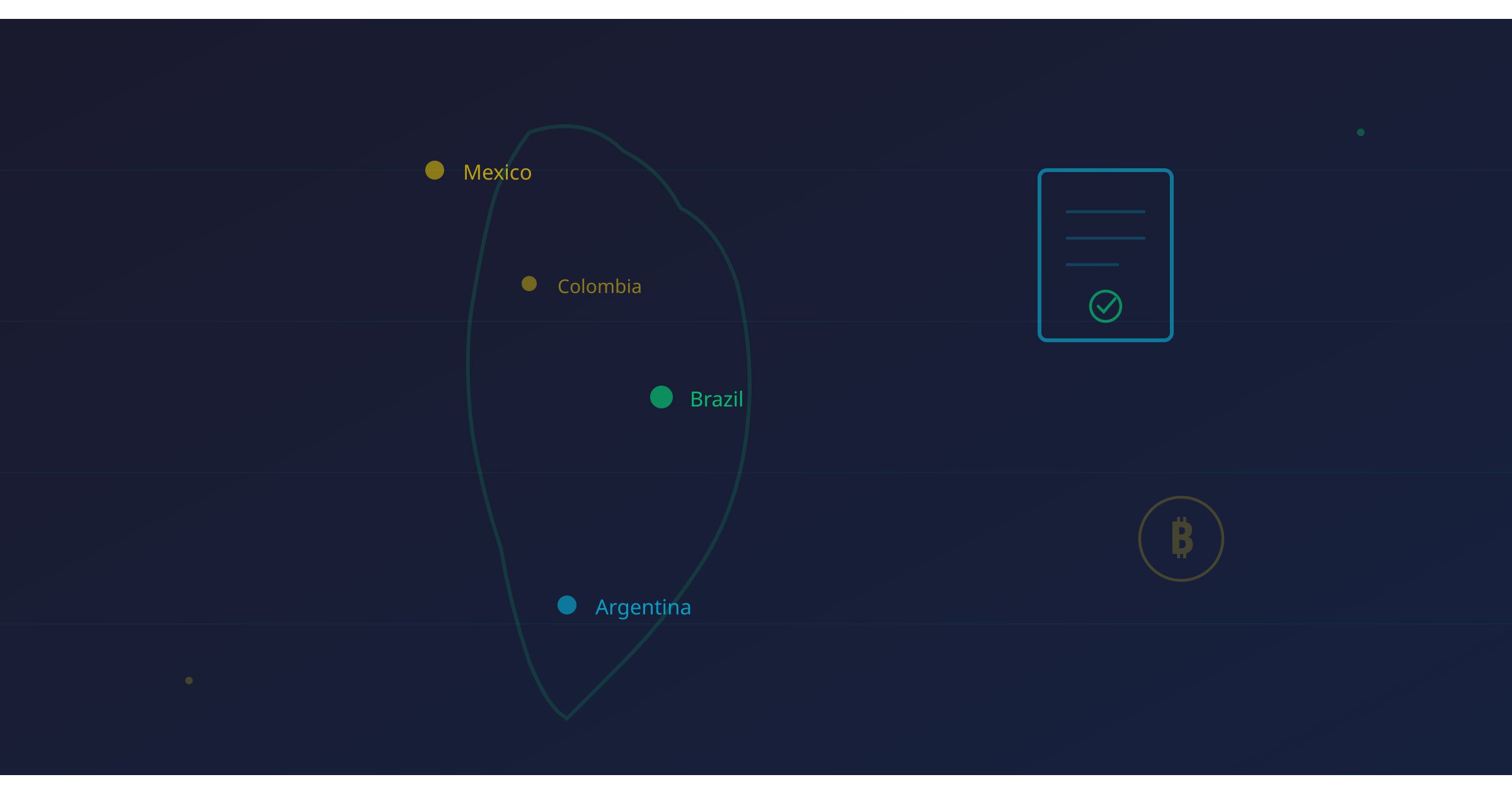
Latin America is one of the fastest-growing crypto markets on the planet. Here is what it actually takes to get licensed and launch an exchange in Brazil, Mexico, Argentina, and other key LatAm jurisdictions.
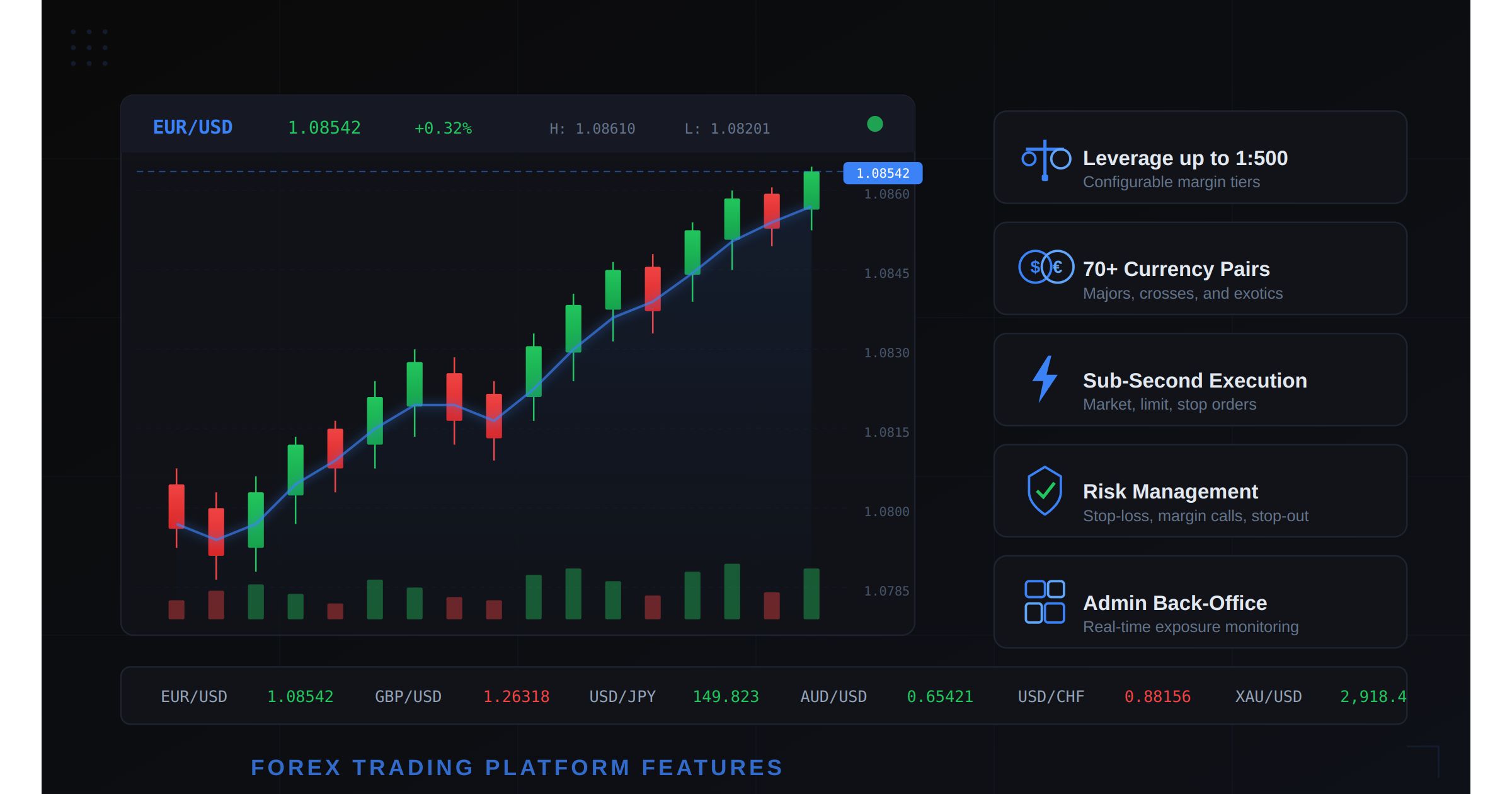
Complete checklist of forex trading platform features every broker needs. From order execution and charting to risk management and regulatory compliance.
Step-by-step guide to building a centralized NFT marketplace. Covers architecture, smart contracts, wallet integration, monetization, and launch strategy.
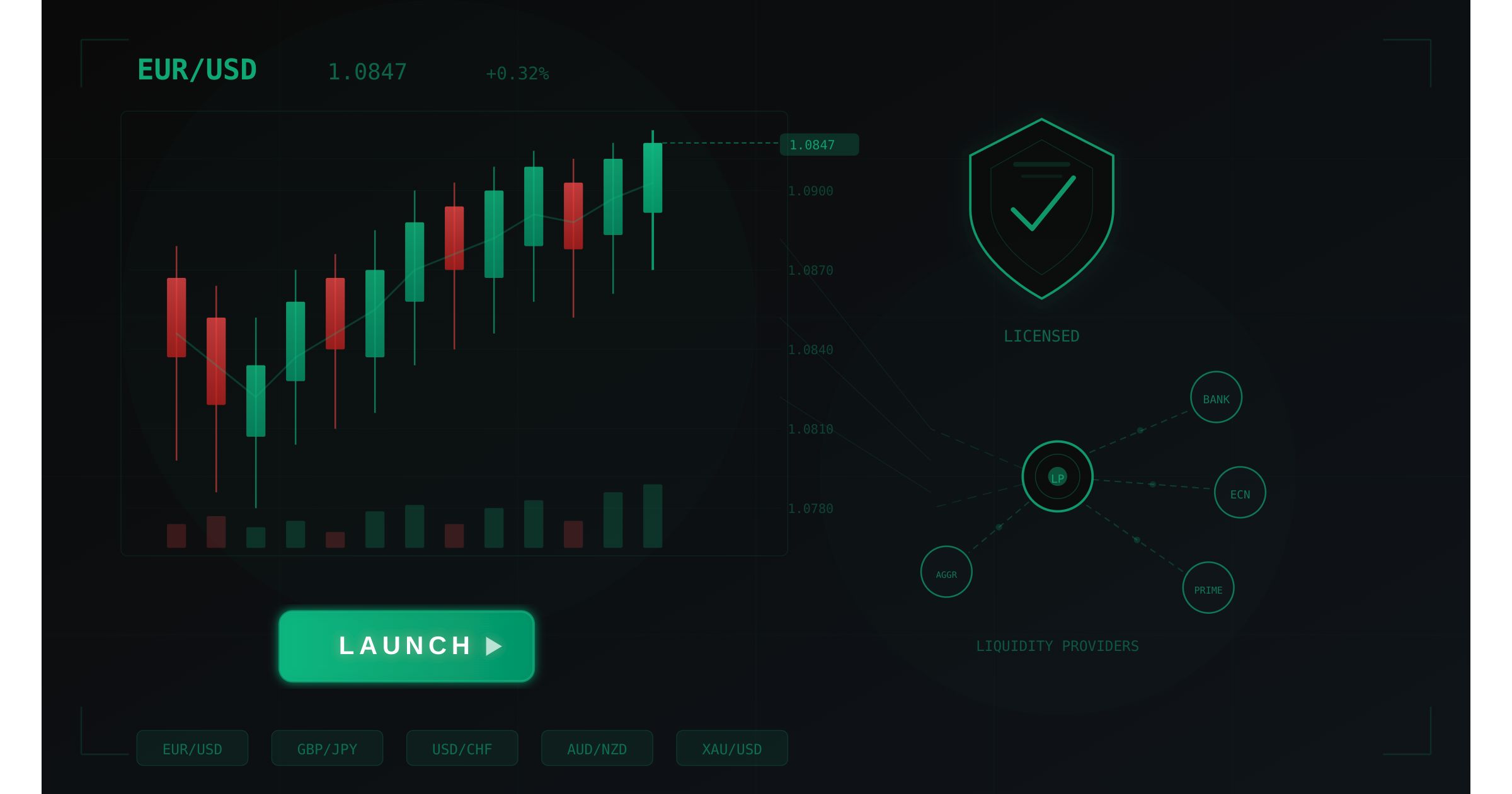
Step-by-step guide to launching a forex brokerage. Covers licensing requirements, technology stack, liquidity providers, risk management, and go-to-market strategy.
Complete guide to NFT marketplace business models. Learn how to generate revenue through trading fees, minting fees, premium listings, and launchpad services.
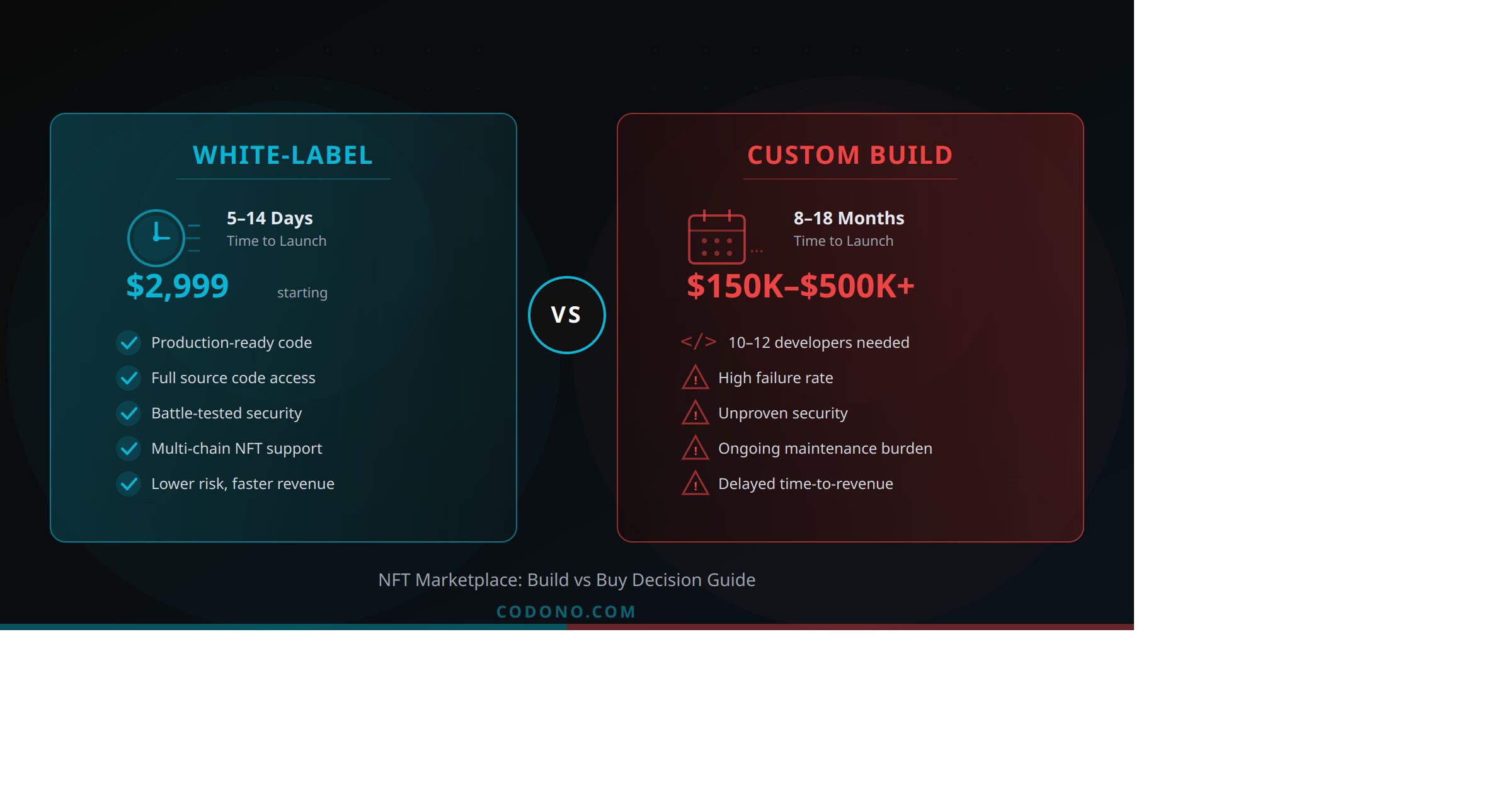
Compare white-label NFT marketplace platforms vs custom development. Cost analysis, timeline comparison, feature parity, and when each approach makes sense.
Insurance is the safety net most crypto exchanges skip until it's too late. Here's how to protect your users' funds, reduce your liability, and turn risk coverage into a competitive advantage.
A practical framework for exchange operators designing their native token. Covers utility models that drive real value, supply distribution that avoids death spirals, burn mechanics, staking integration, and the regulatory lines you cannot cross.
Branding is the difference between an exchange traders trust with their funds and one they abandon after a single visit. Learn the complete strategy for building a crypto exchange brand that converts skeptics into loyal users.
Trading competitions are the single most effective short-term growth lever for crypto exchanges. This tactical guide covers competition design, prize structures, anti-abuse rules, budget planning, and post-event retention strategies that turn one-time participants into loyal traders.
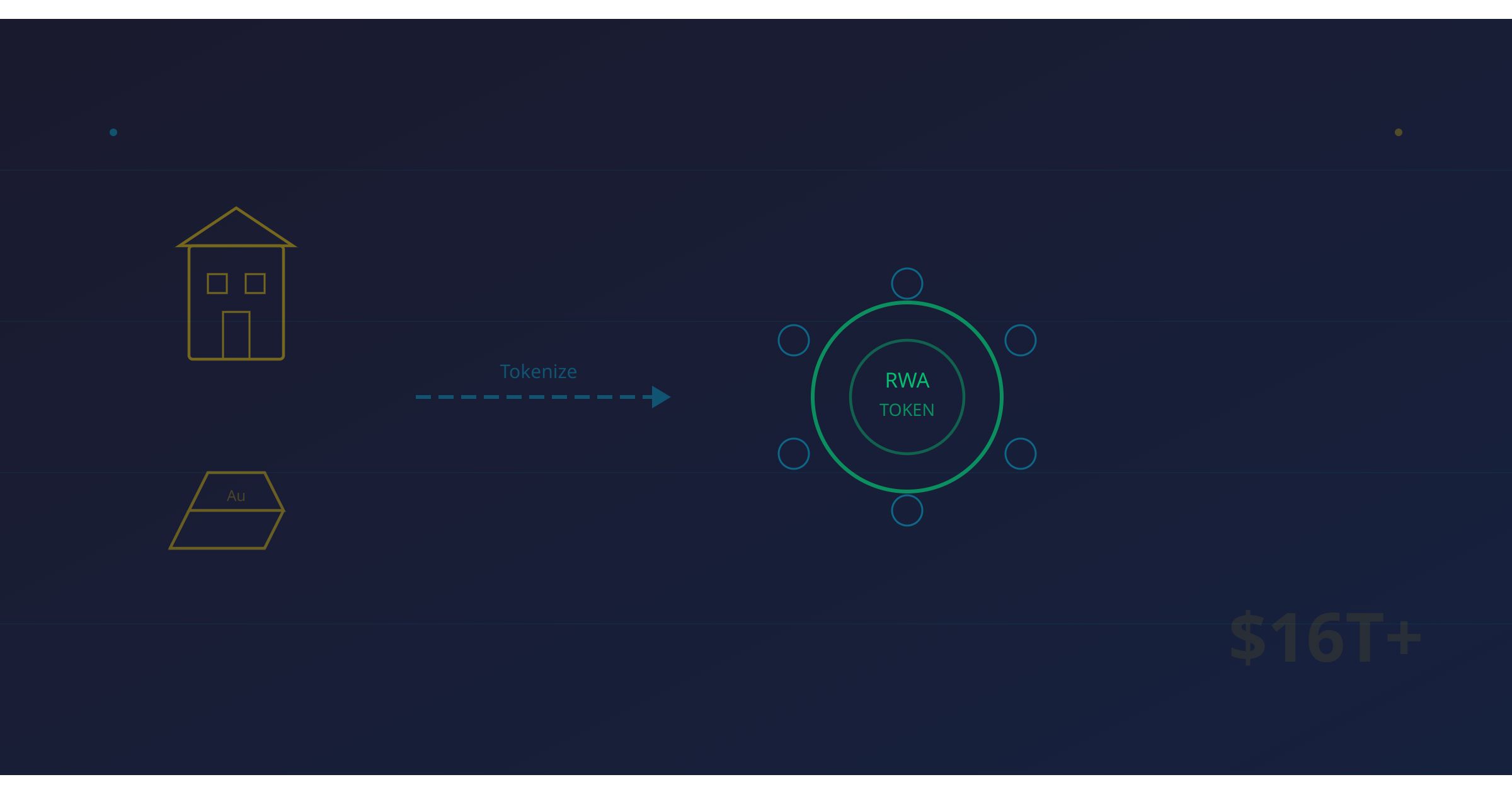
Tokenized real-world assets are the bridge between traditional finance and crypto. Exchanges that support RWA trading will unlock institutional capital, new revenue streams, and a $16T+ addressable market. Here's how to build for it.
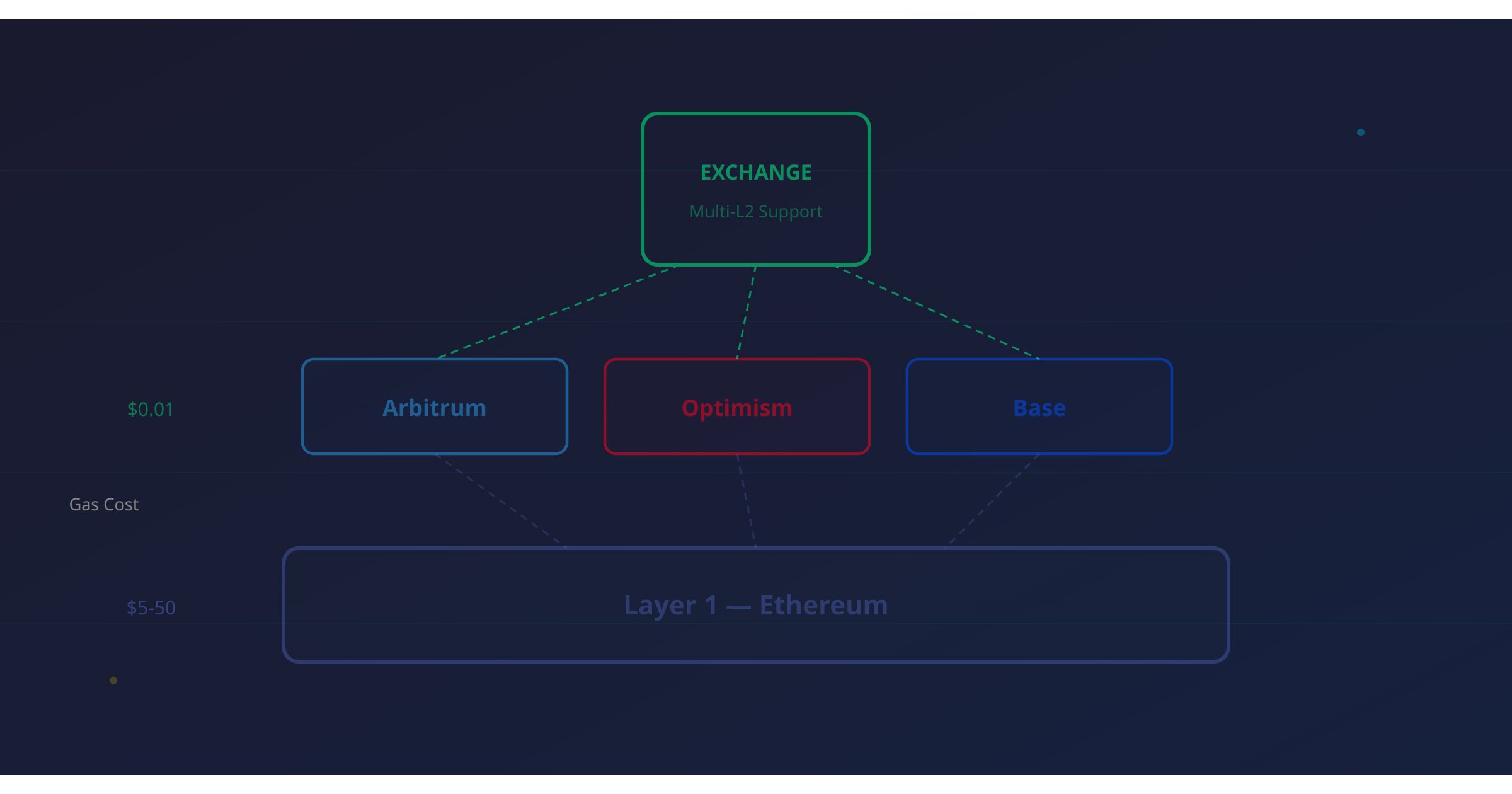
Ethereum gas fees have priced out retail users from L1 deposits and withdrawals. Layer 2 networks solve this, but integrating them into an exchange is not as simple as adding another chain. Here is a practical guide to L2 support that covers architecture decisions, security trade-offs, and implementation priority.
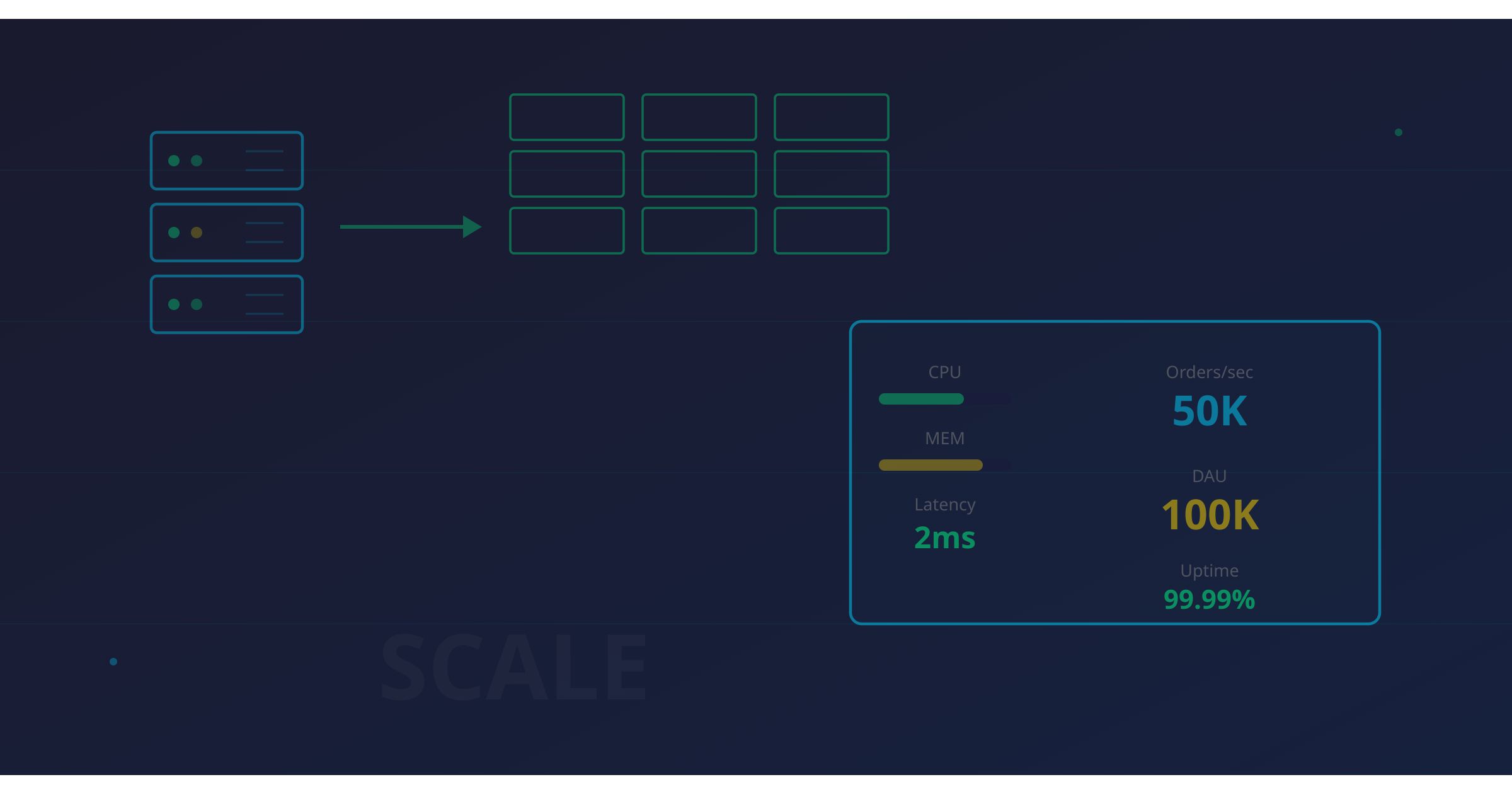
Most exchanges don't fail because of bad ideas. They fail because their infrastructure collapses under real trading load. Here's how to scale every layer of a crypto exchange, with real numbers and battle-tested strategies.
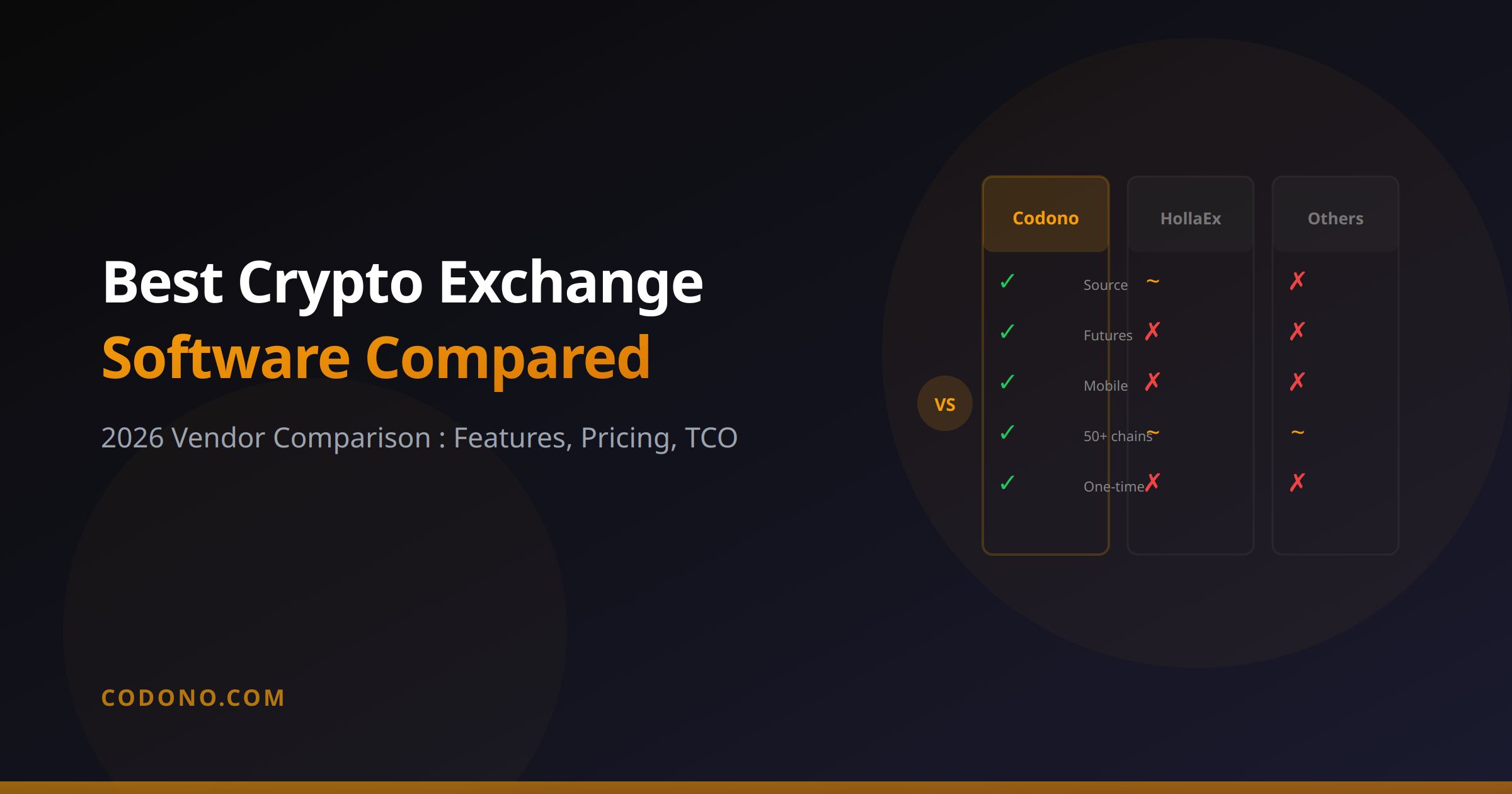
Choosing the wrong exchange software costs you 6-12 months and tens of thousands of dollars. This guide compares the four major crypto exchange software providers on the criteria that actually matter: source code access, pricing, blockchain support, compliance tools, and deployment speed.
Three out of four crypto trades now happen on a phone. If your exchange doesn't have a killer mobile app, you're leaving 75% of your potential users on the table.
Staking and earn products aren't optional anymore : they're what keep users on your platform instead of moving funds to DeFi. Here's how to implement them right.
MiCA is fully enforced across the EU. Here's exactly what crypto exchange operators need to do : capital requirements, CASP registration, stablecoin rules, and the timeline that matters.
You have built or bought your exchange software. It is live. The order book is empty. Now what? Here are the user acquisition strategies that actually work for new crypto exchanges -- from operators who have done it.
Before you commit to exchange software, you need to understand what's under the hood. Here's a breakdown of the technology stack behind modern crypto trading platforms and why each choice matters.
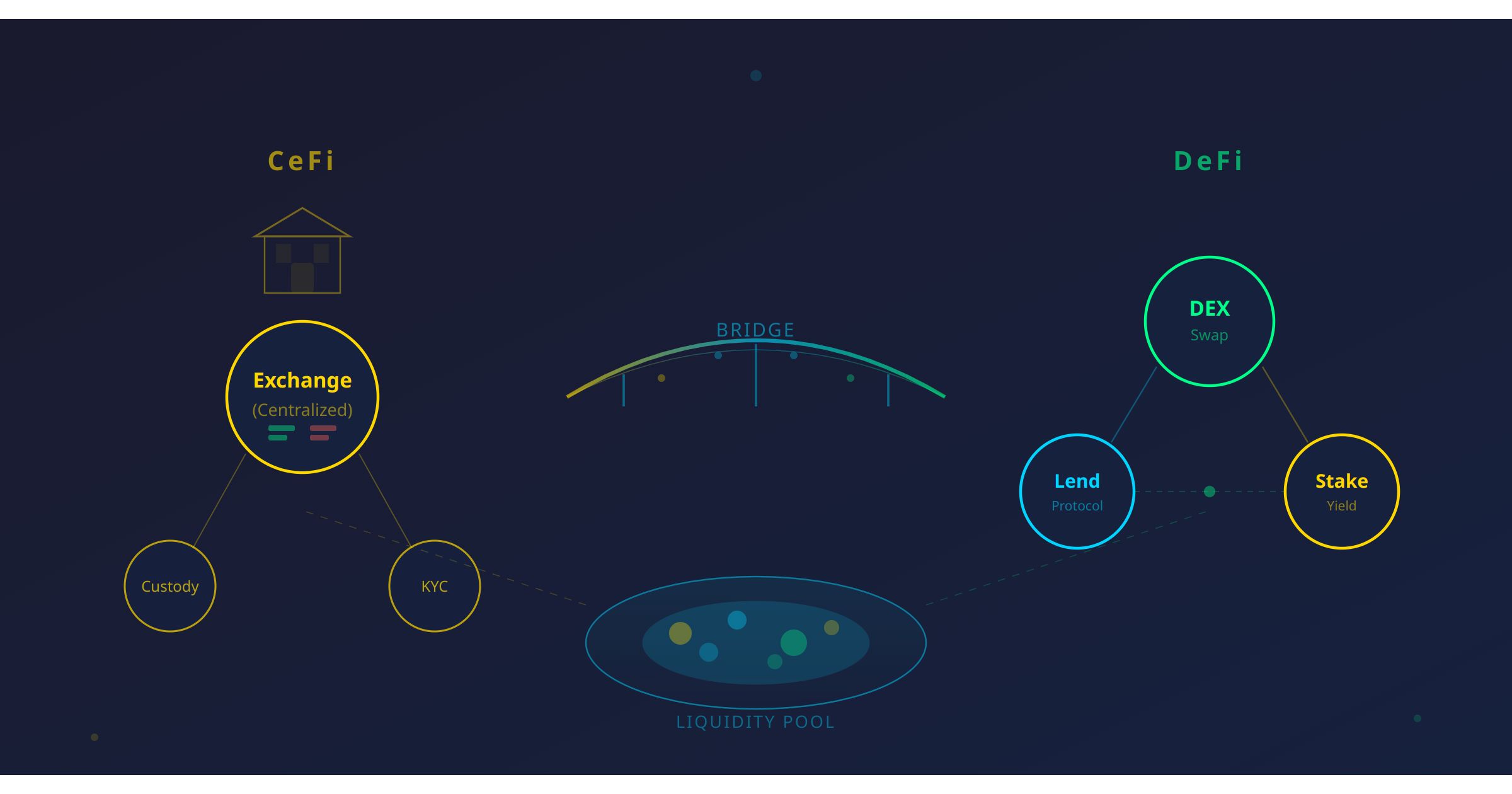
The CEX vs DEX war is over. The winners are the exchanges that combine centralized speed with decentralized transparency. Here's the complete playbook for DeFi integration.
The highest-growth exchange operators in 2026 are not choosing between crypto and forex. They are offering both. Here is the business case for building a multi-asset platform and the technical reality of making it work.
The difference between a 2% and 8% visitor-to-trader conversion rate isn't your fee structure or token selection. It's your UX. Here are the design patterns that actually move the needle.
Institutional money is flooding into crypto -- but only through exchanges that meet their rigorous standards. Miss one requirement and you're off the shortlist. Here's everything they demand.
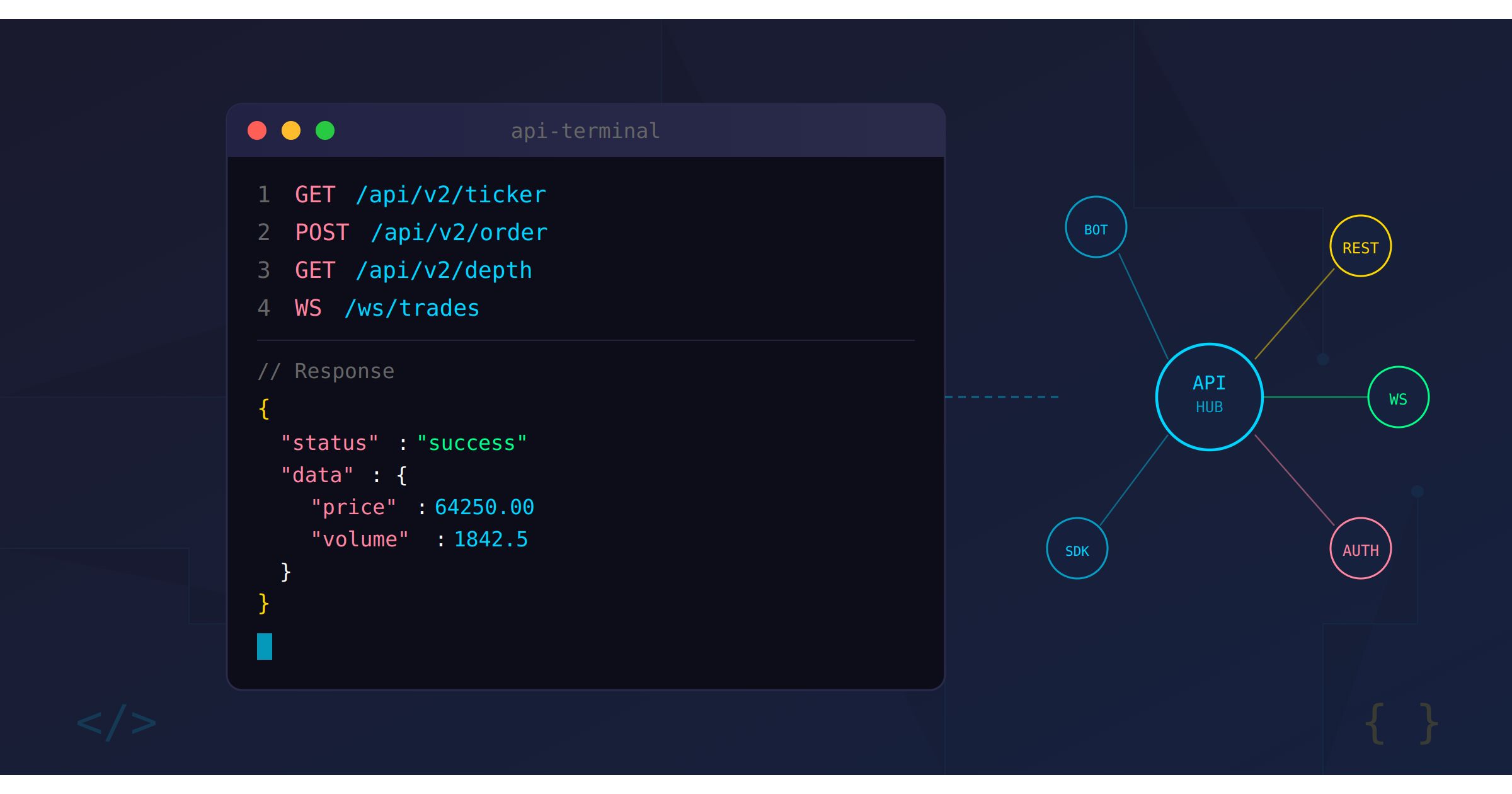
Algorithmic traders are the silent revenue engine of every successful exchange. They represent 5% of users but 60-80% of volume. Here's how to build API infrastructure that wins them over.
Happy Valentine's Day! In the spirit of lasting relationships, here are the 10 features that make users fall head-over-heels for a crypto exchange -- and never look back.
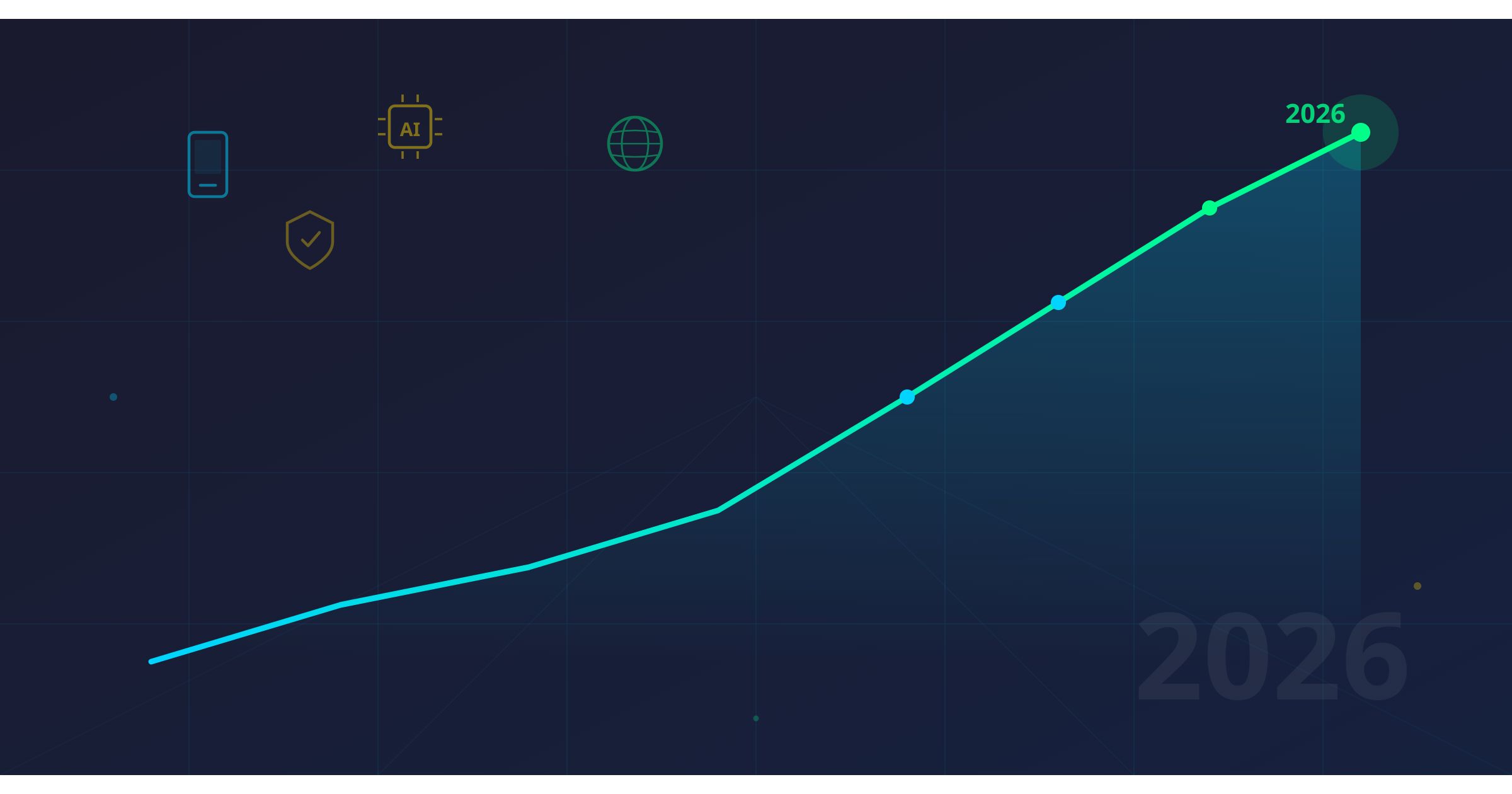
The exchange operators who see these trends coming will dominate. The ones who don't will join the 90% that fail. Here's what's actually happening in 2026.
A security-first review of what separates resilient crypto exchanges from the ones that lose customer funds. Written for founders, CTOs, and compliance teams evaluating exchange infrastructure.
P2P exchanges are the fastest-growing segment in crypto. Here's how to build one that traders actually want to use - from escrow mechanics to payment integration.
Compliance isn't optional anymore - but it doesn't have to be painful either. Here's what exchange operators actually need to know about KYC, AML, and the new regulations hitting in 2026.
Most exchange software comparison guides are written by vendors. This one isn't. Here's what actually matters when you're spending real money on exchange technology.
A no-BS guide to launching a crypto exchange - from licensing and tech to liquidity and marketing. Based on real experience helping 500+ exchanges launch.
We've watched hundreds of exchange operators make this decision. Here's what the numbers actually say about white-label vs custom-built crypto exchanges.
We've helped secure 500+ exchanges. Here's what separates the ones that survive hacks from the ones that make headlines for all the wrong reasons.
Empty order books kill more exchanges than security breaches. Here's how operators actually solve the liquidity cold-start problem.
The honest answer nobody gives you. We break down every cost - from licensing to development to the expenses that catch most founders off guard.
Licensing is where most exchange projects stall. We break down which jurisdictions actually make sense, what they cost, and the mistakes that get applications rejected.
The matching engine is the heart of any exchange. Here's how modern engines handle millions of orders, why latency matters, and what separates toy implementations from production systems.
Trading fees are just the beginning. The most profitable exchanges stack 5-7 revenue streams. Here's the complete playbook for exchange monetization.
You can't support every chain on day one. Here's how to prioritize blockchain integrations based on user demand, integration complexity, and revenue potential.
Every exchange we've helped launch follows this checklist. Skip any of these and you're asking for trouble. Organized by priority: must-have, should-have, and nice-to-have.
Security is the foundation of every successful cryptocurrency exchange. A single breach destroys user trust permanently. This guide covers the essential security measures every exchange operator must implement : from wallet architecture to infrastructure hardening.
The technical side of deploying a crypto exchange -- server provisioning, web stack configuration, wallet daemon integration, WebSocket setup, database tuning, and production hardening. For sysadmins and CTOs who need a deployment playbook.
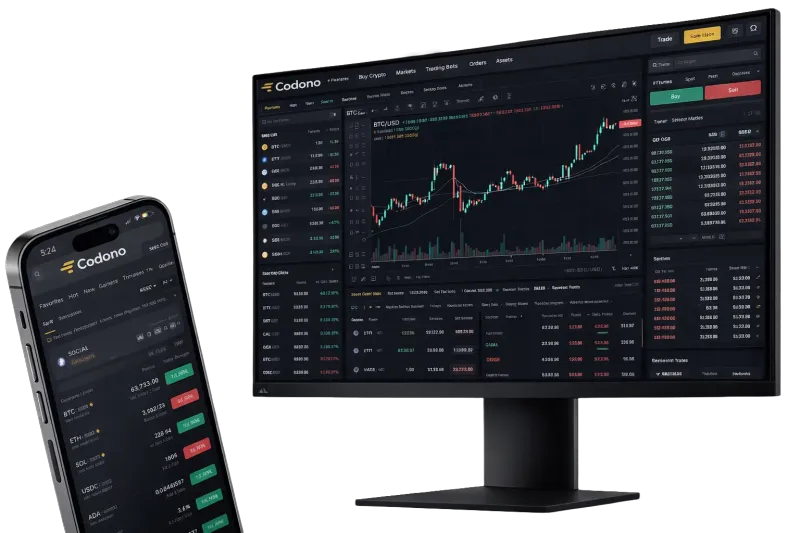
Get the complete crypto exchange software with spot trading, futures, P2P, and 15+ blockchain integrations. Deploy in under 2 weeks.