 Crypto Exchange Software
  White Label Crypto Exchange
  P2P Crypto Exchange
  Crypto Futures Trading
  Forex Trading Software
  Token Launchpad
  Margin Trading
  Liquidity Engine
  Crypto Wallet
  KYC & AML
  Exchange Security
  Crypto Staking Software
  Crypto Lending Software
  Crypto Earn Module
  Exchange Integrations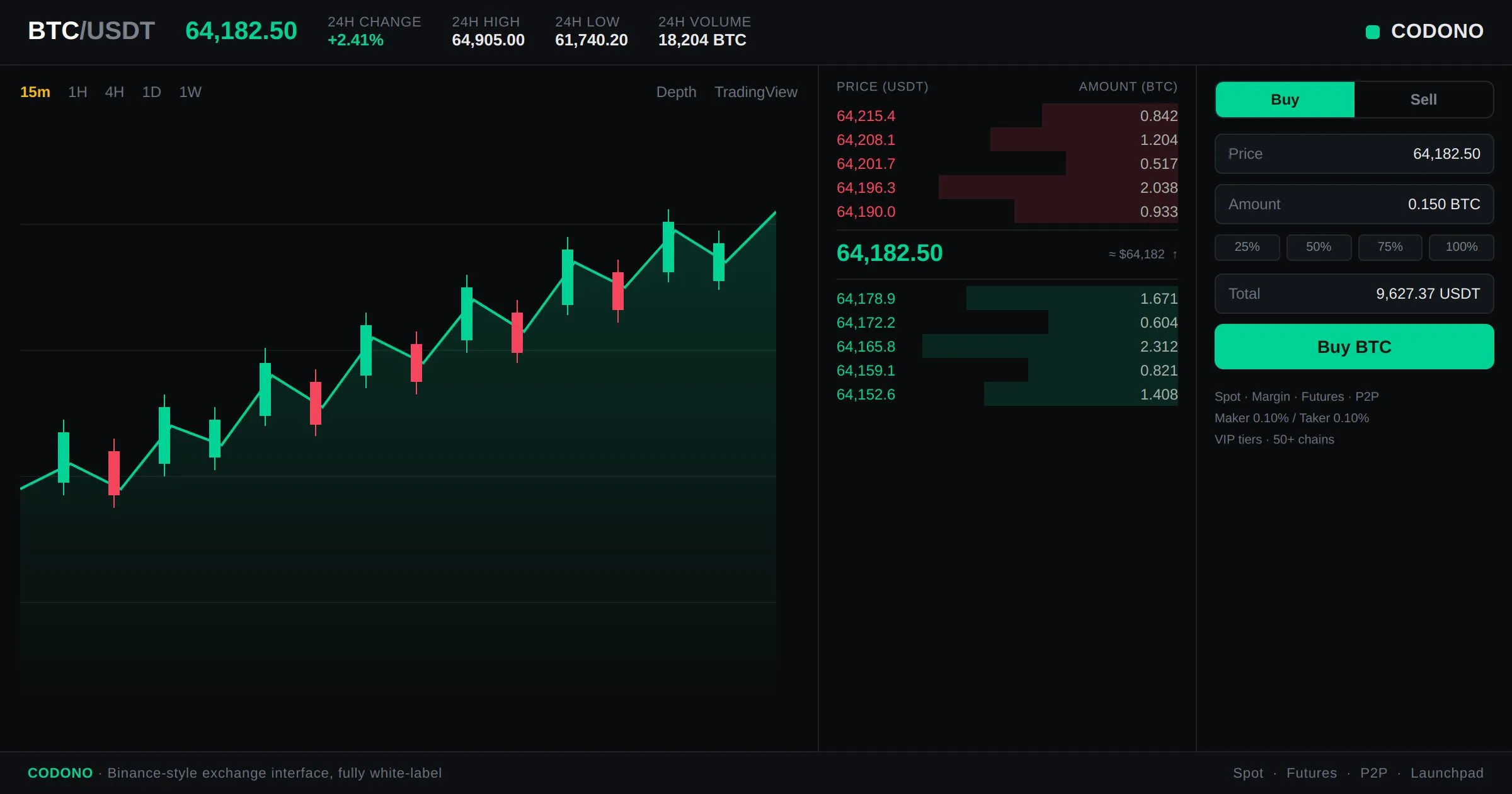
What is a Binance Clone Script?
A Binance clone script is enterprise-grade cryptocurrency exchange software that replicates the complete feature set of Binance - the world’s largest crypto exchange by trading volume. Rather than spending years and millions of dollars building an exchange from scratch, you can launch a fully-functional trading platform in weeks.
Our Binance clone isn’t a basic template. It’s a production-ready exchange platform that includes every major feature Binance offers: spot trading, margin trading, perpetual futures, P2P marketplace, staking products, launchpad for token sales, and cross-platform mobile applications.
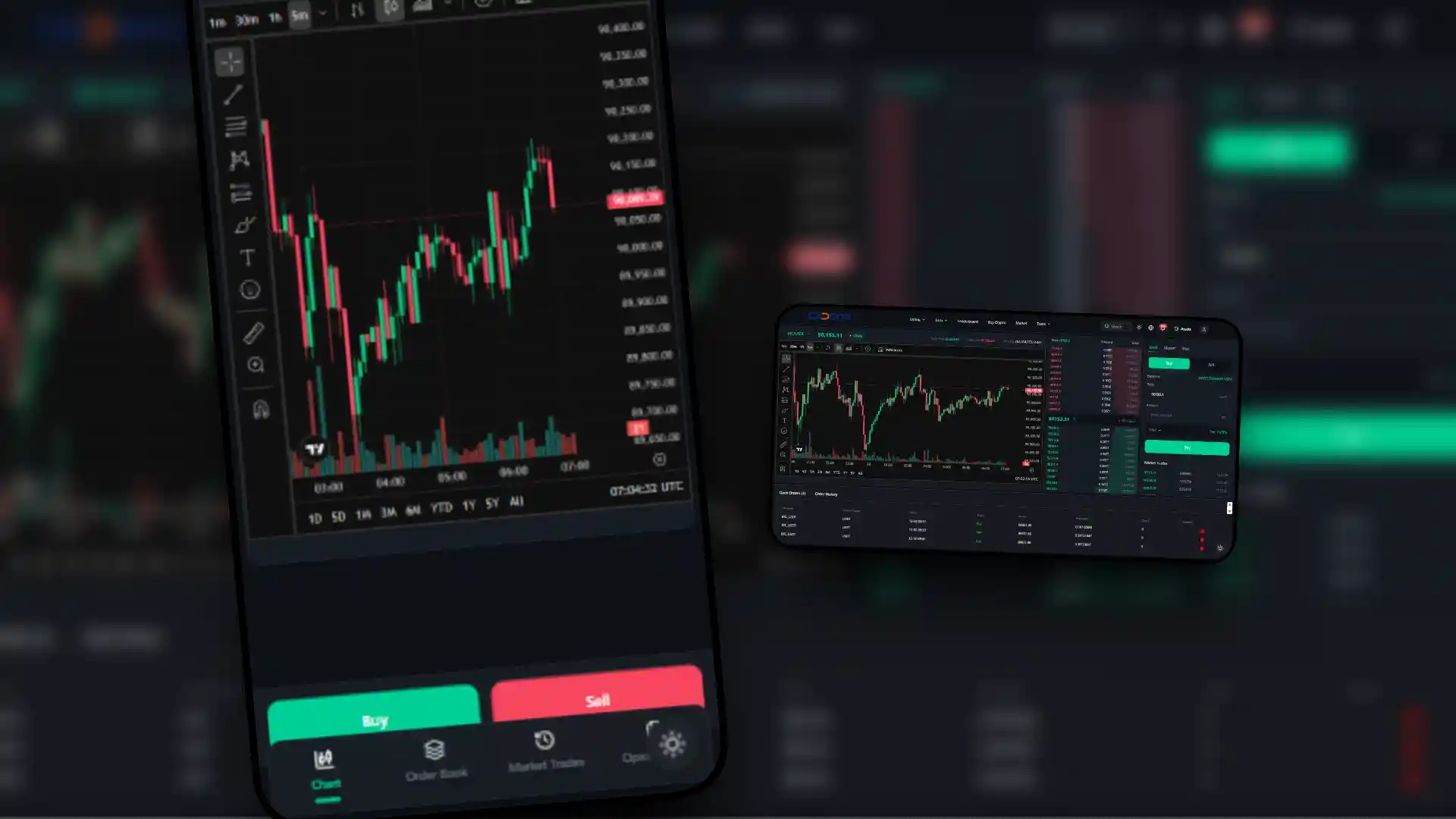
Complete Feature Comparison with Binance
Trading Features
| Feature | Binance | Our Clone Script |
|---|---|---|
| Spot Trading | ✓ | ✓ |
| Margin Trading | ✓ Up to 10x | ✓ Up to 10x |
| Perpetual Futures | ✓ Up to 125x | ✓ Up to 100x |
| Options Trading | ✓ | Coming Soon |
| P2P Trading | ✓ | ✓ |
| OTC Trading | ✓ | ✓ |
| Copy Trading | ✓ | ✓ |
| Convert/Swap | ✓ | ✓ |
Order Types Supported
- Market Orders - Instant execution at current market price
- Limit Orders - Execute at specified price or better
- Stop-Limit Orders - Triggered limit orders
- Stop-Market Orders - Triggered market orders
- Trailing Stop Orders - Dynamic stop-loss that follows price
- OCO Orders - One-cancels-the-other paired orders
- Post-Only Orders - Maker-only limit orders
- Fill-or-Kill - Complete execution or cancel
- Immediate-or-Cancel - Partial fills allowed, remainder cancelled
Core Modules Included
1. Spot Trading Engine
The heart of any exchange. Our matching engine processes thousands of orders per second with sub-millisecond latency.
Key capabilities:
- Real-time order book updates via WebSocket
- TradingView advanced charting integration
- Multi-currency support (500+ coins ready)
- Customizable trading pairs and fees
- Market maker rebates and VIP tiers
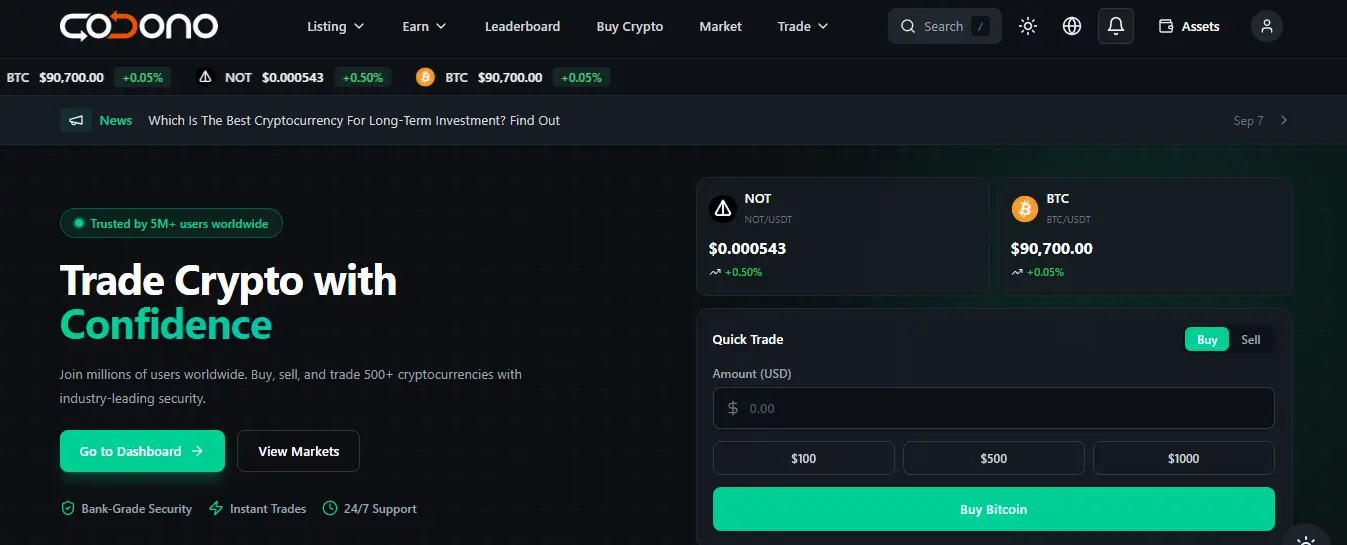
2. Margin Trading Module
Let your users amplify their positions with borrowed funds, generating additional revenue through interest.
Features:
- Isolated and cross-margin modes
- Up to 10x leverage on major pairs
- Automatic liquidation engine
- Interest rate configuration
- Risk management dashboard
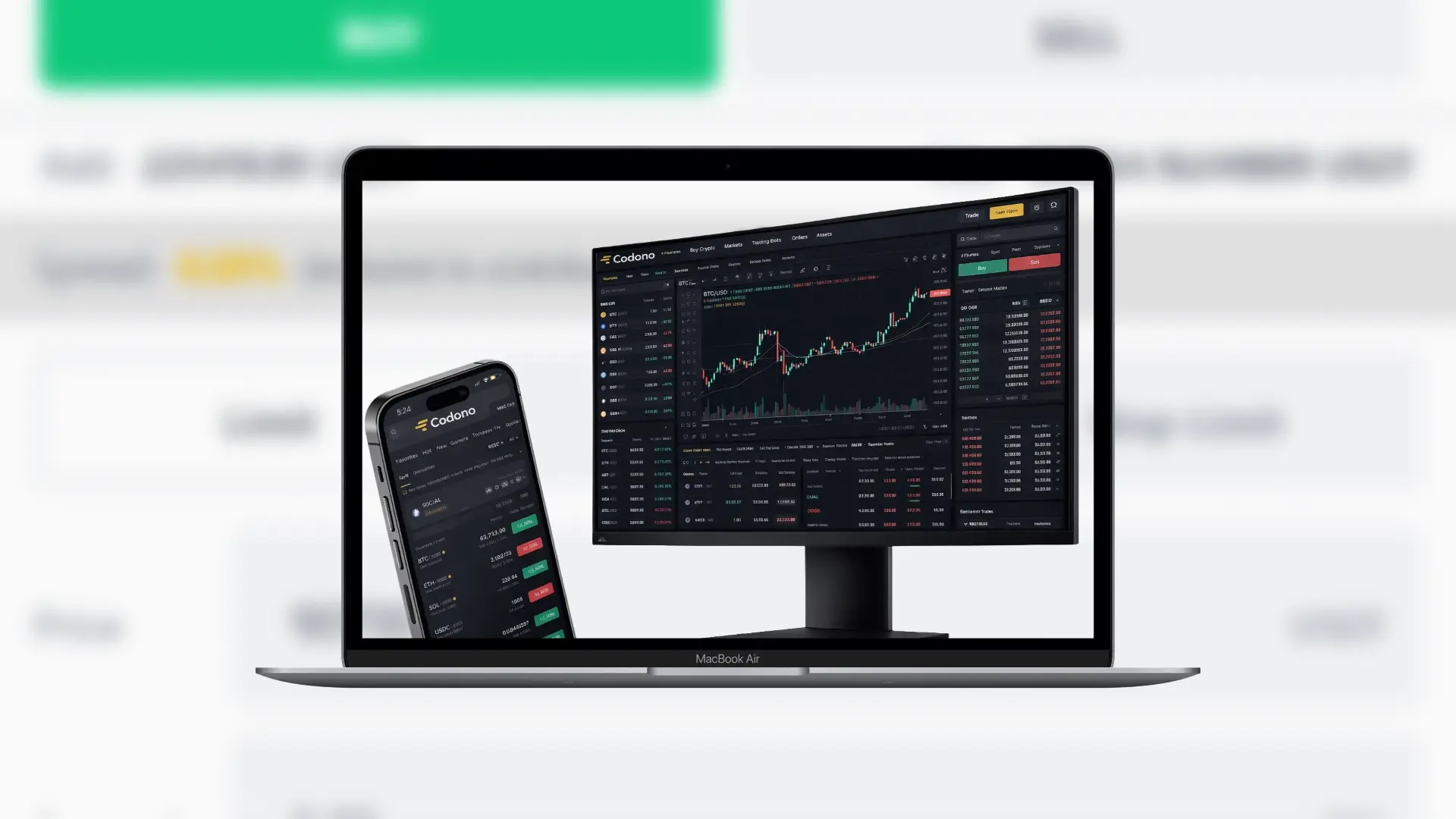
3. Perpetual Futures Trading
The most profitable module for exchanges. Futures trading generates significantly higher fees than spot.
Specifications:
- Up to 100x leverage
- Funding rate mechanism
- Mark price and index price system
- Insurance fund for socialized losses
- ADL (Auto-Deleveraging) system
- Position and order management
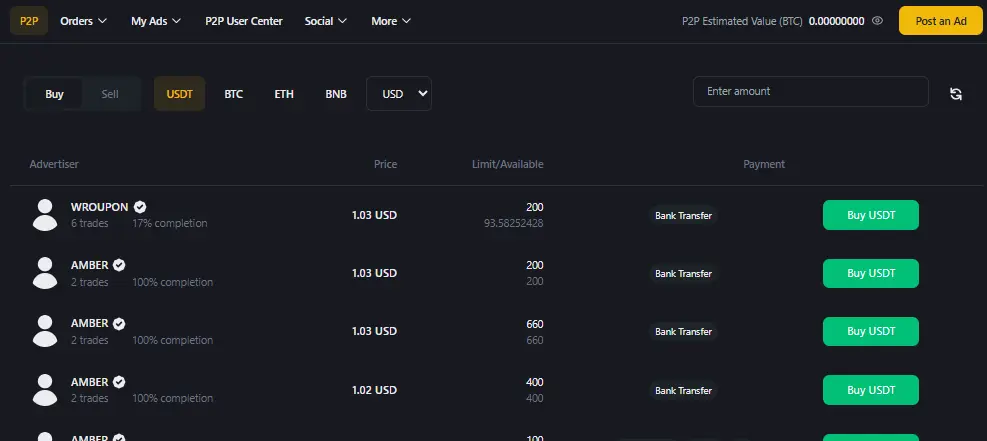
4. P2P Trading Marketplace
Enable direct user-to-user trading with fiat currencies - essential for regions without traditional banking access.
P2P Features:
- Escrow protection on all trades
- 100+ payment method support
- Merchant verification system
- Dispute resolution tools
- Chat system with evidence upload
- Reputation and feedback system
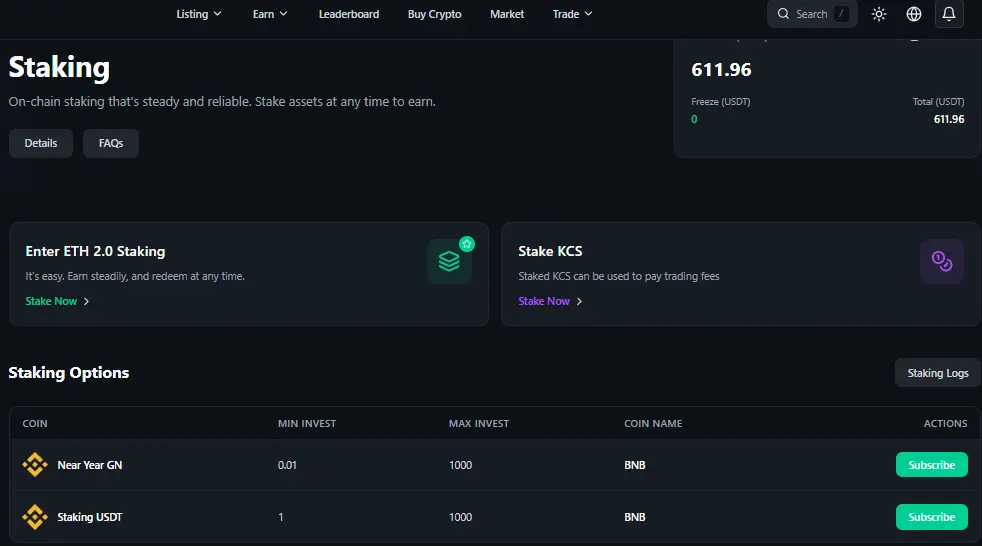
5. Staking & Earn Products
Passive income features keep users engaged and funds on your platform.
Products included:
- Flexible staking (withdraw anytime)
- Locked staking (higher APY)
- DeFi staking aggregation
- Savings accounts
- Liquidity mining
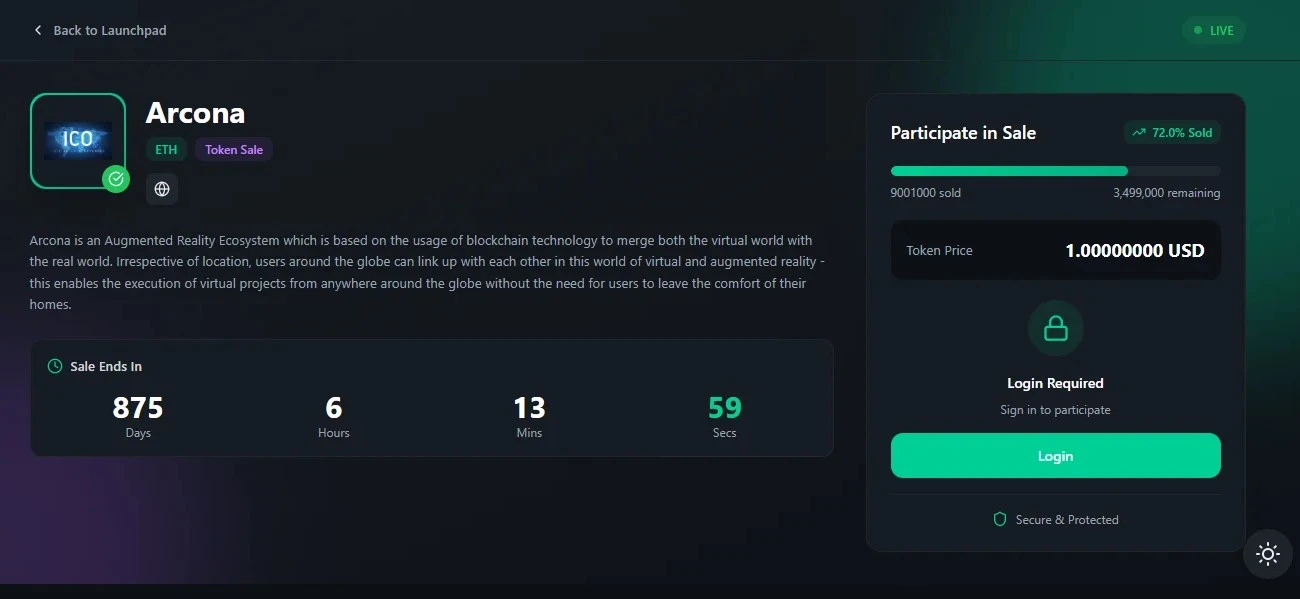
6. Launchpad / IEO Platform
Token launch platform that generates listing fees and drives user acquisition.
Launchpad features:
- Project submission and vetting
- Token sale management
- Allocation based on holdings
- Lottery and first-come systems
- Vesting schedule support
7. Cross-Platform Mobile Applications
iOS and Android apps that match Binance’s mobile experience.
Mobile features:
- Full trading functionality
- Biometric authentication
- Push notifications
- Price alerts
- Portfolio tracking
- P2P trading support
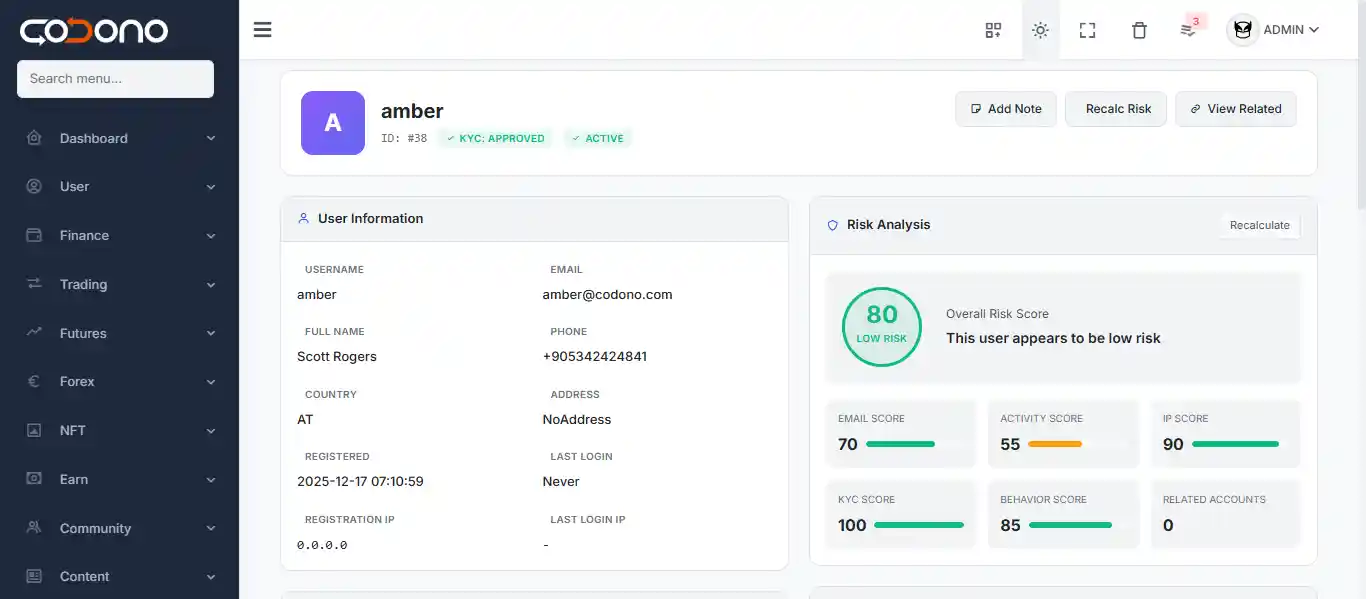
Admin Dashboard & Controls
Complete back-office tools to manage every aspect of your exchange.
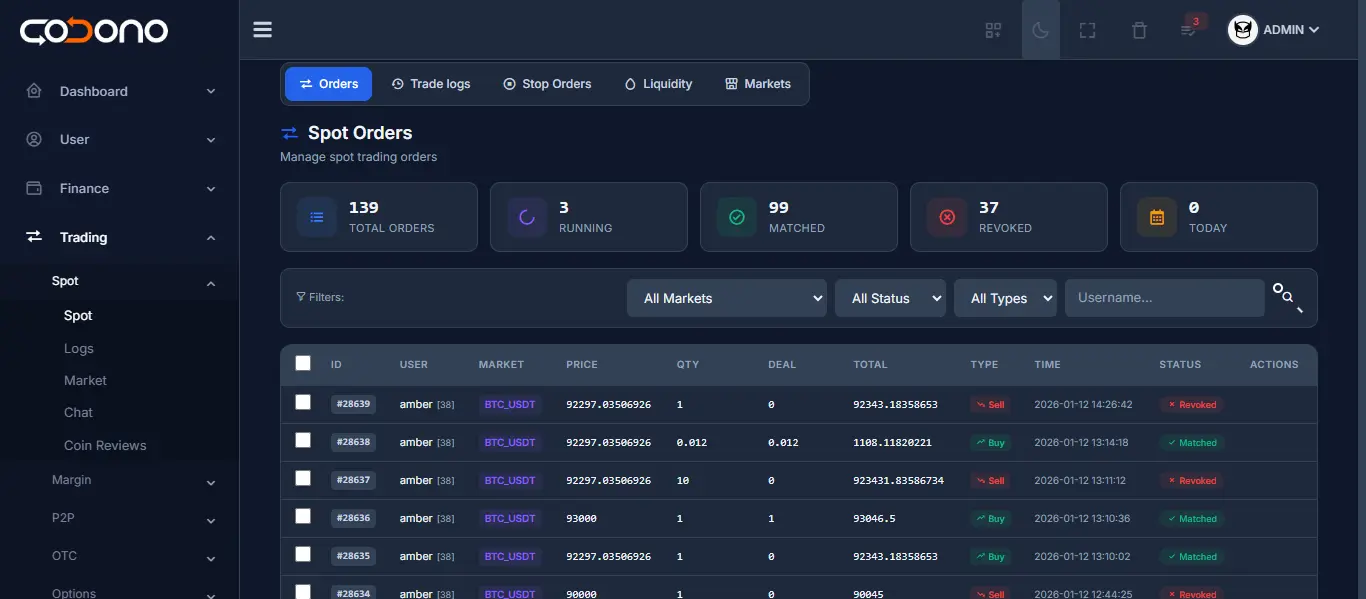
User Management
- KYC verification workflow
- Account status controls
- Trading limits by verification level
- Withdrawal approval queues
- User activity monitoring
Financial Controls
- Hot/cold wallet management
- Deposit and withdrawal processing
- Fee configuration by pair and tier
- Revenue and commission reports
- Reconciliation tools
Risk Management
- Real-time position monitoring
- Liquidation controls
- Suspicious activity detection
- IP and device tracking
- Rate limiting configuration
Security Architecture
Platform Security
- DDoS Protection - Enterprise-grade traffic filtering
- WAF - Web Application Firewall rules
- Rate Limiting - API and UI request controls
- SQL Injection Prevention - Parameterized queries throughout
- XSS Protection - Output encoding and CSP headers
User Security
- 2FA - Google Authenticator and SMS
- Anti-Phishing Code - Personalized email verification
- Withdrawal Whitelist - Address allowlisting
- Session Management - Device tracking and logout
- Login Notifications - Email/SMS alerts
Wallet Security
- Cold Storage - Majority of funds offline
- Multi-Signature - Required for withdrawals
- Encryption - AES-256 for sensitive data
- Audit Logging - Complete transaction trail
Technical Specifications
Backend Stack
- API Services: Java (Spring) microservices with a Node.js matching engine
- Database: MySQL with a double-entry ledger
- Cache: Redis for sessions, locks, and real-time data
- Events: Kafka for async processing between services
- WebSocket: Real-time market data delivery
Frontend Stack
- Web App: Next.js (React) with TypeScript
- Charts: TradingView Advanced Charts
- Styling: Tailwind CSS
- State: Pinia store management
Mobile Stack
- Framework: Ionic (cross-platform)
- Platforms: iOS + Android from a single codebase
- Delivery: Full app source included — brand it and publish to the App Store & Google Play
Infrastructure Requirements
- Minimum: 8GB RAM, 4 cores, 100GB SSD
- Recommended: 32GB RAM, 8 cores, 500GB NVMe
- Production: Load-balanced multi-server setup
Revenue Model for Exchange Operators
Primary Revenue Streams
- Spot Trading Fees - 0.1% maker/taker typical
- Futures Trading Fees - 0.02% maker, 0.05% taker typical
- Margin Interest - Daily interest on borrowed funds
- Withdrawal Fees - Network fee markup
- Listing Fees - New token listings
- Launchpad Fees - IEO project commissions
Additional Revenue
- VIP Subscriptions - Premium features
- API Access - High-frequency trader packages
- Advertising - Platform promotions
- Merchant Services - P2P merchant fees
How This Binance Clone Differs from Generic Clone Scripts
The term “Binance clone” gets misused across the industry. Most products labeled as Binance clones are basic trading interfaces with a login page — they replicate the look but not the operational depth. Here’s what separates a production Binance clone from a template:
Matching engine architecture: Generic clones use simple database polling to match orders — workable for 10 users, catastrophic under load. Codono’s engine uses price-time priority with in-memory order books, processing thousands of orders per second with deterministic execution. During a market crash when order volume spikes 50x, the engine doesn’t slow down — it maintains the same sub-5ms latency.
Wallet infrastructure at scale: Managing user wallets across 50+ blockchains requires sophisticated deposit detection, withdrawal queuing, hot/cold rebalancing, and multi-signature security. Generic clones often support 3-5 chains with manual wallet management. Codono’s multi-chain wallet system handles automated sweeping, configurable hot/cold thresholds, and real-time balance reconciliation across every supported network.
Compliance that passes audits: When VARA in Dubai or MAS in Singapore audits your exchange, they examine your KYC pipeline, transaction monitoring, suspicious activity reporting, and audit trails in detail. A template with a basic email verification form won’t pass. Codono includes production KYC/AML with integrated identity verification providers, tiered verification levels, automated monitoring, and complete audit logging.
Derivatives that actually work: Adding “futures trading” to a feature list is easy. Building a perpetual futures engine with mark price oracles, liquidation cascades, insurance funds, and auto-deleveraging that doesn’t bankrupt your exchange during volatile markets — that requires years of production testing. Codono’s futures module has been verified through real deployments processing millions in daily derivatives volume.
What Makes a Binance Clone Actually Feel Like Binance
Most “Binance clones” fail the sniff test the moment a trader opens them. The module list matches, but the trading experience is subtly wrong — latency hiccups, order types missing at depth, a futures engine that can’t handle a liquidation cascade, mobile apps that feel like retrofitted web views. Here’s what Codono’s clone gets right specifically because the target is Binance, not “any exchange”:
Binance’s Order Types — All of Them
Binance’s depth comes from professional traders who expect TWAP, iceberg, post-only, trailing stop, OCO, and hidden orders — not just market and limit. Clones that skip these lose pro users to Bybit and OKX within weeks. Codono’s matching engine implements the full Binance order type matrix with the same semantics (IOC, FOK, GTC, GTX), so routing a trade through our engine feels identical to routing it through Binance’s.
The Binance Tier & Fee Structure
Binance’s VIP 0 through VIP 9 tier system — with separate maker/taker rates, 30-day volume calculations, BNB discount application order, and referral rebates — is one of its most replicated features. Ours is configurable end-to-end: operators set the thresholds, the discount percentages, the rebate stack order, and whether your native token grants additional discounts (the BNB pattern). You can launch with Binance’s exact fee schedule and adjust from there.
Launchpad with the Binance Mechanic
The “lock your native token, get pro-rata allocation of new listings” mechanic made BNB valuable in a way few other exchange tokens replicate. Our launchpad module supports the same holding-period snapshot + lottery + subscription allocation models, so your native token can drive the same listing flywheel.
P2P That Matches Binance P2P’s UX
Binance P2P dominates emerging markets because the merchant verification, escrow, chat evidence, and dispute resolution flow is battle-tested. Our P2P module mirrors that flow — 100+ payment methods, merchant tiers, ad posting, automated escrow release on payment confirmation — so users arriving from Binance P2P don’t have to learn a new interface.
Futures with Binance-Grade Risk Controls
Binance Futures didn’t lose user funds during the 2020, 2021, and 2022 volatility spikes because the risk engine — insurance fund, ADL ranking, mark price aggregation, partial liquidation — was built to survive cascade events. Our perpetual futures engine implements those same primitives with the same defaults. You get a derivatives product that doesn’t bankrupt the house on the first major liquidation event.
Is a Binance Clone Legal? The Honest Answer
This is the question every operator asks first, and it deserves a real answer rather than a glib “yes.” The distinction that matters is between functionality and intellectual property.
What is legal — and what a clone script actually is. Trading concepts are not protectable. An order book, spot and futures markets, a P2P marketplace, a staking product, a maker/taker fee schedule — these are functional mechanics used across every exchange, not Binance inventions. Building software that offers the same features is exactly as legal as opening a coffee shop because Starbucks exists. A “Binance clone” in the legitimate sense means a platform with comparable functionality — which is what you are licensing here.
What is not legal — and where operators get into trouble. You cannot copy Binance’s actual source code (you are not — this is Codono’s independently built codebase). You cannot use the Binance name, logo, or brand on your exchange — “Binance” and its marks are registered trademarks, and using them implies an affiliation that doesn’t exist. You cannot copy Binance’s copyrighted visual assets pixel-for-pixel. The clone is the capability; the brand must be entirely your own.
The practical rules for staying clean:
- Launch under your own brand, domain, and logo — never “[YourName] powered by Binance” or anything implying endorsement.
- Don’t reproduce Binance’s exact color scheme, copywriting, or trademarked UI elements. Codono ships a Binance-grade interface you fully customize , not a pixel copy.
- The word “Binance clone” is fine as an internal/technical description of what you’re building; it should not appear in your public branding.
- Licensing is the real legal work. In most jurisdictions the thing that makes your exchange legal isn’t the software — it’s holding the right operating license (MSB, VASP, VARA, MAS, MiCA) and running the compliance program underneath it. That is covered next, and in the crypto exchange license guide .
In short: replicating what Binance does is legal; impersonating who Binance is is not. Codono gives you the first and deliberately excludes the second — the platform ships unbranded so your identity is entirely yours from day one.
Regulatory Compliance Ready
A Binance clone isn’t just about matching features — it’s about meeting the compliance standards that regulators expect from any exchange handling real user funds. Codono’s Binance clone includes:
KYC/AML Integration: Pre-built integration with Sumsub and Shufti Pro for automated identity verification. Configure tiered KYC levels — basic verification for small withdrawals, full document verification for higher limits, enhanced due diligence for institutional accounts.
Jurisdiction-Specific Compliance: Map your KYC tiers to regulatory requirements in your target market. Whether you’re applying for a VARA license in Dubai, MAS license in Singapore, or operating under MiCA in Europe, the compliance framework adapts to your jurisdiction’s specific requirements.
Transaction Monitoring: Real-time suspicious activity detection, withdrawal pattern analysis, and automated flagging of high-risk transactions. Generate compliance reports that auditors and regulators expect to see during examinations.
Audit Trail: Every user action, admin decision, and system event is logged with timestamps. Complete audit trails for trade execution, fund movements, KYC decisions, and configuration changes — exactly what regulators ask for during inspections.
Customization Beyond Branding
Full source-code access means you can modify every aspect of the platform, not just the logo and colors. Common customizations our operators implement:
- Local payment integration — Add bank transfer methods, mobile money (M-Pesa, GCash), or local payment processors specific to your market
- Custom trading pairs — List any token, create custom markets, add forex pairs via the forex module
- Fee structures — Implement tiered maker/taker fees, VIP programs, volume-based discounts, or referral fee sharing
- UI localization — Beyond language translation, adapt the interface for cultural preferences (RTL support for Arabic markets, local number formatting)
- Proprietary features — Build unique features your team envisions — copy trading, social feeds, AI-powered alerts, or custom analytics dashboards
Where This Page Sits in the Codono Catalog
A Binance clone is a specific product positioning: “I want to build the features Binance has, with Binance’s UX, targeting Binance’s kind of users.” It’s the full-suite option in our crypto exchange clone script family — if your strategy is narrower, a different model may fit better: the KuCoin clone leads with altcoin listings and built-in trading bots, and the Bybit clone leads with perpetual futures and copy trading, all on the same engine. If your requirement is broader — for example, you want a branded exchange but don’t specifically care about matching Binance’s feature set — the white-label crypto exchange page covers that case with more flexibility on module selection and branding depth. If you want to deploy on your own servers with full data sovereignty, the self-hosted crypto exchange page covers the infrastructure side. This page stays focused on Binance-parity positioning — the feature-by-feature comparison above is the decision tool.
Getting Started
Ready to launch your Binance-level exchange? Here’s the process:
- Consultation — Discuss your target market, regulatory requirements, and feature priorities
- License Selection — Choose from our pricing plans based on your module requirements
- Customization — Branding, payment integrations, fee configuration, and locale setup
- Deployment — Server provisioning, software installation, blockchain node connections, and SSL setup (14-21 days)
- Testing — Full QA across trading flows, wallet operations, KYC pipeline, and admin functions
- Launch — Go live with 12 months of technical support and platform updates
Contact us for a personalized consultation, or explore the live demo to see every feature in action before making a decision.