 Crypto Exchange Software
  White Label Crypto Exchange
  P2P Crypto Exchange
  Crypto Futures Trading
  Forex Trading Software
  Token Launchpad
  Margin Trading
  Liquidity Engine
  Crypto Wallet
  KYC & AML
  Exchange Security
  Crypto Staking Software
  Crypto Lending Software
  Crypto Earn Module
  Exchange Integrations
 Table of Contents
- Why Choose a Production Crypto Exchange Script
- Build vs. License: Crypto Exchange Script Economics
- Crypto Exchange Script Trading Modules
- Margin Trading in the Crypto Exchange Script
- Futures Trading Module
- P2P Trading Marketplace
- Multi-Chain Wallet Infrastructure
- Admin Dashboard and Operations Center
- Mobile Trading Applications
- Liquidity Architecture for New Exchanges
- Crypto Exchange Script Revenue Model
- Security Architecture
- Technical Architecture and API Infrastructure
- Integration Ecosystem
- Crypto Exchange Script Deployment Process
- Who Should Use This Crypto Exchange Script
- Next Steps: Evaluate the Crypto Exchange Script
Why Choose a Production Crypto Exchange Script
A production crypto exchange script gives your engineering team a complete, auditable codebase instead of a black-box SaaS — full source for the matching engine, wallets, KYC pipeline, and admin — Java microservices, a Node.js engine, and a Next.js frontend — with documented APIs.
This page is written for the developer, CTO, or technical founder making the actual build-vs-buy decision. If you’re an operator looking for a turnkey, managed solution, the Codono Crypto Exchange platform for licensed operators is a better starting point — it covers compliance, liquidity, and operations as a packaged business.
For everyone else — engineering teams who want full source-code access, self-hosted on their own infrastructure, fork modules to fit their architecture, and ship without waiting on a vendor’s roadmap — this is the script you actually audit before deploying.
The script powers regulated cryptocurrency exchanges across 30+ jurisdictions. Not a prototype. Not a demo project. The codebase reflects what survives institutional security review, what passes regulator audits, and what holds up when markets move 20% in an hour.
The platform currently processes trading volume for licensed operators across Europe, Southeast Asia, the Middle East, Latin America, and Africa. These are regulated entities answering to financial authorities, institutional liquidity providers, and banking partners. Their requirements shaped the software — not feature checklists, but operational reliability under conditions that reveal whether infrastructure is production-grade or demonstration-ready.
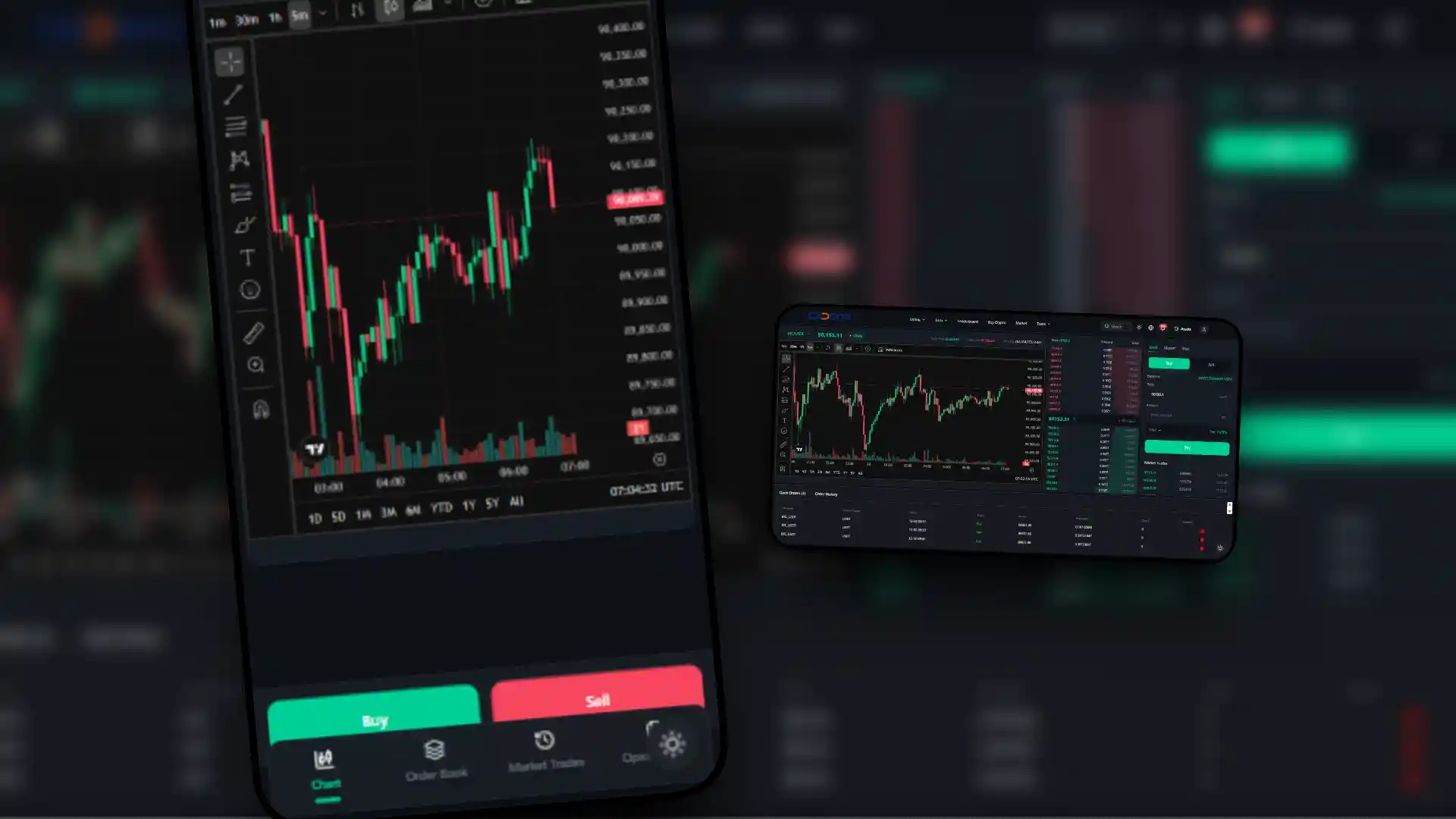
What follows is direct information for operators conducting due diligence on exchange infrastructure investment. If you are comparing crypto exchange scripts, this page provides the technical depth needed to evaluate whether this platform meets your operational requirements.
Build vs. License: Crypto Exchange Script Economics
Licensing a crypto exchange script costs $1,899-$12,500 and launches in 14-21 days. Custom development requires $800,000-$2,500,000 and 18-30 months.
Every exchange operator faces this calculation. The variables are clearer than most vendors acknowledge.
Custom Development Economics
Building institutional-grade cryptocurrency exchange infrastructure from foundation requires:
- Engineering team of 12-20 specialists across trading systems, blockchain integration, security, mobile, and compliance
- Development timeline of 18-30 months from concept to production deployment
- Capital allocation of $800,000-$2,500,000 depending on market and compensation structures
- Additional 12+ months of production hardening as real trading volume reveals edge cases
- Ongoing development costs as regulatory requirements and market standards evolve
Custom development makes economic sense for exchanges targeting $1B+ daily volume with highly differentiated positioning. For regional operators, emerging market entrants, and institutional verticals, the math rarely justifies it.
Production Crypto Exchange Script Licensing
Licensing a proven crypto exchange script compresses the equation:
- Software investment: $1,899-$12,500 perpetual license
- Deployment and customization: $10,000-$40,000 depending on scope
- Timeline: 14-45 days to production
- Technical team requirements: System administration capability (not trading platform engineering)
The differentiation in your market comes from operations, liquidity relationships, regulatory positioning, and user experience — not from whether you built the matching engine from scratch. See our pricing plans for detailed licensing options.
Crypto Exchange Script Trading Modules
The crypto exchange script includes spot, margin, futures, and P2P trading — every market type institutional operators need, in a single integrated platform.
This section documents actual system capabilities, not marketing feature lists.
Order Execution and Matching Engine
The spot trading engine processes order flow with sub-second matching across standard order types institutional traders expect:
Supported Order Types
- Market orders with immediate execution
- Limit orders at specified price levels
- Stop-limit orders triggered by market movement
- Stop-market orders for automated position management
- OCO (one-cancels-other) paired instructions
- Post-only orders guaranteeing maker status
- Fill-or-kill orders requiring complete execution
- Immediate-or-cancel orders accepting partial fills
Operational Characteristics
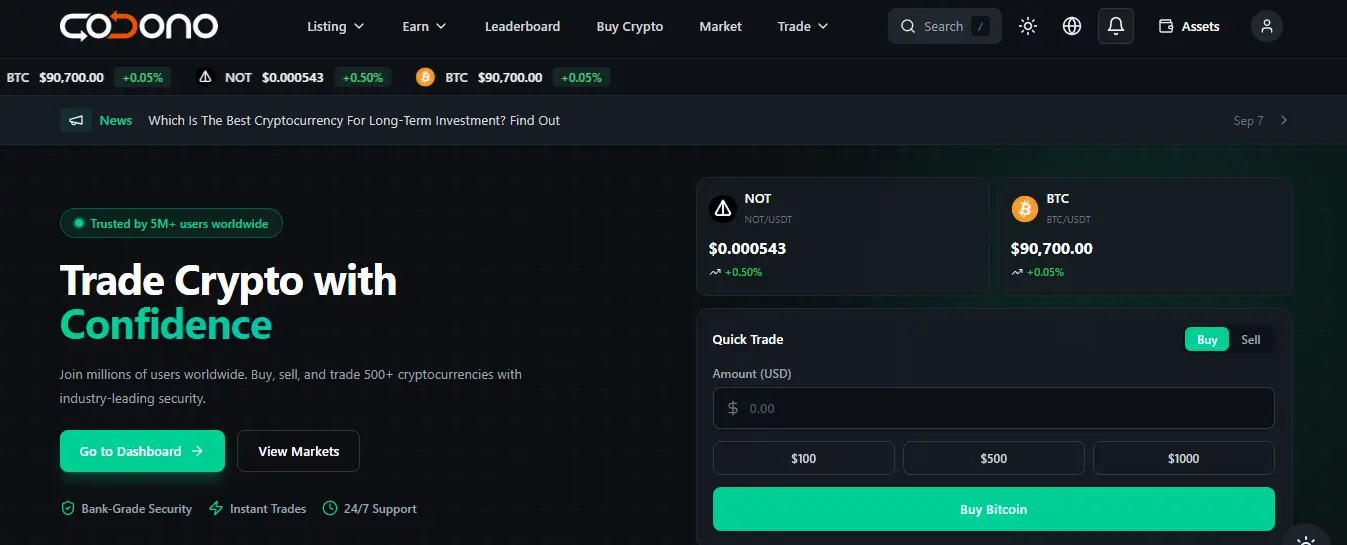
Order matching operates at speeds adequate for regional exchanges processing thousands of concurrent users. This is not high-frequency trading infrastructure competing with co-located execution systems. It is production trading technology handling normal market conditions and moderate volatility events reliably. Read more about our charts and trading interface .
Margin Trading in the Crypto Exchange Script
The crypto exchange script’s margin trading module generates revenue through interest income while providing configurable risk management at institutional scale.
Margin functionality generates revenue through interest income while requiring careful risk management. Implementation details matter.
Risk Architecture
- Isolated margin limiting exposure per position
- Cross margin leveraging entire account
- Configurable leverage ratios (standard 10x, adjustable)
- Real-time margin ratio calculation and monitoring
- Automated liquidation engine with configurable thresholds
- Insurance fund mechanisms protecting against negative balance cascades
Operational Reality
Margin trading is not a feature to enable and forget. Market volatility can trigger liquidation cascades that require operational monitoring and, occasionally, intervention. The system handles mechanics; operators need procedures for extreme market conditions.
Futures Trading Module
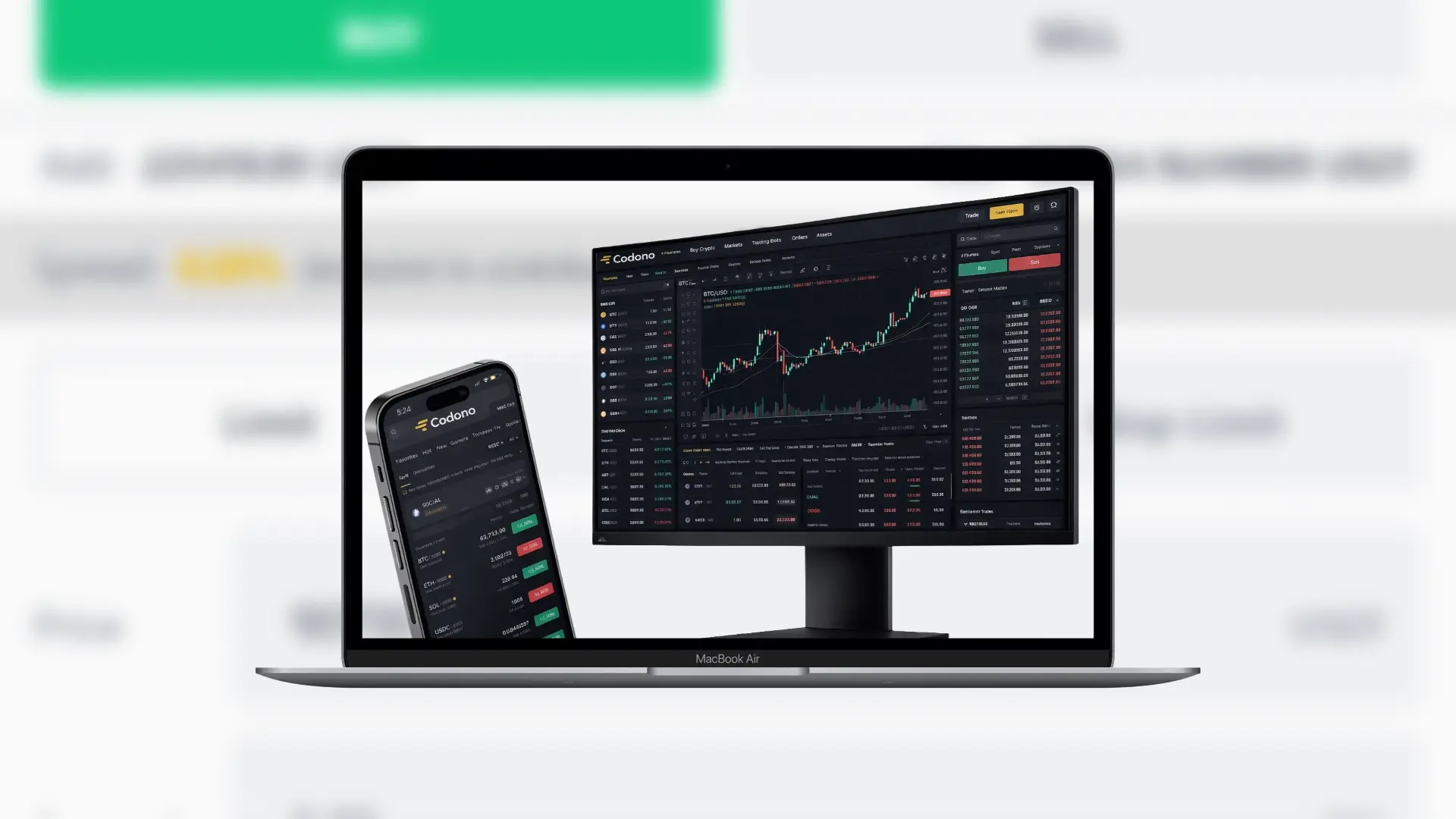
Perpetual futures contracts generate substantially higher fee revenue per dollar of volume than spot trading — the crypto exchange script includes a complete derivatives engine.
Exchanges serious about profitability build derivatives capability. This module is included in the crypto exchange script’s enterprise packages.
Contract Specifications
- Perpetual contracts without expiration
- Leverage configurations up to 100x
- Funding rate mechanism maintaining parity with spot (8-hour intervals)
- Mark price system protecting against manipulation
- Insurance fund absorbing socialized losses
- Auto-deleveraging (ADL) protocols for extreme scenarios
Implementation Considerations
Futures trading amplifies operational complexity. Position monitoring, liquidation management, funding rate calibration, and extreme market procedures require dedicated attention. The software provides solid mechanics; successful operation requires operational commitment.
P2P Trading Marketplace
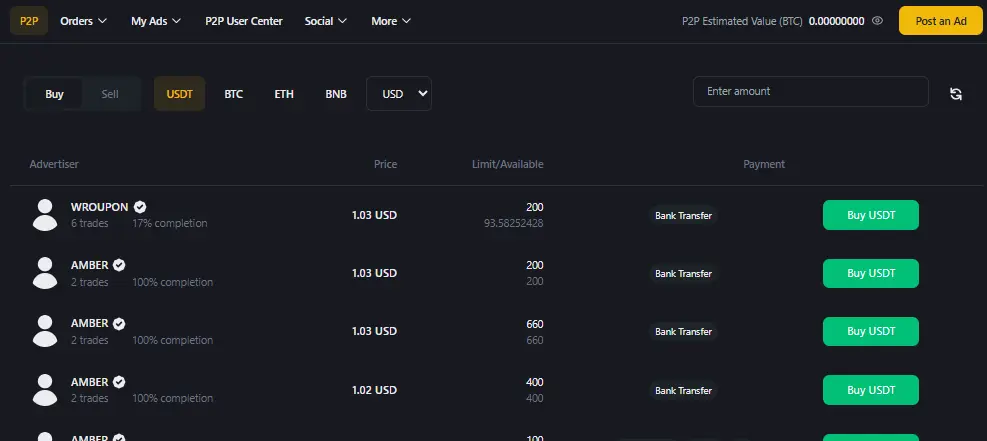
The crypto exchange script’s P2P module enables fiat on-ramp and off-ramp without direct banking relationships — essential for operators in emerging markets.
P2P functionality enables fiat on-ramp and off-ramp without requiring direct banking relationships — essential for operators in markets with limited traditional financial infrastructure access.
Core Functionality
- Time-bounded escrow with automatic release conditions
- Multi-step dispute resolution with evidence documentation
- Merchant verification and tiered trust levels
- Payment method management across 100+ options
- Real-time messaging with moderation tools
- Trade completion metrics and reputation tracking
Compliance Considerations
P2P platforms face specific regulatory scrutiny. The system includes transaction monitoring, suspicious activity flagging, and audit trails designed for regulatory compliance. Operators must implement appropriate KYC/AML compliance frameworks for their jurisdictions.
Multi-Chain Wallet Infrastructure
The crypto exchange script supports 15+ blockchain networks and 500+ tokens with institutional-grade hot/cold wallet architecture and automatic deposit detection.
Cryptocurrency wallet systems fail silently in poorly engineered software. Deposits miss, withdrawals process incorrectly, balances drift from blockchain state. This infrastructure was built by engineers who understand blockchain transaction mechanics at protocol level.
Supported Networks
- Bitcoin and UTXO-based networks
- Ethereum and EVM-compatible chains
- Binance Smart Chain , Polygon , Avalanche
- Solana
- Tron
- TON (Telegram Open Network)
- 500+ tokens across supported networks
Operational Features
- Automatic deposit detection with confirmation tracking
- Hot/cold wallet separation with configurable thresholds
- Withdrawal approval workflows with multi-level authorization
- Address validation preventing incorrect network transactions
- Balance reconciliation and audit tooling
- Complete transaction logging
Admin Dashboard and Operations Center
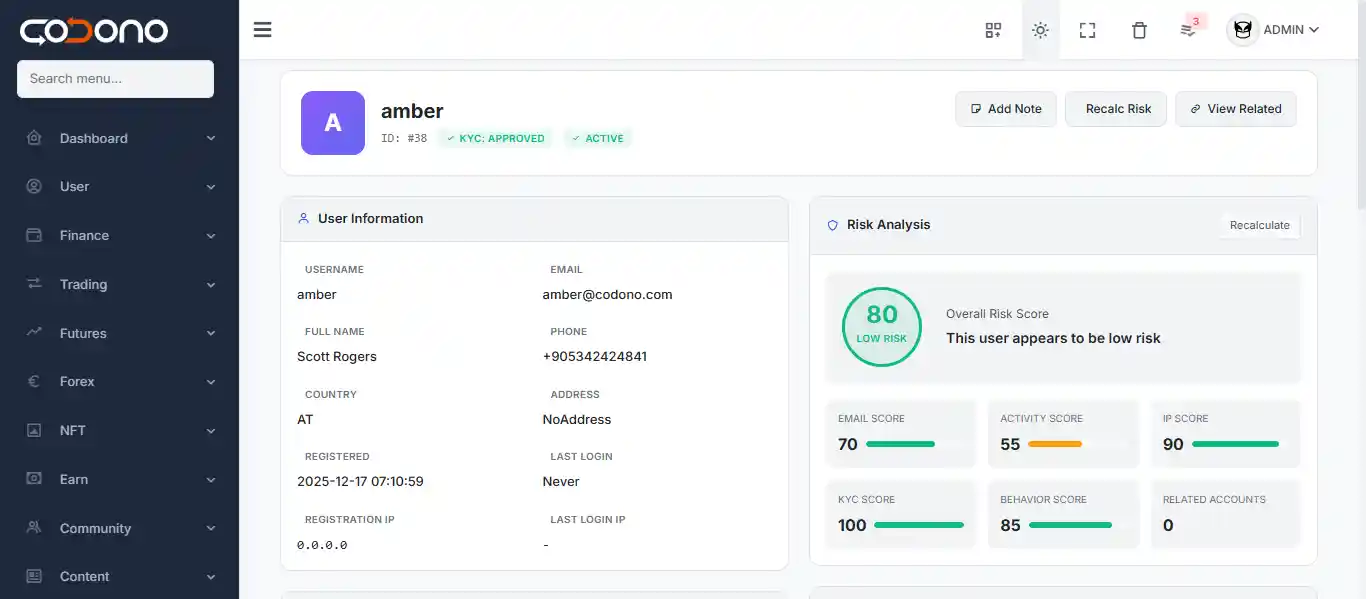
The crypto exchange script’s exchange admin panel is designed for daily exchange operations — user management, KYC approvals, financial monitoring, and market controls.
The administrative interface is designed for daily operations, not demonstration screenshots.
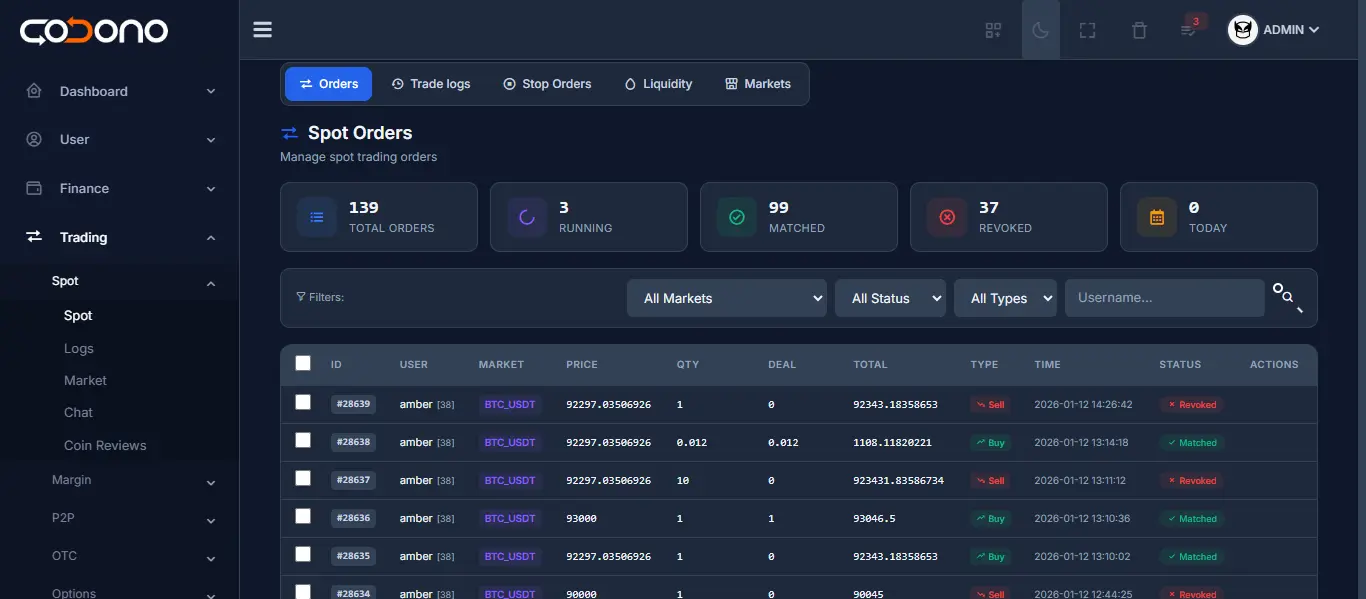
User Operations
- KYC verification queue with document review interface
- Account status management and investigation tools
- Manual balance adjustment with audit logging
- Trading limit configuration by verification tier
- Complete activity logging and session history
- Suspicious activity flagging and investigation
Financial Operations
- Real-time wallet balance monitoring
- Withdrawal approval and processing queues
- Deposit monitoring with manual crediting capability
- Fee collection and revenue reporting
- Profit and loss analysis by trading pair
- Settlement and reconciliation tools
Market Operations
- Trading pair configuration and management
- Dynamic fee structures by pair, volume, and user tier
- Market maker and liquidity configurations
- Circuit breaker and trading halt controls
- Maintenance mode management
- Announcement and notification systems
Mobile Trading Applications
The crypto exchange script includes cross-platform iOS and Android mobile apps with full trading functionality — not web wrappers presenting mobile-unfriendly interfaces.
Platform Capabilities
- Complete spot trading functionality
- Margin and futures trading (where licensed)
- P2P marketplace access
- Biometric authentication (Face ID, fingerprint)
- Push notifications for trades, deposits, price alerts
- QR code scanning for address input
- Portfolio management and analytics
App Store Considerations
Cryptocurrency applications face heightened scrutiny during app store review. Cross-Platform applications built with appropriate permissions and clear financial functionality have substantially higher approval rates than hybrid or web-wrapper approaches. We have extensive experience navigating these review processes.
Liquidity Architecture for New Exchanges
The crypto exchange script solves the cold-start liquidity problem with built-in aggregation from major trading venues — your users see competitive market depth from day one.
New exchanges face a structural challenge: traders require liquidity, but liquidity requires traders. This crypto exchange script includes infrastructure addressing this cold-start problem.
Aggregated Liquidity
Built-in connectivity to major global trading venues mirrors order book depth on your platform. Your users see competitive market prices and execute trades at market rates from day one. Learn more about our liquidity engine .
Flow Routing
When users place orders:
- System checks internal order book for matches
- Matched orders settle within your platform
- Unmatched orders route to external liquidity
- Your platform captures spread and commission
Evolution Path
As organic trading volume develops, increasing order flow settles internally. Operators can develop proprietary market making relationships over time while maintaining external liquidity as backup.
Crypto Exchange Script Revenue Model
A regional exchange processing $10M daily volume generates approximately $10,000 daily in trading fees — $300,000+ monthly before secondary revenue streams.
Transparency about economics helps qualified operators make informed decisions.
Primary Revenue Streams
| Source | Typical Rate | Notes |
|---|---|---|
| Spot Trading Fees | 0.1% maker/taker | $1,000 per $1M volume |
| Futures Trading Fees | 0.02%/0.05% | Higher volume compensates lower rate |
| Margin Interest | Variable | Daily interest on borrowed positions |
| Withdrawal Fees | Network cost + margin | Standard industry practice |
| Listing Fees | $10,000-$500,000 | Market dependent |
| P2P Commissions | 0.1-0.5% | Per completed trade |
Illustrative Projection
A regional exchange processing $10M daily volume at standard fee rates generates approximately $10,000 daily in trading fees alone — $300,000+ monthly before secondary revenue streams. For a detailed breakdown, see our guide on how to start a crypto exchange .
Security Architecture
The crypto exchange script implements defense-in-depth security architecture — 2FA, cold wallet separation, DDoS mitigation, and complete audit logging for regulatory compliance.
Security in exchange operations is not a feature — it is an ongoing discipline. The software provides tools; operators implement practices.
User-Facing Security
- Two-factor authentication (TOTP with SMS fallback)
- Anti-phishing codes for email verification
- Login notification and session management
- Withdrawal address whitelisting
- Time-delayed withdrawals for new addresses
Platform Security
- DDoS mitigation infrastructure
- Web application firewall protection
- Request rate limiting and abuse prevention
- Input validation and injection prevention
- Cross-site scripting protections
Wallet Security
- Hot/cold wallet separation
- Multi-signature transaction requirements (configurable)
- Key encryption at rest
- Complete audit logging
- Reconciliation tooling
Critical Understanding
No exchange software prevents compromise through poor operational security. Key management, access controls, employee vetting, and security procedures determine actual security posture. We provide capable tools and documented procedures; implementation discipline remains your responsibility.
Technical Architecture and API Infrastructure
The crypto exchange script is built on a modular backend with REST and WebSocket APIs, enabling algorithmic trading integration, third-party services, and custom frontend development.
Understanding the technology stack behind an exchange script is essential for technical due diligence. Operators need to know what they are deploying, how components interact, and where customization is practical.
Backend Architecture
The backend is a set of Java (Spring) microservices — user, trading, market data, and admin run as independent services behind service discovery, so each scales and deploys separately. Key architectural decisions:
- Modular services — Trading, wallet, KYC, and admin concerns are separated at the service boundary. Modify one without destabilizing others.
- Data layer — MySQL for transactional data (accounts, orders, balances, the double-entry ledger) with Redis for caching, distributed locks, and rate limiting; Kafka carries events between services; ClickHouse stores candle history; MongoDB backs chat and high-churn documents.
- Background processing — Scheduled and event-driven jobs for deposit scanning, settlement, reward distribution, and blockchain monitoring, with distributed locks preventing double-execution across replicas.
- Matching & real-time engine — A dedicated Node.js/TypeScript process handles in-memory order matching with write-ahead journaling and WebSocket fan-out for order books, trade feeds, and tickers.
REST API
The crypto exchange script exposes a complete REST API covering every operation available in the web interface:
- Public endpoints — Market data, order books, trade history, ticker information, server time
- Authenticated endpoints — Order placement, cancellation, balance queries, deposit/withdrawal management, account settings
- Admin endpoints — User management, KYC approvals, financial operations, market configuration
- Rate limiting — Configurable per-endpoint with burst allowances for market makers
WebSocket Feeds
Real-time data streaming for:
- Order book depth updates (incremental and snapshot)
- Trade execution feed
- Ticker updates (24h volume, price change, high/low)
- User-specific: order status changes, balance updates, trade confirmations
Algorithmic traders generate 60-80% of exchange volume. The API trading infrastructure is designed to attract and retain them. WebSocket latency under 50ms for order book updates enables competitive bot strategies.
Frontend Architecture
The trading interface uses Next.js (React) with TradingView charting integration. Key frontend characteristics:
- Single-page application (SPA) with client-side routing
- Responsive design serving desktop and tablet interfaces
- Dark mode default with customizable theming
- Real-time data via WebSocket subscription management
- Localization support for multi-language deployment
The frontend source code is fully modifiable. Operators can rebrand completely, restructure navigation, add custom pages, or replace individual components without touching backend logic.
Integration Ecosystem
The crypto exchange script connects to external services for KYC verification, fiat payments, blockchain data, and liquidity — reducing build-your-own effort across every operational dimension.
No exchange operates in isolation. The platform includes pre-built integrations with industry-standard providers, each configurable from the admin dashboard.
KYC and Identity Verification
Integration with global verification providers handles identity document checks, facial recognition, address verification, and ongoing monitoring. Supported providers include Sumsub, Shufti Pro, and manual verification workflows. See our KYC/AML system for configuration details.
Fiat Payment Rails
The fiat integration module supports connections to payment processors, bank transfer APIs, and third-party payment gateways. Operators can enable region-specific payment methods without custom development:
- Bank transfer (SEPA, SWIFT, local rails)
- Card processing via third-party providers
- Mobile money integration for emerging markets
- Crypto-to-fiat off-ramp via partner services
Blockchain Integrations
Each supported blockchain has a dedicated integration module handling:
- Address generation and HD wallet derivation
- Deposit detection with configurable confirmation thresholds
- Withdrawal processing with fee estimation
- Token contract interaction (ERC-20, TRC-20, BEP-20, SPL)
- Node connection management and failover
The crypto exchange script supports direct node connections and third-party blockchain APIs through providers like CryptoAPIs and Coinpayments for operators who prefer managed blockchain infrastructure.
Liquidity Provider Connections
Pre-built connectors aggregate order book depth from major venues. Configuration requires API credentials from the liquidity source — no custom development needed. The liquidity engine handles order routing, spread management, and internal/external settlement logic automatically.
Third-Party Extensions
The modular architecture supports additional integrations through standard patterns:
- Webhook notifications for trade events, deposits, and withdrawals
- OAuth2 integration for single sign-on with external platforms
- Custom cron jobs for scheduled data synchronization
- RESTful API endpoints for building custom dashboards and reporting tools
For a complete overview of available integrations, see our integrations directory .
Crypto Exchange Script Deployment Process
Standard crypto exchange script deployment takes 14-21 days from infrastructure provisioning to production launch, with phases for configuration, testing, and go-live coordination.
Phase 1: Infrastructure (Days 1-5)
- Server provisioning and configuration
- Database deployment
- SSL and domain configuration
- Base software installation
- Network and firewall setup
Phase 2: Configuration (Days 6-12)
- Branding implementation
- Trading pair configuration
- Fee structure setup
- KYC provider integration
- Payment method configuration
Phase 3: Testing (Days 13-18)
- Functional verification across modules
- Security scanning and assessment
- Performance testing under load
- Mobile application verification
- User acceptance testing
Phase 4: Launch (Days 19-21)
- Production deployment
- Administrative team training
- Monitoring and alerting activation
- Go-live coordination
- Initial operational support
Timelines compress or extend based on customization scope and operator preparation. Contact our deployment team to discuss your specific timeline.
Who Should Use This Crypto Exchange Script
This crypto exchange script is designed for licensed operators, regulated institutions, and funded ventures — not hobbyist projects or educational experiments.
Appropriate For
- Licensed exchange operators or license applicants
- Regulated financial institutions entering digital assets
- Funded ventures with institutional backing
- Established trading businesses expanding into cryptocurrency
- Regional operators serving underbanked markets
Not Appropriate For
- Hobbyist projects or educational experiments
- Operators unwilling to invest in compliance infrastructure
- Organizations without system administration capability
- Businesses expecting high-frequency trading performance
If you are evaluating white-label crypto exchange solutions or comparing crypto exchange software options, this platform provides the production-grade foundation operators need.
Next Steps: Evaluate the Crypto Exchange Script
Qualified operators typically follow this path:
- Access the Demo Environment — Interact with the crypto exchange script running production code
- Review Licensing Options — Understand investment requirements and package differences
- Schedule a Technical Discussion — Address specific deployment and customization questions
- Due Diligence — Reference calls with existing operators, security review, compliance alignment
- Licensing and Deployment — Execute agreement and begin 14-21 day deployment
We’ve deployed this crypto exchange script for 100+ operators across 30+ countries. Not all achieved commercial success — exchange businesses depend on marketing, operations, regulatory environment, and market timing. None failed because the trading infrastructure could not handle production requirements.
Ready to evaluate? Request a live demo or contact our enterprise team to discuss your specific operational requirements.