 ПО для криптобиржи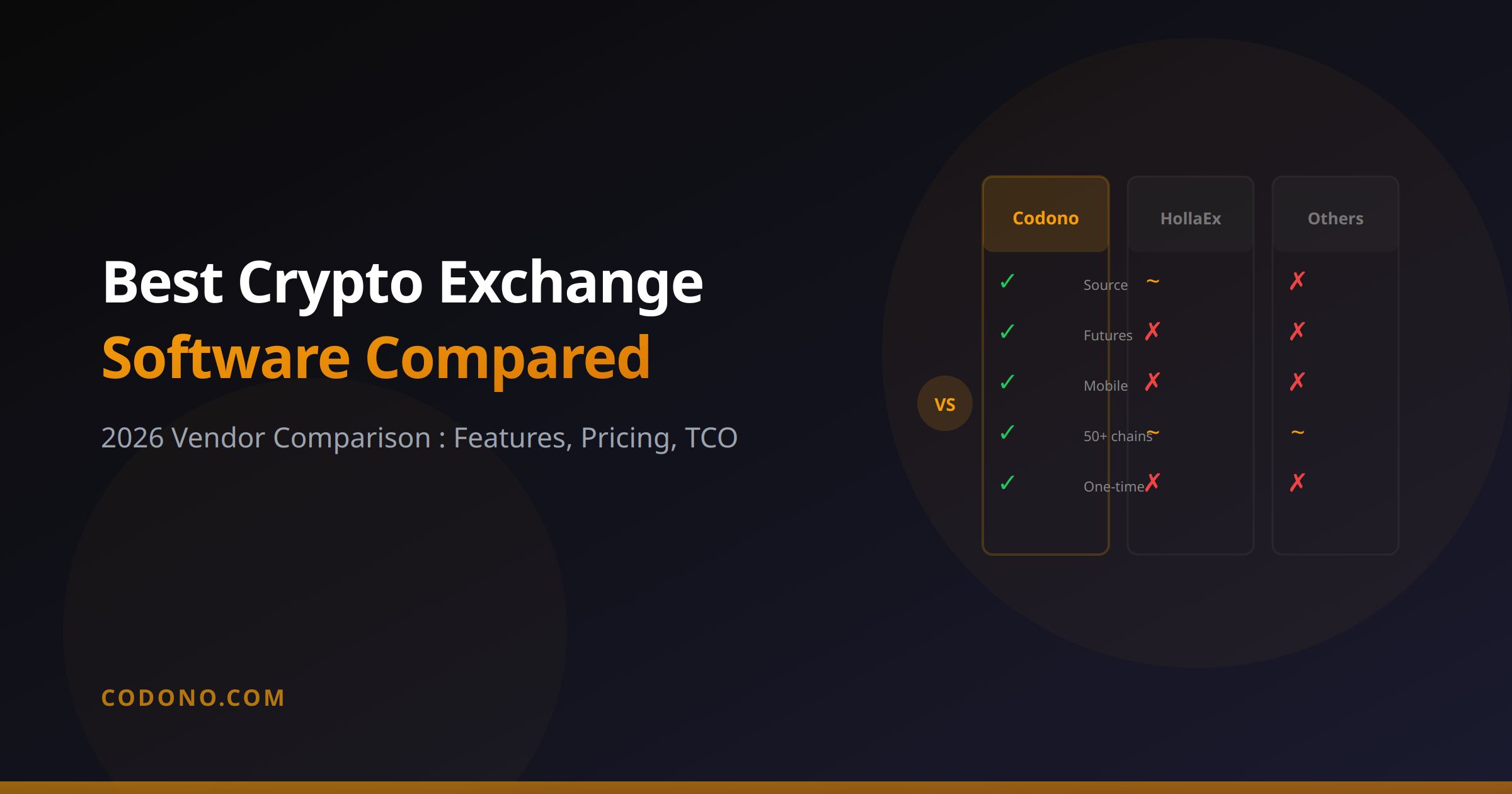
Лучшее ПО для криптобиржи 2026: Codono vs HollaEx vs AlphaPoint vs OpenDAX
Содержание
- Зачем существует это сравнение
- Четыре участника
- Критерии сравнения: что действительно важно
- Исходный код и право собственности
- Модели ценообразования: реальная стоимость
- Торговые функции и движок сопоставления ордеров
- Поддержка блокчейнов и кошельков
- Комплаенс и интеграция KYC
- Админ-панель и операционная деятельность
- Мобильные приложения
- Инфраструктура API
- Скорость развёртывания и поддержка
- Сравнительная матрица функций
- Совокупная стоимость владения за пять лет
- Кому что выбрать
- Вопрос привязки к поставщику
- Принятие окончательного решения
Зачем существует это сравнение
Если вы прямо сейчас введёте в поиск «лучшее ПО для криптобиржи», вы найдёте подборки с партнёрских сайтов, рейтинги, спонсируемые поставщиками, и агрегаторы отзывов, где компании платят за размещение. Ничто из этого не поможет вам принять взвешенное решение.
Мы — один из поставщиков в этом сравнении. Это означает, что у нас есть предвзятость, и мы будем открыты в этом. Но у нас также есть то, чего нет у партнёрских сайтов: глубокие технические знания о том, что на самом деле нужно для работы биржи в продакшене. Мы помогли запустить более 250 бирж с 2017 года и видели, как операторы добивались успеха и терпели неудачу на каждой платформе из этого списка.
Это сравнение охватывает критерии, которые действительно важны: доступ к исходному коду, реальные цены (а не «свяжитесь с нами»), сроки развёртывания и скрытые расходы, о которых никто не говорит, пока вы уже не связаны обязательствами.
Четыре участника
Codono — это self-hosted платформа ПО для CEX-биржи с полным доступом к исходному коду, продаваемая по разовой лицензии. Включает спотовую, маржинальную и фьючерсную торговлю, P2P, стейкинг и модули доходности с более чем 50 интеграциями блокчейнов и кроссплатформенным мобильным приложением.
HollaEx — это набор инструментов для криптобиржи с открытым ядром (HollaEx Kit) и платной облачной хостинг-платформой. Использует модульную архитектуру и предоставляет веб-мастер настройки биржи.
AlphaPoint — корпоративная платформа для обмена цифровыми активами, ориентированная на институциональных клиентов, банки и регулируемые организации. Работает по модели SaaS с индивидуальным ценообразованием и не предоставляет доступа к исходному коду.
OpenDAX (от Openware) — платформа для биржи с открытым кодом в комьюнити- и корпоративной редакциях. Открытая версия предоставляет базовый функционал биржи, а корпоративная добавляет расширенные возможности по коммерческой лицензии.
Критерии сравнения: что действительно важно
Поработав с сотнями операторов бирж, мы выделили семь факторов, которые определяют успех или провал. Они перечислены в порядке важности — по тому, какие ошибки обходились дороже всего:
- Доступ к исходному коду: можете ли вы изменять исходный код и размещать его у себя?
- Совокупная стоимость владения: не только лицензия, но и расходы за 5 лет
- Торговые функции: качество движка сопоставления, типы ордеров, продукты
- Поддержка блокчейнов: сколько сетей и насколько легко добавлять новые
- Инструменты комплаенса: интеграция KYC/AML, готовность к регулированию
- Скорость развёртывания: время от покупки до работающей биржи
- Риск привязки к поставщику: что произойдёт, если поставщик исчезнет?
Исходный код и право собственности
Это самое важное решение. Оно определяет вашу долгосрочную независимость, возможность кастомизации и стратегию выхода, если вы перерастёте своего поставщика.
Codono: полный исходный код включён в каждую лицензию. Бэкенд на микросервисах Java (Spring), движок сопоставления на Node.js, фронтенд на Next.js, кроссплатформенное мобильное приложение. Вы разворачиваете на собственных серверах с полным, незашифрованным доступом к исходному коду. Никакой зависимости от поставщика в повседневной работе. Вы можете нанять собственных разработчиков для изменения любого компонента.
HollaEx: HollaEx Kit распространяется с открытым кодом на разрешительной лицензии. Вы можете свободно загружать, изменять и развёртывать его. Однако облачная версия работает на инфраструктуре HollaEx, что создаёт зависимость. Набор с открытым кодом требует значительных усилий по разработке для достижения готовности к продакшену.
AlphaPoint: доступа к исходному коду нет. AlphaPoint работает как SaaS-платформа. Ваша биржа работает на их инфраструктуре или в управляемом развёртывании. Кастомизация ограничена вариантами конфигурации и API-интеграциями. Если AlphaPoint изменит цены, прекратит поддержку функций или уйдёт в офлайн, у вас не будет запасного варианта.
OpenDAX: комьюнити-редакция имеет открытый код. Корпоративная редакция (OpenDAX Enterprise) требует коммерческой лицензии с доступом к исходному коду на более высоких ценовых уровнях. Открытой версии не хватает многих функций, необходимых для продакшена (продвинутые типы ордеров, управление кошельками институционального уровня, полные инструменты администрирования).
Итог: если доступ к исходному коду важен для вас (а он должен быть важен), ваши реальные варианты — Codono (готовый скрипт биржи с исходным кодом) или HollaEx/OpenDAX (открытый код, но требует инвестиций в разработку).
Модели ценообразования: реальная стоимость
Цена на этикетке ПО для биржи почти ничего вам не говорит. Важна совокупная стоимость владения за 3–5 лет, включая хостинг, инструменты комплаенса, разработку и текущие платежи.
Codono:
- Разовая лицензия: от $1 899
- Без ежемесячных платежей, без доли от выручки, без платы за пользователя
- Вы оплачиваете собственный серверный хостинг ($100–500/мес. для продакшена)
- Доступны опциональные пакеты поддержки и кастомизации
- Все будущие обновления включены для лицензированной версии
HollaEx:
- Набор с открытым кодом: без лицензионной платы, но требует $30 000–$60 000+ на работу разработчиков для готовности к продакшену
- Облачный хостинг: от ~$900/мес. (Basic) до ~$2 400/мес. (Crypto Pro), плюс корпоративный уровень около $35 000/год и доля от выручки на младших тарифах — $50 000–$150 000+ за 5 лет
- Облачные тарифы включают хостинг, обслуживание и базовую поддержку
- Self-hosted Kit требует собственной команды DevOps (затраты на зарплаты: $60 000–$120 000/год)
- Дополнительные расходы на пользовательские плагины и интеграции
AlphaPoint:
- Индивидуальное корпоративное ценообразование: обычно $50 000–$150 000+ за установку
- Текущие ежемесячные SaaS-платежи (публично не раскрываются, требуется обращение в отдел продаж)
- Модели раздела выручки в некоторых контрактах снижают вашу маржу
- Внедрение и кастомизация оплачиваются отдельно
- Общие расходы за первый год часто превышают $100 000 до того, как ваша биржа заработает первый доллар
OpenDAX:
- Комьюнити-редакция: без лицензионной платы, но со значительными скрытыми расходами
- Корпоративная редакция: требуется коммерческая лицензия (цены публично не раскрываются)
- Самостоятельное размещение требует 2–3 опытных блокчейн-разработчиков ($150 000–$300 000/год на зарплаты)
- Официального управляемого хостинга нет
- Реалистичная стоимость разработки до готовности к продакшену: $50 000–$80 000+ за 3–6 месяцев
Торговые функции и движок сопоставления ордеров
Движок сопоставления — ядро любой биржи. Его производительность, надёжность и набор функций определяют торговый опыт каждого пользователя вашей платформы.
Codono:
- Высокопроизводительный движок сопоставления с приоритетом цена-время
- Спотовая торговля с 7+ типами ордеров (лимитный, рыночный, стоп-лимит, стоп-маркет, трейлинг-стоп, OCO, айсберг)
- Маржинальная торговля с настраиваемым плечом до 10x
- Бессрочные фьючерсы с плечом до 125x
- P2P-торговля с эскроу и 300+ способами оплаты
- Стейкинг-платформа с гибкими и фиксированными пулами
- Модуль доходности с доходными хранилищами и кредитованием
- Лаунчпад для токенсейлов (IEO/IDO)
- Движок ликвидности с внешней агрегацией
HollaEx:
- Движок сопоставления с базовыми типами ордеров (лимитный, рыночный, стоп)
- Спотовая торговля как основной продукт
- Поддержка OTC-торговли
- Функции стейкинга в премиум-тарифах
- Нет нативной фьючерсной или маржинальной торговли
- Нет встроенного P2P-модуля
- Плагинная архитектура для расширения функционала
AlphaPoint:
- Движок сопоставления корпоративного класса (высокая пропускная способность)
- Спотовая и маржинальная торговля
- Функционал OTC-деска
- Кредитование и заимствование
- Нет встроенных бессрочных фьючерсов (доступны партнёрские интеграции)
- Сильный фокус на институциональные типы ордеров
- Умная маршрутизация ордеров
OpenDAX:
- Базовый движок сопоставления в комьюнити-редакции
- Спотовая торговля с лимитными и рыночными ордерами
- Корпоративная редакция добавляет больше типов ордеров
- Нет нативных фьючерсов, маржинальной торговли, P2P или стейкинга
- Архитектура на базе Peatio (изначально из более старого проекта с открытым кодом)
- Требуется пользовательская разработка для продвинутых торговых продуктов
Итог: Codono предлагает самый полный набор торговых продуктов из коробки. У AlphaPoint инфраструктура корпоративного класса, но ограниченный ассортимент продуктов. HollaEx и OpenDAX — в первую очередь платформы спотовой торговли, требующие дополнительной разработки для деривативов и других продуктов.
Поддержка блокчейнов и кошельков
Количество поддерживаемых блокчейнов напрямую влияет на то, сколько пользователей сможет обслуживать ваша биржа. Каждая отсутствующая сеть — это сегмент пользователей, до которого вы не доберётесь.
Codono:
- Поддерживается 50+ блокчейнов, включая Bitcoin, Ethereum, BNB Chain, Solana, Tron, Polygon, TON, Avalanche, Arbitrum и другие
- Поддержка токенов ERC-20, BEP-20, TRC-20, SPL
- Инфраструктура мультиподписных кошельков
- Встроенная архитектура горячих/холодных кошельков
- Автоматический мониторинг и пополнение кошельков
HollaEx:
- ~25 поддерживаемых блокчейнов
- Поддержка токенов ERC-20 и BEP-20
- Кошельковая инфраструктура через облако HollaEx или самостоятельное управление
- Добавление новых сетей требует доработок в self-hosted версии
AlphaPoint:
- Поддержка основных блокчейнов (точное количество зависит от развёртывания)
- Интеграция кастодиальных решений институционального уровня (сторонних)
- Партнёрство с кастодиальными провайдерами, такими как Fireblocks
- Добавление сетей обычно требует участия AlphaPoint
OpenDAX:
- ~15 блокчейнов в комьюнити-редакции
- Корпоративная редакция добавляет больше сетей
- Архитектура кошельковых демонов на базе Peatio
- Добавление новых сетей требует разработки собственных кошельковых демонов
Комплаенс и интеграция KYC
Соблюдение регуляторных требований в 2026 году не подлежит обсуждению. MiCA действует в Европе, VARA регулирует Дубай, и большинство юрисдикций требуют полноценные системы KYC/AML.
Codono:
- Встроенная система верификации KYC с многоуровневым доступом
- Интеграция SumSub для автоматической проверки документов
- AML-мониторинг транзакций
- Настраиваемые лимиты на вывод для каждого уровня верификации
- Поддержка Travel Rule
- Инструменты администрирования для ручной проверки и комплаенс-отчётности
HollaEx:
- Базовый KYC через облачную платформу
- Интеграция сторонних KYC-провайдеров
- Ограниченный AML-мониторинг в базовом тарифе
- Функции комплаенса зависят от уровня тарифа
AlphaPoint:
- Комплаенс-пакет корпоративного класса
- Множество интеграций KYC/AML-провайдеров
- Мониторинг транзакций и подача отчётов SAR
- Разработано для регулируемой институциональной среды
- Это сильнейшее отличие AlphaPoint
OpenDAX:
- Базовый KYC в комьюнити-редакции (загрузка документов)
- Корпоративная редакция добавляет интеграцию сторонних KYC
- Ограниченный встроенный AML-мониторинг
- Функции комплаенса требуют пользовательской разработки
Админ-панель и операционная деятельность
Управление биржей означает работу с пользователями, мониторинг кошельков, проверку заявок KYC, настройку комиссий и обработку обращений в поддержку. Админ-панель биржи определяет, насколько эффективно вы сможете работать.
Codono:
- Полноценная админ-панель с 50+ модулями управления
- Управление пользователями (проверка KYC, корректировка балансов, торговые ограничения)
- Мониторинг кошельков с отслеживанием балансов в реальном времени
- Настройка комиссий (maker/taker, вывод, листинг)
- Управление торговыми парами (добавление/удаление/настройка)
- Аналитика выручки и объёмов
- Мониторинг состояния системы
- Управление контентом для объявлений
HollaEx:
- Веб-интерфейс администрирования
- Управление пользователями и проверка KYC
- Мастер настройки биржи
- Базовая аналитика и отчётность
- Управление плагинами для расширений
AlphaPoint:
- Корпоративный набор администрирования
- Ролевая модель доступа
- Полная отчётность и аналитика
- Инструменты управления комплаенсом
- Операционная панель
OpenDAX:
- Базовая админ-панель в комьюнити-редакции
- Интерфейс Tower для корпоративной версии
- Управление пользователями и базовая конфигурация
- Ограниченная аналитика без пользовательской разработки
Мобильные приложения
Более 60% криптоторговли происходит на мобильных устройствах. Запуск без мобильных приложений означает потерю большинства потенциальных пользователей с первого дня.
Codono:
- Нативные приложения для iOS и Android включены в лицензию
- Полный торговый функционал (спот, маржа, фьючерсы)
- Пополнение и вывод с поддержкой QR-кодов
- Push-уведомления об ордерах и ценовые алерты
- Биометрическая аутентификация (Face ID, отпечаток пальца)
- Исходный код включён для кастомизации
HollaEx:
- Мобильные приложения на React Native (вы компилируете и публикуете их самостоятельно)
- Мобильно-адаптивный веб-интерфейс
- Исходный код приложений не передаётся в виде готовых приложений
- Пользовательская разработка приложений доступна за дополнительную плату
AlphaPoint:
- Мобильные SDK для пользовательской разработки приложений
- Готовые мобильные приложения не включены
- Партнёры предоставляют мобильные решения
- Значительные дополнительные расходы на мобильную разработку
OpenDAX:
- Нативных мобильных приложений нет
- Мобильно-адаптивный веб-интерфейс
- Сообщество создало несколько мобильных фронтендов
- Требуется пользовательская разработка для продакшен-приложений
Итог: Codono — единственная платформа в этом сравнении, которая включает готовое к продакшену кроссплатформенное мобильное приложение с исходным кодом. Каждый другой вариант требует дополнительных инвестиций в разработку.
Инфраструктура API
API-слой обслуживает алгоритмических трейдеров, маркет-мейкеров и сторонние интеграции. Качество API напрямую влияет на торговый объём, поскольку алгоритмические трейдеры генерируют 60–80% объёма на большинстве бирж.
Codono:
- REST API с полным покрытием эндпоинтов
- WebSocket-потоки для рыночных данных в реальном времени и приватных каналов
- Аутентификация с HMAC-подписью
- Ограничение частоты запросов с настраиваемыми уровнями
- Документация API включена
- Поддержка торговых ботов и сторонних интеграций
HollaEx:
- Поддержка REST API и WebSocket
- Управление API-ключами
- Базовое ограничение частоты запросов
- Документация доступна
- Плагинный API для расширений
AlphaPoint:
- API-инфраструктура корпоративного класса
- Поддержка протокола FIX (институциональный стандарт)
- WebSocket с высокой пропускной способностью
- Полная документация
- Лучшее в классе для институциональных требований к API
OpenDAX:
- REST API (совместимый с Peatio)
- WebSocket для рыночных данных
- Базовая аутентификация
- Документация, поддерживаемая сообществом
Скорость развёртывания и поддержка
Скорость выхода на рынок имеет значение. Каждый месяц задержки стоит вам рыночных возможностей и сжигает ваш запас средств.
| Фактор | Codono | HollaEx | AlphaPoint | OpenDAX |
|---|---|---|---|---|
| Время развёртывания | 14–21 день | 1–7 дней (облако) / 2–4 недели (self-hosted) | 2–6 месяцев | 1–3 месяца |
| Техническая поддержка | Email + документация | Сообщество + платные тарифы | Выделенный аккаунт-менеджер | Форумы сообщества |
| Настройка брендинга | Полная (исходный код) | На основе шаблонов (облако) / Полная (self-hosted) | На основе конфигурации | Полная (исходный код) |
| Требования к серверам | Ваши собственные серверы | Облако HollaEx или ваши серверы | Инфраструктура AlphaPoint | Ваши собственные серверы |
Сравнительная матрица функций
| Функция | Codono | HollaEx | AlphaPoint | OpenDAX |
|---|---|---|---|---|
| Полный исходный код | Да | Частично (Kit с открытым кодом) | Нет | Частично (комьюнити-редакция) |
| Спотовая торговля | Да | Да | Да | Да |
| Маржинальная торговля | Да (до 10x) | Нет | Да | Нет |
| Бессрочные фьючерсы | Да (до 125x) | Нет | Нет | Нет |
| P2P-торговля | Да | Нет | Нет | Нет |
| Стейкинг | Да | Только платные тарифы | Нет | Нет |
| Доходность/Earn | Да | Нет | Нет | Нет |
| Лаунчпад (IEO) | Да | Нет | Нет | Нет |
| Нативные мобильные приложения | Да (iOS + Android) | React Native (собирается самостоятельно) | Нет (SDK) | Нет |
| Блокчейны | 50+ | ~25 | Варьируется | ~15 |
| Встроенный KYC | Да | Базовый | Корпоративный | Базовый |
| Движок ликвидности | Да | Ограниченный | Да | Нет |
| Админ-панель | Полная | Базовая | Корпоративная | Базовая |
| Разовая оплата | Да (от $1 899) | Нет (ежемесячная подписка) | Нет (корпоративная + подписка) | Без лицензионной платы (высокие расходы на разработку) |
Совокупная стоимость владения за пять лет
Именно здесь большинство сравнений даёт сбой. Лицензионная плата часто составляет наименьшую часть общих расходов. Вот реалистичная разбивка за 5 лет для биржи среднего размера с 5 000–10 000 активных пользователей:
| Категория расходов | Codono | HollaEx Cloud | AlphaPoint | OpenDAX Self-Hosted |
|---|---|---|---|---|
| Лицензия на ПО | $1 899 (разово, ваша навсегда) | Без первоначального взноса | $75 000+ за установку | Без первоначального взноса |
| Ежемесячные платежи платформы | $0 навсегда | $1 000/мес. = $60 000 | $5 000+/мес. = $300 000+ | $0 (но см. расходы на разработку) |
| Хостинг (5 лет) | $30 000 | Включён в подписку | Включён в подписку | $30 000 |
| Разработка до продакшена | Минимальная (под ключ) | $15 000–$30 000 | $25 000 кастомизация | $80 000+ (создание недостающих функций) |
| KYC-провайдер (5 лет) | $18 000 | $18 000 | Включён | $18 000 |
| Разработка мобильного приложения | $0 (включено с исходным кодом) | $30 000+ (не включено) | $50 000+ (не включено) | $40 000+ (не включено) |
| Итого за 5 лет | ~$60 000 | ~$153 000+ | ~$450 000+ | ~$168 000+ |
Это оценки на основе публично доступной информации и средних показателей по отрасли. Фактические расходы зависят от конфигурации, использования и договорных условий.
Ключевой вывод: open-source не бесплатен. Время разработки, необходимое для доведения HollaEx Kit или комьюнити-редакции OpenDAX до готовности к продакшену, стоит дороже, чем большинство лицензий под ключ. Вы меняете лицензионные платежи на зарплаты разработчиков и более длительные сроки.
Кому что выбрать
Выбирайте Codono, если:
- Вам нужен полный доступ к исходному коду с решением под ключ
- Бюджет ограничен, но нужен полный набор функций (спот + фьючерсы + P2P + стейкинг)
- Вам нужно кроссплатформенное мобильное приложение без дополнительных расходов на разработку
- Вы хотите разовую оплату без текущих платежей платформы
- Вы планируете поддерживать 50+ блокчейнов
- Важна скорость развёртывания (14–21 день)
- Посмотреть цены | Попробовать живое демо
Выбирайте HollaEx, если:
- У вас есть ресурсы разработки для работы с открытым кодом
- Вы хотите начать с минимальной спотовой биржи и масштабироваться постепенно
- Ежемесячная подписка лучше соответствует вашему денежному потоку, чем разовая лицензия
- Вам не нужны фьючерсы, маржинальная или P2P-торговля
Выбирайте AlphaPoint, если:
- Вы — институт, банк или сильно регулируемая организация
- Бюджет превышает $100 000 на инфраструктуру биржи
- Вам нужен протокол FIX и комплаенс институционального уровня
- Вы предпочитаете корпоративную поддержку доступу к исходному коду
- Привязка к поставщику — приемлемый компромисс ради управляемой инфраструктуры
Выбирайте OpenDAX, если:
- В вашей команде есть опытные блокчейн-разработчики
- Вы хотите максимальный контроль кастомизации через открытый код
- Вас устраивает 1–3 месяца разработки до запуска
- Вам в первую очередь нужна спотовая биржа без деривативов
Вопрос привязки к поставщику
Привязка к поставщику (vendor lock-in) — это риск того, что смена платформы станет непомерно дорогой или технически невозможной после того, как вы уже взяли на себя обязательства. Это риск, который большинство операторов недооценивает.
Низкий риск привязки (полный доступ к исходному коду):
- Codono: у вас есть полный, незашифрованный доступ к исходному коду по лицензии. Вы можете нанять любого разработчика для изменения, сопровождения или полной переработки компонентов. Если Codono исчезнет завтра, ваша биржа продолжит работать.
- OpenDAX (комьюнити): тот же принцип. Открытый код принадлежит вам.
Средний риск привязки:
- HollaEx Cloud: ваша биржа работает на инфраструктуре HollaEx. Миграция на self-hosted требует существенной переработки архитектуры. Ваши данные переносимы, но операционная зависимость реальна.
Высокий риск привязки:
- AlphaPoint: нет исходного кода, зависимость от SaaS. Если AlphaPoint изменит цены, прекратит ваш тариф или столкнётся с длительным простоем, у вас не будет альтернативы. Миграция означает перестройку с нуля с новым поставщиком.
Для более глубокого анализа компромиссов между покупкой и собственной разработкой читайте наше сравнение white-label и самостоятельно разработанных бирж.
Принятие окончательного решения
Прежде чем связать себя обязательствами с любой платформой, сделайте следующее:
-
Запросите живое демо. Каждый поставщик из этого списка предлагает ту или иную форму демонстрации. Протестируйте торговый интерфейс, админ-панель и мобильный опыт самостоятельно. Запланируйте демо Codono здесь.
-
Спросите про исходный код. Если поставщик неохотно обсуждает доступ к исходному коду, это о многом говорит. Спросите конкретно: «Получу ли я полный исходный код? Могу ли я его изменять? Могу ли я нанять собственных разработчиков для работы с ним?»
-
Посчитайте TCO за 5 лет. Не сравнивайте лицензионные платежи. Сравнивайте совокупную стоимость владения, включая хостинг, разработку, инструменты комплаенса, мобильные приложения и текущие платежи.
-
Проверьте поддержку блокчейнов. Запросите полный список поддерживаемых блокчейнов и токенов. Затем спросите: «Как добавить новый блокчейн, которого нет в вашем списке?» Ответ покажет, насколько независимым вы будете.
-
Проверьте готовность к комплаенсу. Если вы планируете работать в регулируемой юрисдикции (MiCA в ЕС, VARA в Дубае, MAS в Сингапуре), убедитесь, что платформа поддерживает конкретные требования комплаенса, которые вам нужны. Прочитайте наше руководство по KYC-комплаенсу, чтобы узнать, чего ожидают регуляторы.
-
Поговорите с существующими клиентами. Попросите поставщика предоставить рекомендации. Операторы, которые работают уже 12+ месяцев, могут рассказать, каков поставщик на самом деле в работе после продажи.
Правильное ПО для биржи — не самое дешёвое и не самое дорогое. Это то, которое соответствует вашему бюджету, техническим возможностям, регуляторным требованиям и амбициям роста. Потратьте время на качественную оценку. Стоимость смены платформы после запуска в 10 раз выше стоимости правильного выбора с первого раза.
Готовы оценить Codono? Начните с живого демо, чтобы изучить всю торговую платформу и админ-панель. Ознакомьтесь с полным списком функций и тарифными планами или свяжитесь с нашей командой, чтобы обсудить ваши конкретные требования.
Источники и дополнительные материалы
Прямые сравнения поставщиков, рассмотренных здесь:
- Codono vs HollaEx — владение, модули и стоимость за пять лет в построчном сравнении
- Codono vs AlphaPoint — разовая лицензия против корпоративного SaaS
- Альтернативы HollaEx — весь рынок, честно оценённый
- Альтернативы OpenDAX — когда открытого кода недостаточно
Внешние источники:
- Chainalysis Crypto Market Intelligence — Chainalysis
- BIS Quarterly Review — Crypto Exchange Market Structure — Bank for International Settlements
- IOSCO Policy Recommendations for Crypto and Digital Asset Markets — IOSCO
- G20 Crypto-Asset Reporting Framework — OECD
Codono Team
Codono builds enterprise-grade crypto exchange software deployed by 250+ operators across 30+ countries. Our team writes from production experience running spot, derivatives, custody, and compliance at scale.
View all posts by Codono Team →