 ПО для криптобиржи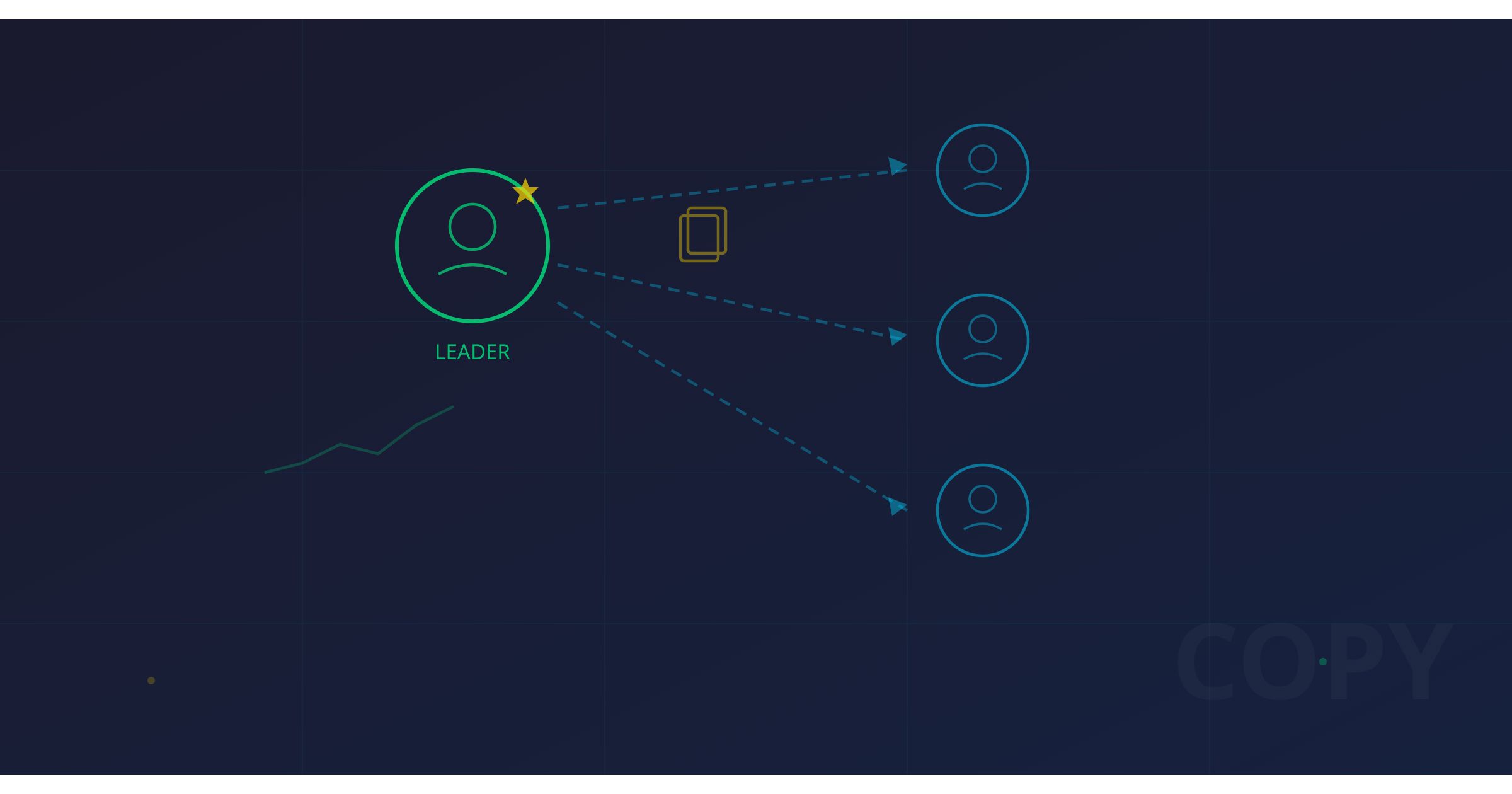
Как добавить копитрейдинг на вашу криптобиржу
Копитрейдинг стал одной из самых быстрорастущих функций в индустрии криптовалютных бирж. Такие платформы, как eToro, впервые реализовали эту концепцию в традиционных финансах, а криптонативные биржи вроде Bybit и Bitget превратили её в серьёзное конкурентное преимущество — только Bitget сообщал о более чем 100,000 элитных трейдеров и миллионах подписчиков к 2025 году. Для операторов бирж добавление копитрейдинга — это не просто галочка в списке функций; это стратегический рычаг роста, который повышает удержание пользователей, увеличивает торговый объём и открывает новые источники дохода.
Это руководство проведёт вас через всё, что нужно знать, чтобы добавить копитрейдинг в ваше ПО для криптобиржи: базовую архитектуру, технические детали реализации, модель монетизации, регуляторные нюансы и UX-паттерны, которые превращают случайных пользователей в активных подписчиков.
Оглавление
- Что такое копитрейдинг и почему он важен
- Размер рынка и спрос
- Базовая архитектура: система «лидер/подписчик»
- Ключевые функции для реализации
- Техническая реализация
- Модель монетизации
- Нормативно-правовые аспекты
- UX-дизайн для копитрейдинга
- Интеграция со спотовой и фьючерсной торговлей
- Кейсы: Bybit и Bitget
- С чего начать
Что такое копитрейдинг и почему он важен
Копитрейдинг — это механизм, который позволяет одному пользователю (подписчику) автоматически копировать сделки другого пользователя (лидера, которого иногда называют «мастер-трейдером» или «поставщиком сигналов»). Когда лидер открывает позицию, система создаёт пропорционально рассчитанную позицию на счёте каждого подписчика. Когда лидер закрывает позицию, подписчики тоже закрывают. Весь процесс автоматизирован и происходит практически в реальном времени.
Концепцию популяризировала eToro примерно с 2010 года на рынках форекс и акций. eToro продемонстрировала, что социальный трейдинг способен радикально снизить барьер входа для новых трейдеров. Пользователи, у которых не было времени или экспертизы для анализа рынков, всё равно могли прибыльно участвовать в торговле, следуя за опытными трейдерами.
В криптовалюте эта модель работает ещё эффективнее. Крипторынки работают 24/7, и большинству розничных трейдеров непрактично круглосуточно отслеживать позиции. Копитрейдинг решает эту проблему, делегируя исполнение сделок лидеру, чья стратегия работает непрерывно. Подписчик просто выделяет капитал, выбирает лидера и позволяет системе делать всё остальное.
Для операторов бирж копитрейдинг важен, потому что он решает главную проблему индустрии: удержание пользователей. Большинство новых регистраций на криптобирже так и не совершают вторую сделку. Копитрейдинг даёт им причину остаться. Они могут участвовать в рынке с минимальными усилиями, видеть результаты, привязанные к реальной эффективности трейдера, и постепенно обретать уверенность. Данные Bybit и Bitget это подтверждают — пользователи, которые взаимодействуют с копитрейдингом, показывают значительно более высокие показатели 90-дневного удержания, чем те, кто торгует вручную.
Размер рынка и спрос
Мировой рынок социального трейдинга и копитрейдинга существенно вырос. По отраслевым оценкам, он превысил $3 млрд годовой выручки платформ к 2025 году, а прогнозы указывают на $8-10 млрд к 2028 году. В криптосегменте объём копитрейдинга на ведущих биржах удваивается год от года с 2023 года.
Спрос формируется несколькими сходящимися трендами. Во-первых, розничное участие в криптовалюте продолжает расти, и большинство новичков — не профессиональные трейдеры. Во-вторых, успех таких платформ, как Bitget — которая построила свою бренд-идентичность вокруг копитрейдинга — доказал, что эта функция может быть основным каналом привлечения, а не просто второстепенным дополнением. В-третьих, рост фьючерсной торговли в криптовалюте создал естественную пару: фьючерсный копитрейдинг предлагает многократно увеличенную доходность (и риски), что делает динамику «лидер/подписчик» ещё более привлекательной.
Биржи без копитрейдинга всё чаще оказываются в конкурентно невыгодном положении, особенно на таких рынках, как Юго-Восточная Азия, Латинская Америка и Ближний Восток, где распространение социального трейдинга наиболее высоко.
Базовая архитектура: система «лидер/подписчик»
Система копитрейдинга построена вокруг отношений между лидерами и подписчиками, управляемых центральным движком копитрейдинга, который находится между пользовательскими счетами и матчинговым движком.
Регистрация и квалификация лидеров
Не каждый пользователь должен иметь возможность стать лидером. Контроль качества обязателен. Типичные критерии квалификации включают:
- Минимальная торговая история: не менее 30 дней активной торговли на платформе
- Минимальный баланс: порог (например, $500-$1,000), чтобы у лидеров была своя заинтересованность в результате
- Верификация KYC: лидеры должны быть полностью верифицированы
- Аудит результатов: некоторые платформы требуют испытательный период, в течение которого лидеры торгуют на отслеживаемом портфеле до выхода в продакшн
После одобрения сделки лидера отслеживаются движком копитрейдинга и становятся доступными для копирования подписчиками.
Подписка подписчиков
Подписчики просматривают маркетплейс лидеров, изучают их показатели эффективности и выбирают одного или нескольких для подписки. При подписке подписчик выделяет конкретную сумму капитала этому лидеру. Этот капитал изолируется — его нельзя использовать для других сделок, пока он выделен на копитрейдинг.
Зеркалирование портфеля и пропорциональное распределение
Основная логика копитрейдинга — пропорциональное распределение. Если лидер выделяет 5% своего портфеля на лонг-позицию по BTC/USDT, система каждого подписчика выделяет 5% его назначенного баланса копитрейдинга на ту же позицию.
Формула проста:
Размер позиции подписчика = (Размер позиции лидера / Портфель лидера) x Выделенный капитал подписчика
Например, если у лидера портфель $10,000 и он открывает лонг по BTC на $1,000, это составляет 10% распределения. Подписчик, назначивший этому лидеру $2,000, откроет лонг по BTC на $200.
Обработка проскальзывания
Проскальзывание возникает, когда ордер подписчика исполняется по цене, отличной от цены лидера. Это неизбежно, когда сотни или тысячи подписчиков одновременно копируют одну и ту же сделку. Эффективное управление проскальзыванием включает:
- Пороги ценового допуска: пропускать копирование, если рыночная цена отклонилась более чем на заданный процент (например, 0.3-0.5%) от цены исполнения лидера
- Пакетная обработка: исполнять ордера подписчиков рандомизированными микропакетами, чтобы избежать единого крупного влияния на рынок
- Внутренний матчинг ордеров: направлять ордера подписчиков через собственную книгу ордеров биржи, а не через внешние площадки, для минимизации задержки
- Умные типы ордеров: использовать лимитные ордера с коротким временем жизни вместо чисто рыночных ордеров
Ключевые функции для реализации
Рейтинги и поиск лидеров
Таблица лидеров с поиском и фильтрами — точка входа для подписчиков. Ключевые параметры ранжирования:
- ROI (30 дней, 90 дней, за всё время)
- Винрейт (процент прибыльных сделок)
- Максимальная просадка (наибольшее снижение от пика до дна)
- Коэффициент Шарпа (доходность с учётом риска)
- Количество подписчиков и активы под управлением (AUM)
- Частота торговли и предпочитаемые пары
Позвольте пользователям фильтровать по стилю торговли (скальпер, свинг-трейдер, долгосрочный держатель), фокусу на активах (преимущественно BTC, ориентация на альткоины) и уровню риска.
Метрики эффективности и прозрачность
Каждый профиль лидера должен отображать полную, проверенную статистику. Никогда не позволяйте лидерам скрывать убыточные сделки или обнулять свою историю. Прозрачность укрепляет доверие и снижает регуляторные риски. Отображайте кривые капитала, таблицы истории сделок и графики просадок.
Контроль рисков
Механизмы контроля рисков защищают подписчиков от катастрофических убытков и обязательны для системы продакшн-качества:
- Лимит максимальной просадки: автоматически прекращать копирование лидера, если выделенный капитал подписчика упал на заданный процент (например, 25%)
- Стоп-лосс на сделку: применять максимальный убыток на каждую отдельную скопированную сделку
- Дневной лимит убытков: приостанавливать копирование, если совокупные дневные убытки превышают порог
- Ограничение размера позиции: ограничивать максимальный процент выделенного капитала, который может быть задействован в одной сделке
- Ограничение плеча: позволять подписчикам устанавливать максимальный множитель плеча, даже если лидер использует большее плечо
Эти параметры должны настраиваться подписчиком при подписке и быть доступными для изменения в любое время.
Модель распределения прибыли
Стандартная модель — комиссия за результат по принципу «максимальной отметки» (high-water mark). Лидеры получают процент (обычно 10-20%) от чистой прибыли, которую они генерируют для подписчиков, рассчитываемый только от новых максимумов. Это означает, что если лидер получил прибыль, затем пережил просадку и восстановился, он зарабатывает комиссию только на прибыли выше предыдущей максимальной отметки.
Биржа забирает долю от этой комиссии (обычно 20-30% от доли лидера), создавая трёхстороннее распределение: подписчик сохраняет большую часть прибыли, лидер получает комиссию за результат, а биржа — платформенную комиссию.
Частичное копирование и кастомизация
Продвинутые подписчики должны иметь возможность настраивать параметры копирования:
- Копировать только определённые пары: следовать за сделками лидера по BTC и ETH, но игнорировать сделки с альткоинами
- Пропускать сделки ниже минимального размера: игнорировать микропозиции
- Обратное копирование: открывать позицию, противоположную позиции лидера (нишевый, но востребованный функционал)
- Ручное закрытие: позволять подписчикам досрочно закрывать скопированную позицию без влияния на других подписчиков
Техническая реализация
Движок зеркалирования ордеров
Движок зеркалирования ордеров — сердце системы. Он подписывается на торговые события от матчингового движка и для каждого исполнения, связанного с зарегистрированным лидером, запускает логику копирования.
Общий поток:
- Лидер размещает ордер через обычный торговый процесс
- Матчинговый движок исполняет ордер
- Торговое событие передаётся движку копитрейдинга
- Движок находит всех активных подписчиков этого лидера
- Для каждого подписчика рассчитывается пропорциональный размер позиции
- Сделка проверяется на соответствие настройкам контроля рисков подписчика
- Если проверка пройдена, от имени подписчика отправляется внутренний ордер
- Позиция подписчика фиксируется и связывается со сделкой лидера
Весь этот конвейер должен выполняться за миллисекунды, чтобы минимизировать расхождение цен между исполнением лидера и подписчика.
WebSocket-потоки и обновления в реальном времени
Подписчикам нужна видимость своих скопированных позиций в реальном времени. Для этого требуется выделенный WebSocket-канал для событий копитрейдинга, отдельный от стандартных потоков рыночных данных и обновлений ордеров.
События для передачи по WebSocket:
- Открыта новая скопированная сделка (пара, размер, цена входа, имя лидера)
- Закрыта скопированная сделка (пара, PnL, длительность)
- Сработал контроль рисков (какой именно, результативное действие)
- Изменения статуса лидера (лидер приостановил торговлю, лидер превысил просадку)
Эти потоки интегрируются с вашим существующим слоем API-интеграции и могут использоваться веб-, десктопными и мобильными клиентами.
Синхронизация позиций
Синхронизация позиций обрабатывает краевые случаи, возникающие, когда подписчики присоединяются или уходят в середине сделки. Если подписчик подписывается на лидера, у которого уже есть открытые позиции, система должна решить:
- Синхронизировать существующие позиции: открыть соответствующие позиции для нового подписчика по текущим рыночным ценам
- Ждать только новые сделки: игнорировать существующие позиции и копировать только будущие сделки
У обоих подходов есть компромиссы. Синхронизация существующих позиций даёт подписчику немедленную экспозицию на стратегию лидера, но может привести к неудачным ценам входа. Ожидание новых сделок безопаснее, но может оставить подписчика в бездействии на продолжительное время, если лидер держит долгосрочные позиции. Большинство платформ предлагают это как настраиваемую подписчиком опцию.
Вопросы задержки
Задержка — главная техническая проблема копитрейдинга. Каждая миллисекунда между исполнением лидера и ордером подписчика увеличивает риск проскальзывания. Лучшие практики:
- Совместное размещение движка копитрейдинга: запускайте движок копитрейдинга на той же инфраструктуре (в идеале — в том же серверном кластере), что и матчинговый движок
- Внутренняя маршрутизация ордеров: полностью обходите публичный API для ордеров подписчиков. Направляйте их напрямую во внутреннюю очередь матчингового движка
- Параллельная обработка: обрабатывайте ордера подписчиков параллельно, а не последовательно. Если у лидера 5,000 подписчиков, последовательная обработка приведёт к неприемлемой задержке
- Предварительно рассчитанные распределения: рассчитывайте размеры позиций подписчиков заранее на основе текущих балансов, чтобы при поступлении события сделки лидера распределение уже было известно
- Пулинг соединений: поддерживайте постоянные соединения с матчинговым движком вместо установки новых соединений на каждый ордер
Хорошо оптимизированный движок копитрейдинга должен обрабатывать 10,000+ ордеров подписчиков в течение 50-100 миллисекунд после исполнения сделки лидера.
Модель монетизации
Копитрейдинг создаёт три отдельных источника дохода для оператора биржи:
1. Комиссия с платы за результат
Как описано выше, лидеры взимают с подписчиков плату за результат (10-20% прибыли). Биржа забирает платформенную долю в размере 20-30% от этой платы. Например, если подписчик заработал $1,000 прибыли, а плата за результат составляет 15%, лидер получает $150. Если платформа забирает 25% от доли лидера, биржа зарабатывает $37.50 с одной этой пары «подписчик-лидер».
В масштабе — при тысячах активных копитрейдинговых связок — это становится существенным источником дохода.
2. Подписные тарифы
Некоторые биржи предлагают многоуровневый доступ к функциям копитрейдинга:
- Бесплатный тариф: подписка максимум на 1 лидера, базовый контроль рисков, статистика лидеров с задержкой
- Pro-тариф ($10-30/месяц): подписка до 5 лидеров, продвинутый контроль рисков, аналитика в реальном времени
- Премиум-тариф ($50-100/месяц): неограниченное количество лидеров, API-доступ к копитрейдингу, приоритетное исполнение ордеров
Доход от подписок предсказуем и регулярен, что делает его привлекательным для операторов бирж, ориентированных на долгосрочное финансовое планирование.
3. Эффект мультипликатора объёма
Это часто самая значительная косвенная выгода. Каждая сделка лидера порождает N сделок подписчиков, где N — количество активных подписчиков. Если популярный лидер с 2,000 подписчиков совершает 50 сделок в день, система копитрейдинга генерирует 100,000 дополнительных сделок в день — и все они облагаются стандартными комиссиями спотовой или фьючерсной торговли.
Этот эффект мультипликатора означает, что копитрейдинг может легко удвоить или утроить общий торговый объём биржи с соответствующим ростом комиссионного дохода.
Нормативно-правовые аспекты
Центральный регуляторный вопрос вокруг копитрейдинга — является ли он инвестиционной консультацией или управлением портфелем. Ответ зависит от юрисдикции, но преобладающая интерпретация на большинстве рынков состоит в том, что копитрейдинг — это форма самостоятельной торговли, потому что:
- Подписчик самостоятельно выбирает, за каким лидером следовать
- Подписчик устанавливает собственные параметры риска
- Подписчик может прекратить копирование или закрыть позиции в любой момент
- Платформа не даёт персонализированных рекомендаций
Однако эта интерпретация не универсальна. В Европейском союзе по MiFID II некоторые регуляторы пристальнее изучали платформы копитрейдинга. В США SEC и CFTC могут рассматривать определённые схемы копитрейдинга как подпадающие под требования регистрации инвестиционных консультантов, если лидер получает вознаграждение за свои сигналы.
Лучшие практики регуляторного соответствия:
- Чёткие дисклеймеры: каждый интерфейс копитрейдинга должен отображать предупреждения о рисках и пояснять, что прошлая доходность не гарантирует будущих результатов
- Никаких гарантированных доходов: никогда не позволяйте лидерам или платформе обещать конкретную доходность
- Раскрытие информации лидерами: требуйте от лидеров раскрывать, являются ли они лицензированными финансовыми специалистами
- Ограничение по юрисдикциям: блокируйте доступ к копитрейдингу в юрисдикциях с неясным регуляторным статусом
- Ведение записей: храните детальные аудит-логи всех копитрейдинговых связок, торговых событий и расчётов комиссий
Проконсультируйтесь с юристами, знакомыми с конкретными юрисдикциями вашей работы, до запуска копитрейдинга.
UX-дизайн для копитрейдинга
Интерфейс копитрейдинга должен быть интуитивным для пользователей, которые могут вообще не иметь торгового опыта. Общие принципы смотрите в нашем руководстве по UX-дизайну криптобирж; здесь мы сфокусируемся на паттернах, специфичных для копитрейдинга.
Страница поиска лидеров
Страница поиска — место, где подписчики находят лидеров. Проектируйте её как маркетплейс, а не как таблицу данных. Каждая карточка лидера должна показывать:
- Фото профиля и отображаемое имя
- Основную метрику (например, ROI за 90 дней крупным жирным шрифтом)
- Вторичные метрики (винрейт, подписчики, AUM)
- Кнопку «Копировать» в один клик
- Индикатор уровня риска (низкий/средний/высокий на основе истории просадок)
Добавьте варианты сортировки, фильтры и строку поиска. Рассмотрите добавление редакционных разделов «Выбор редакции» или «Лидеры в тренде» для ориентирования новых пользователей.
Процесс настройки копирования
Когда пользователь нажимает «Копировать», покажите простой многошаговый процесс:
- Выбор суммы: сколько капитала выделить (покажите минимум и максимум)
- Настройка контроля рисков: максимальная просадка, стоп-лосс на сделку, ограничение плеча (предложите разумные значения по умолчанию)
- Подтверждение: сводка настроек с расчётной комиссией
Ограничьтесь тремя шагами или меньше. Каждый дополнительный шаг снижает конверсию.
Дашборд активного копирования
Когда пользователь копирует одного или нескольких лидеров, ему нужен дашборд, показывающий:
- Эффективность по каждому лидеру: текущий PnL, ROI, количество скопированных сделок
- Открытые позиции: все активные скопированные сделки с PnL в реальном времени
- Статус рисков: визуальные индикаторы, показывающие, насколько близок каждый лидер к срабатыванию контроля рисков
- Быстрые действия: прекратить копирование, изменить настройки, закрыть все позиции
Проектируйте в первую очередь для мобильных устройств. Большинство пользователей копитрейдинга взаимодействуют с платформой через мобильное приложение, и дашборд должен быть полностью функциональным на маленьких экранах.
Дашборд лидера
Лидерам нужен собственный дашборд, показывающий:
- Количество подписчиков и общий AUM под копированием
- Доход от платы за результат (текущий период и история)
- Осознание влияния: напоминание о том, что их сделки копируются, что поощряет ответственное торговое поведение
- Аналитика: какие из их сделок принесли подписчикам наибольшую прибыль/убыток
Интеграция со спотовой и фьючерсной торговлей
Копитрейдинг должен бесшовно интегрироваться с вашей существующей инфраструктурой спотовой и фьючерсной торговли.
Спотовый копитрейдинг
Спотовый копитрейдинг проще в реализации. Лидер покупает или продаёт токен, и подписчики делают то же самое пропорционально. Ключевые соображения:
- Нет плеча и риска ликвидации
- Управление позициями простое (покупка открывает, продажа закрывает)
- Подходит для долгосрочных стратегий с низким риском
Фьючерсный копитрейдинг
Фьючерсный копитрейдинг сложнее, но значительно популярнее из-за потенциала многократно увеличенной доходности. Дополнительные соображения:
- Копирование плеча: должна ли система копировать настройку плеча лидера или подписчик должен иметь возможность установить собственное ограничение? Большинство платформ поддерживают оба варианта
- Управление маржой: система должна убедиться, что у подписчика достаточно маржи, прежде чем размещать скопированную сделку. Если маржи недостаточно, сделка должна быть пропущена, а не завершаться неудачным ордером
- Тейк-профит и стоп-лосс: копировать уровни TP/SL лидера пропорционально
- Изоляция ликвидации: скопированная позиция подписчика должна ликвидироваться независимо на основе его собственной маржи, а не маржи лидера. Режим кросс-маржи и изолированной маржи должен быть настраиваемым
- Влияние ставки финансирования: для бессрочных фьючерсов подписчики несут расходы на ставки финансирования по своим скопированным позициям. Дашборд должен отображать эти расходы
Унифицированный копитрейдинг
Самая продвинутая реализация позволяет лидерам торговать на спотовом и фьючерсном рынках одновременно, а подписчикам — копировать оба типа сделок через одну подписку. Это требует, чтобы движок копитрейдинга прозрачно обрабатывал разные типы ордеров, режимы маржи и механизмы расчётов.
Кейсы: Bybit и Bitget
Копитрейдинг Bybit
Bybit запустил копитрейдинг в 2022 году и быстро масштабировал его до одной из флагманских функций платформы. Ключевые решения, способствовавшие успеху:
- Низкий барьер для подписчиков: минимальная сумма копирования всего $10, что делает функцию доступной пользователям с небольшими счетами
- Стимулы для мастер-трейдеров: лидеры зарабатывают до 10% прибыли подписчиков, что привлекло качественных трейдеров присоединяться к платформе специально, чтобы стать лидерами
- Фокус на деривативах: Bybit сосредоточил копитрейдинг на рынках бессрочных фьючерсов, где торговый объём и потенциал комиссий наиболее высоки
- Геймификация рейтингов: еженедельные и ежемесячные таблицы лидеров с бонусными наградами для лучших лидеров создали конкурентную динамику, повысившую общее качество лидеров
Bybit сообщал, что пользователи копитрейдинга имели в 3 раза более высокое удержание и в 2.5 раза большую пожизненную ценность по сравнению со стандартными пользователями.
Копитрейдинг Bitget
Bitget построил весь свой бренд вокруг копитрейдинга и является, пожалуй, самым успешным примером в криптоиндустрии. Ключевые выводы:
- Программа элитных трейдеров: Bitget создал формальную программу «Elite Trader» со строгими требованиями к входу (стабильная прибыльность в течение 90+ дней, верифицированная личность, минимальное число подписчиков). Эта кураторская модель укрепила доверие подписчиков
- Копирование в один клик: Bitget упростил настройку копирования до одного экрана с умными значениями по умолчанию, сведя трение почти к нулю
- Поддержка нескольких продуктов: копитрейдинг работает на спотовом рынке, USDT-M и Coin-M фьючерсах — давая подписчикам полную экспозицию на стратегию лидера
- Влияние на доход: копитрейдинг, по сообщениям, обеспечивает более 30% общего торгового объёма Bitget, что делает его крупнейшим драйвером объёма на платформе
- Глобальный маркетинг: Bitget активно продвигал копитрейдинг на развивающихся рынках (Юго-Восточная Азия, Латинская Америка, Ближний Восток), где спрос на управляемый торговый опыт наиболее высок
Модель Bitget демонстрирует, что копитрейдинг может быть больше, чем просто функцией — он может стать ключевым ценностным предложением, отличающим биржу на переполненном рынке.
С чего начать
Добавление копитрейдинга на вашу биржу — это проект с высоким эффектом, затрагивающий торговую инфраструктуру, пользовательский опыт и моделирование доходов. Сложность управляема, если подходить системно:
- Начните с фьючерсного копитрейдинга — он генерирует больше объёма и дохода, чем спотовый
- Запускайтесь с курируемым набором лидеров — качество важнее количества на раннем этапе
- Внедряйте сильный контроль рисков с первого дня — он защищает подписчиков и снижает ваши риски
- Проектируйте в первую очередь для мобильных устройств — большинство взаимодействий с копитрейдингом происходит на мобильных устройствах
- Итерируйте модель монетизации — начните с платы за результат и добавьте подписные тарифы, когда появится тракшн
ПО для криптобиржи от Codono предоставляет базовую торговую инфраструктуру — матчинговый движок, кошельковую систему, API-слой и мобильное приложение — поверх которой может быть интегрирован модуль копитрейдинга. Независимо от того, запускаете ли вы новую биржу или добавляете копитрейдинг на существующую платформу, надёжная, низколатентная торговая система в основе — это необходимое условие для копитрейдинга, которому пользователи будут доверять и к которому будут возвращаться.
Готовы узнать, как копитрейдинг может ускорить рост вашей биржи? Свяжитесь с командой Codono, чтобы обсудить варианты реализации.
Codono Team
Codono builds enterprise-grade crypto exchange software deployed by 250+ operators across 30+ countries. Our team writes from production experience running spot, derivatives, custody, and compliance at scale.
View all posts by Codono Team →