 ПО для криптобиржи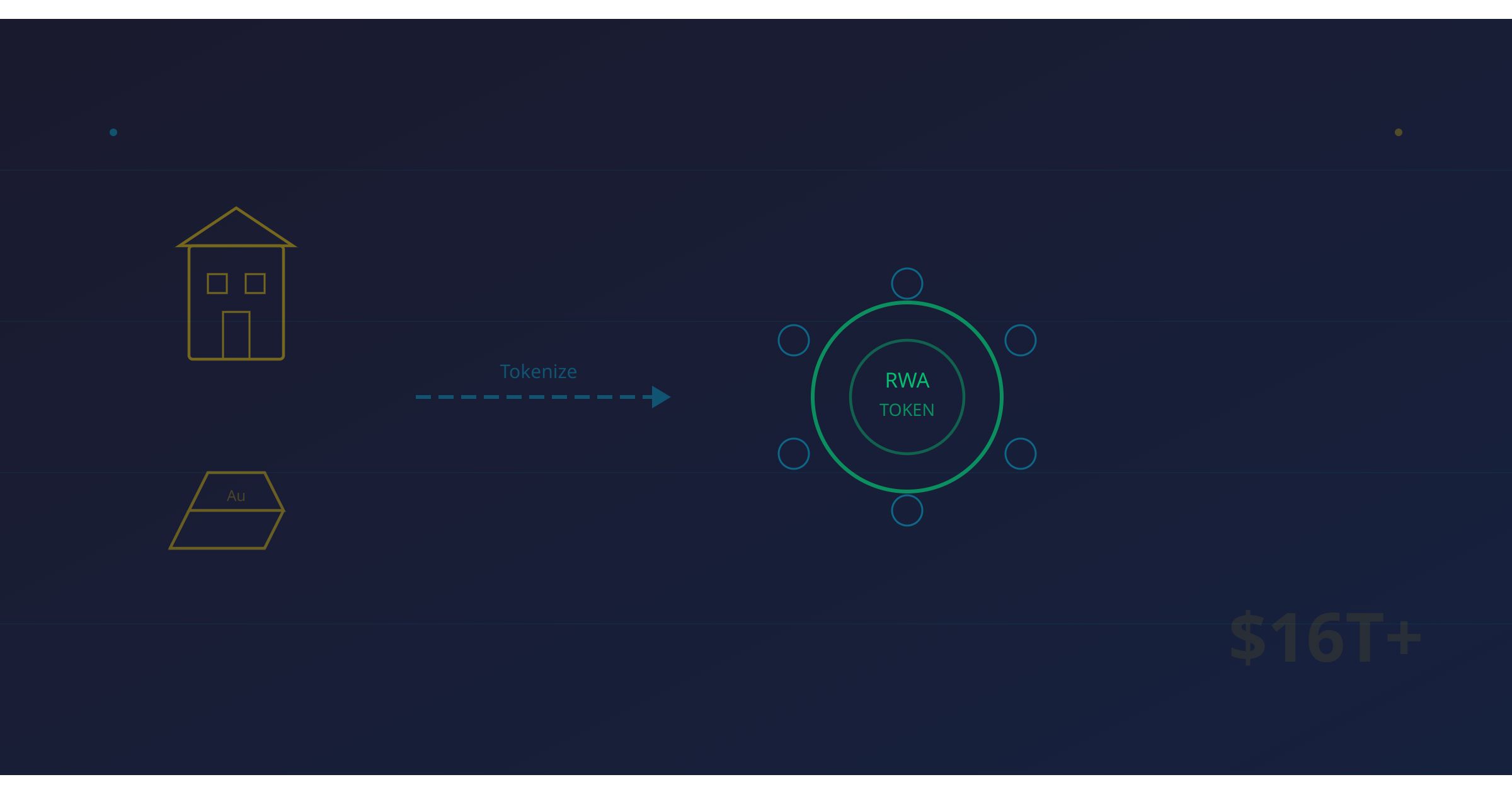
Токенизация RWA на криптобиржах: захват революции реальных активов
Содержание
- Конвергенция на триллион долларов
- Что такое реальные активы и зачем их токенизировать
- Типы токенизированных RWA, набирающие обороты
- Рынок в движении: кто уже действует
- Почему криптобиржам важны RWA
- Техническая реализация: ERC-3643 и токены соответствия
- Нормативно-правовая база для торговли RWA
- Архитектура биржи для поддержки RWA
- Источники дохода от листинга RWA
- Партнёрства, которые необходимо выстроить
- Конкурентное преимущество первопроходцев
- Трудности и способы их преодоления
- Дорожная карта внедрения поддержки RWA на бирже
- Заключение: окно возможностей открыто
Конвергенция на триллион долларов
В каждой отрасли наступает момент, когда технология созревает достаточно, чтобы потеснить действующих игроков. Для криптобирж этот момент наступил прямо сейчас — и катализатором стала токенизация реальных активов (RWA).
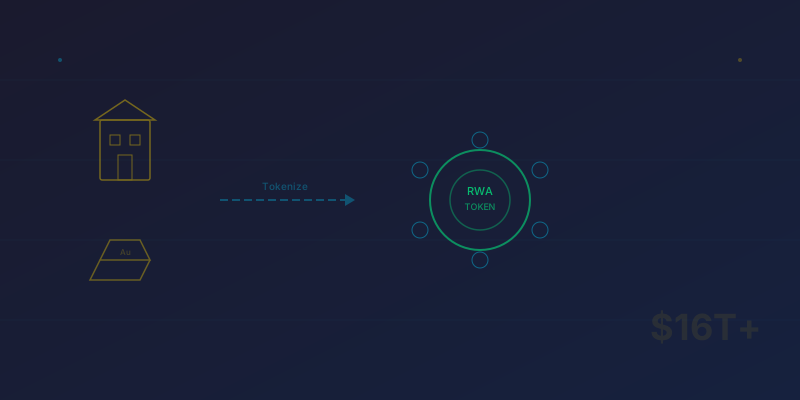
Концепция проста: возьмите активы, существующие в физическом или традиционном финансовом мире — казначейские облигации, недвижимость, сырьевые товары, частный кредит, искусство — и представьте их в виде токенов на блокчейне. В результате получается финансовый инструмент, сочетающий стабильность и привычность традиционных активов с программируемостью, прозрачностью и круглосуточной торговлей, свойственными криптовалютам.
Это не спекулятивная гипотеза. Boston Consulting Group прогнозирует, что рынок токенизированных активов достигнет $16 триллионов к 2030 году. McKinsey оценивает его ещё выше. BlackRock, крупнейший в мире управляющий активами, уже запустил токенизированный фонд денежного рынка. Franklin Templeton управляет ончейн-фондом государственных облигаций. MakerDAO выделил миллиарды в залоговое обеспечение в RWA.
Вопрос для операторов бирж больше не в том, станут ли RWA крупным классом активов на криптоплатформах. Вопрос в том, будет ли ваша биржа готова захватить этот объём — или вы будете наблюдать, как он уходит к конкурентам, которые двигались первыми.
Если вы создаёте или управляете криптобиржей, поддержка RWA стремительно переходит из категории «желательно» в категорию «стратегическая необходимость». Это руководство охватывает всё, что нужно знать: типы активов, технические стандарты, регуляторный ландшафт, изменения архитектуры и модель дохода.
Что такое реальные активы и зачем их токенизировать
Реальные активы (RWA) — это любые активы, стоимость которых определяется физическим миром или традиционной финансовой системой. Сюда входят государственные облигации, корпоративный долг, объекты недвижимости, сырьевые товары вроде золота или нефти, счета-фактуры, углеродные кредиты, интеллектуальная собственность и произведения искусства.
Токенизация — это процесс создания цифрового представления этих активов на блокчейне. Каждый токен представляет дробное или полное право собственности, а права и обязанности закодированы в смарт-контракте.
Зачем вообще токенизировать?
Традиционные финансовые активы страдают от ряда структурных ограничений, которые решает токенизация:
Неликвидность. Большая часть недвижимости, частного кредита и альтернативных инвестиций крайне неликвидна. Продажа коммерческой недвижимости может занять 6–12 месяцев. Токенизация обеспечивает дробное владение и торговлю на вторичном рынке, высвобождая ликвидность для активов, которые ранее были заморожены.
Высокие пороги входа. Инвестиции в коммерческую недвижимость требуют миллионов. Вход в фонд частного кредита — от $250 000. Токенизация позволяет инвестировать дробно начиная от $100, демократизируя доступ к классам активов, ранее зарезервированным для богатых.
Медленные расчёты. Сделки с облигациями рассчитываются в режиме T+1 или T+2. Трансграничные сделки с недвижимостью могут занимать недели. Блокчейн-расчёты способны сократить это до минут, а атомарные расчёты устраняют контрагентский риск.
Непрозрачность. Традиционный учёт фондов — это чёрный ящик. Инвесторы полагаются на квартальные отчёты. Ончейн-активы обеспечивают прозрачность в реальном времени: состав активов, денежные потоки и расчёт NAV.
Ограниченные часы торговли. Фондовые рынки закрываются в 16:00. Облигационные дески не работают в выходные. Токенизированные активы торгуются 24/7 на глобальных биржах, соответствуя непрерывному характеру крипторынков.
Эти преимущества не теоретические. Они движут реальным принятием со стороны крупнейших финансовых институтов мира.
Типы токенизированных RWA, набирающие обороты
Не все категории RWA находятся на одинаковой стадии зрелости. Вот как выглядит рынок в 2026 году:
Токенизированные государственные облигации и казначейские бумаги
Это самая зрелая категория RWA. Токены казначейских облигаций США превысили $5 млрд общей ончейн-стоимости благодаря спросу на доходные стейблкоины и ончейн-обеспечение.
Ключевые игроки — Ondo Finance (OUSG для краткосрочных казначейских бумаг, USDY для доходных стейблкоинов), OpenEden (TBILL для T-Bills) и Backed Finance (bIB01 для краткосрочных гособлигаций). Эти продукты предлагают доходность 4–5%, обеспеченную полным доверием правительства США — убедительное предложение для крипто-нативных казначейств и DeFi-протоколов.
Токены недвижимости
Токенизированная недвижимость варьируется от жилых объектов до коммерческих зданий и REIT. Платформы вроде RealT токенизируют арендуемую недвижимость в США, еженедельно распределяя доход от аренды держателям токенов. Lofty позволяет дробно владеть частными домами начиная с $50.
Возможности здесь огромны: мировой рынок недвижимости оценивается в $330 триллионов, и токенизировано менее 0,01%.
Токены сырьевых товаров
Золото лидирует. Paxos Gold (PAXG) и Tether Gold (XAUT) — одни из самых торгуемых товарных токенов, каждый обеспечен физическим золотом в хранилищах. Помимо драгоценных металлов растёт интерес к токенизированным сельхозтоварам, редкоземельным металлам и энергоресурсам.
Частный кредит
Это один из самых быстрорастущих сегментов RWA. Протоколы вроде Centrifuge, Maple Finance и Goldfinch выдали миллиарды в ончейн-займах реальным заёмщикам — от финтех-компаний на развивающихся рынках до операций торгового финансирования. Один MakerDAO выделил более $2 млрд в RWA-обеспечение, преимущественно в частный кредит и казначейские инструменты.
Углеродные кредиты
Токенизированные углеродные кредиты привносят прозрачность и ликвидность в добровольные углеродные рынки. Проекты вроде Toucan Protocol и KlimaDAO токенизировали миллионы углеродных кредитов, создав ончейн-рынок экологических активов. По мере усиления корпоративных ESG-обязательств у этой категории значительный потенциал роста.
Искусство и предметы коллекционирования
Дробное владение произведениями искусства, вином и предметами роскоши — развивающийся, но растущий сегмент. Платформы вроде Masterworks продемонстрировали спрос на дробные инвестиции в искусство, и ончейн-версии следуют за ними.
Рынок в движении: кто уже действует
Тренд токенизации RWA движется с самого верха финансовой пищевой цепи, и именно поэтому операторам бирж стоит обратить на него внимание.
Фонд BlackRock BUIDL
В начале 2024 года BlackRock запустил фонд BUIDL (BlackRock USD Institutional Digital Liquidity) на Ethereum. Этот токенизированный фонд денежного рынка инвестирует в казначейские облигации США и РЕПО, распределяя доход держателям токенов. К 2026 году BUIDL стал краеугольным камнем ончейн-институциональных финансов с сотнями миллионов в AUM.
Когда крупнейший в мире управляющий активами с $10 триллионами под управлением делает ставку на токенизацию, это валидирует всю категорию.
Ончейн-фонд Franklin Templeton
Franklin Templeton запустил свой токенизированный фонд гособлигаций BENJI на блокчейнах Stellar и Polygon. Фонд использует блокчейн как официальный реестр владения долями — не просто как вторичный реестр, а как основную книгу учёта. Это значимая веха для институционального принятия.
RWA-обеспечение MakerDAO
MakerDAO, протокол, стоящий за стейблкоином DAI, стал одним из крупнейших потребителей токенизированных RWA. Его хранилища держат миллиарды в RWA-обеспечении, преимущественно в казначейских облигациях США и структурированном кредите. Это превратило DAI из чисто крипто-обеспеченного стейблкоина в гибридный, подкреплённый как крипто-, так и реальными активами.
JPMorgan Onyx
Платформа Onyx от JPMorgan обработала сотни миллиардов в токенизированных РЕПО-операциях. Её Tokenized Collateral Network позволяет институциональным клиентам закладывать токенизированные активы в качестве обеспечения без физической передачи.
Закономерность очевидна: институты не экспериментируют с токенизацией. Они развёртывают её в масштабе. И им нужны площадки для торговли этими активами.
Почему криптобиржам важны RWA
Если вы управляете криптобиржей, вот почему RWA должны быть в вашей стратегической дорожной карте:
Новые торговые пары и объёмы
Каждый токенизированный RWA — это потенциально новая торговая пара. Токенизированные казначейские бумаги можно поставить в пару с USDT и USDC. Токены недвижимости могут торговаться против ETH. Товарные токены могут иметь собственный рыночный раздел. Каждая новая пара генерирует торговый объём и комиссии.
В отличие от листинга очередной мем-монеты, листинги RWA привлекают принципиально иную (и зачастую более ценную) аудиторию.
Приток институционального капитала
Институты годами осторожничали с криптой, ссылаясь на волатильность, регуляторную неопределённость и отсутствие привычных инструментов. RWA решают все три проблемы. Токенизированная казначейская облигация — привычный инструмент, регулируемый действующим законодательством о ценных бумагах, с минимальной волатильностью. Просто он живёт на блокчейне.
Листингуя RWA, вы даёте институтам причину зайти на вашу биржу — и оказавшись на платформе, они часто начинают торговать и криптоактивами. RWA — это входные ворота к институциональному принятию крипты.
Мы подробно рассмотрели институциональные требования в нашем руководстве по требованиям к институциональным криптобиржам. Поддержка RWA становится ключевым пунктом в чек-листах институциональной оценки.
Позитивный регуляторный нарратив
В эпоху усиления регулирования крипты токенизация RWA даёт биржам мощный нарратив: «Мы переносим традиционные финансовые активы на блокчейн, делая их доступнее, прозрачнее и эффективнее». Это резонирует с регуляторами гораздо сильнее, чем «мы листингуем 500 альткоинов».
Биржи, поддерживающие торговлю RWA, позиционируют себя как мост между традиционными финансами и криптой — именно ту роль, которую регуляторы хотят видеть.
Дифференциация от конкурентов
Большинство криптобирж функционально идентичны: те же токены, те же стаканы, тот же интерфейс. Поддержка RWA — настоящий фактор дифференциации. Если ваша биржа — единственная в регионе, предлагающая торговлю токенизированными казначейскими бумагами, у вас есть ров, который конкуренты не смогут быстро повторить (потому что им понадобятся те же регуляторные одобрения и партнёрства с эмитентами).
Техническая реализация: ERC-3643 и токены соответствия
Поддержка RWA-токенов требует иной технической инфраструктуры, чем поддержка стандартных ERC-20-токенов. Вот почему:
Стандарт ERC-3643
ERC-3643 (ранее T-REX) — ведущий Ethereum-стандарт для security-токенов с соблюдением нормативных требований. В отличие от ERC-20, который допускает неограниченные переводы, ERC-3643 обеспечивает верификацию личности и ограничения на переводы на уровне смарт-контракта.
Ключевые особенности ERC-3643:
- Реестр идентичностей: каждый держатель токена должен иметь верифицированную ончейн-идентичность (привязанную к его KYC/AML-верификации)
- Ограничения на переводы: смарт-контракт проверяет реестр идентичностей перед каждым переводом. Если получатель не в белом списке, перевод отклоняется
- Комплаенс-правила: настраиваемые правила максимального числа держателей, страновых ограничений, периодов блокировки и статуса аккредитации инвестора
- Механизм восстановления: эмитенты могут восстановить токены с утерянных кошельков (требование большинства норм о ценных бумагах)
- Приостановка: регуляторы или эмитенты могут приостановить торговлю в чрезвычайных ситуациях
Торговля только по белому списку
Поскольку ERC-3643-токены могут передаваться только между адресами из белого списка, ваша биржа должна интегрироваться с реестром идентичностей токена. Когда пользователь хочет торговать RWA-токеном, ваша платформа должна:
- Проверить, что KYC-статус пользователя соответствует требованиям токена
- Зарегистрировать биржевой адрес кошелька пользователя в белом списке токена
- Убедиться, что пользователь соответствует требованиям по аккредитации и юрисдикции
- Обработать случай, когда статус пользователя в белом списке отзывается посреди открытой позиции
Это принципиально отличается от листинга обычного криптотокена, который может купить и продать кто угодно.
Интеграция комплаенс-оракулов
Многие эмитенты RWA-токенов используют комплаенс-оракулы — ончейн- или офчейн-сервисы, проверяющие, разрешена ли транзакция. Инфраструктура смарт-контрактов вашей биржи должна опрашивать эти оракулы перед исполнением сделок.
Типичный процесс выглядит так:
- Пользователь размещает ордер на покупку RWA-токена
- Матчинговый движок биржи исполняет ордер
- Перед расчётами биржа опрашивает комплаенс-оракул
- Оракул проверяет: есть ли покупатель в белом списке? Укладывается ли перевод в дневные лимиты? Разрешает ли юрисдикция покупателя этот актив?
- Если все проверки пройдены, расчёты проходят. Если нет — ордер отклоняется с понятным сообщением об ошибке
Это добавляет задержку и сложность по сравнению со стандартной криптоторговлей, но для регулируемых ценных бумаг это не подлежит обсуждению.
Инфраструктура смарт-контрактов
Ваша биржа должна поддерживать взаимодействие с комплаенс-ориентированными смарт-контрактами на Ethereum и других сетях, где выпускаются RWA (Polygon, Avalanche, Stellar, Solana). Это означает:
- ABI-интеграцию для контрактов ERC-3643
- Доступ на чтение и запись к реестру идентичностей
- Слушатели событий для изменений белого списка, обновлений комплаенс-правил и пауз токена
- Поддержку модели claims/attestation, используемой ончейн-протоколами идентичности
Если вы уже используете DeFi-интеграции на своей бирже, часть этой инфраструктуры смарт-контрактов будет переиспользуемой.
Нормативно-правовая база для торговли RWA
Соблюдение нормативных требований для RWA-токенов не опционально — это вся суть. Вот как регуляторный ландшафт формирует требования к биржам:
Классификация ценных бумаг
В большинстве юрисдикций токенизированные облигации, акции и доли фондов классифицируются как ценные бумаги независимо от их блокчейн-нативной формы. Это означает:
- США: RWA-токены подпадают под регулирование SEC. Биржам нужна лицензия ATS (альтернативная торговая система) или регистрация брокер-дилера для поддержки вторичной торговли. Исключения вроде Reg D (аккредитованные инвесторы) или Reg A+ (ограниченные публичные размещения) определяют, кто может инвестировать
- ЕС: по MiFID II и DLT Pilot Regime токенизированные ценные бумаги должны торговаться на регулируемых площадках. DLT Pilot Regime специально разрешает блокчейн-площадкам работать с определёнными исключениями
- Сингапур: MAS рассматривает токенизированные ценные бумаги в рамках Закона о ценных бумагах и фьючерсах. Лицензированные биржи могут листинговать их с надлежащими раскрытиями
- Швейцария: Закон о DLT от FINMA создал специальный режим для цифровых ценных бумаг, включая новую категорию лицензий для DLT-торговых площадок
Верификация аккредитованных инвесторов
Многие RWA-токены выпускаются по исключениям, ограничивающим продажу аккредитованными или квалифицированными инвесторами. Ваша биржа должна:
- Проверять статус аккредитованного инвестора при KYC-онбординге
- Хранить подтверждения аккредитации (справки о чистой стоимости активов, подтверждение дохода, профессиональные сертификаты)
- Повторно проверять аккредитацию периодически (обычно ежегодно)
- Ограничивать интерфейсы торговли RWA верифицированными аккредитованными пользователями
Проспекты и требования к раскрытию информации
Эмитенты токенов должны предоставлять эмиссионные документы (проспект, меморандум о размещении или меморандум о частном размещении). Ваша биржа должна:
- Размещать эмиссионные документы или ссылки на них для каждого листингованного RWA
- Обеспечивать подтверждение пользователями ознакомления с раскрытиями перед торговлей
- Отображать предупреждения о рисках, специфичные для каждого типа актива
- Хранить записи о подтверждениях пользователей для регуляторных аудитов
Трансграничные аспекты
Регулирование RWA кардинально различается по юрисдикциям. Токенизированная казначейская облигация, доступная аккредитованным инвесторам США, может быть недоступна розничным инвесторам ЕС, и наоборот. Вашей бирже нужны учитывающие юрисдикцию механизмы контроля доступа, ограничивающие видимость токенов и доступ к торговле в зависимости от верифицированной страны проживания пользователя.
Это напрямую связано с более широкой комплаенс-инфраструктурой, которую должна выстроить каждая современная биржа.
Архитектура биржи для поддержки RWA
Добавление поддержки RWA на биржу — не просто листинг новых токенов. Оно требует архитектурных изменений:
Выделенный раздел торговли RWA
Лучшая практика — создать отдельный раздел торговли RWA внутри биржи, отличный от спотовых крипторынков. Этот раздел должен:
- Иметь собственный пункт навигации и целевую страницу
- Отображать специфичную для актива информацию (базовый актив, эмитент, доходность, дата погашения, кредитный рейтинг)
- Ясно показывать комплаенс-статус (например, «Доступно аккредитованным инвесторам в США, ЕС, SG»)
- Включать образовательный контент, объясняющий каждый тип актива
- Иметь иные раскрытия рисков, чем спотовые крипторынки
Модифицированный цикл расчётов
В то время как криптосделки рассчитываются мгновенно, некоторые RWA-токены следуют циклам расчётов традиционных финансов:
- T+0 (мгновенно): полностью ончейн-токены вроде Ondo USDY рассчитываются сразу
- T+1: некоторые токенизированные ценные бумаги следуют расчётам на следующий день в соответствии с регуляторными требованиями
- T+2: отдельные токены недвижимости и частного кредита могут иметь более длинные окна расчётов
Ваш матчинговый движок и система расчётов должны поддерживать настраиваемые периоды расчётов для каждого токена. Пользователям нужна ясная видимость того, когда их сделки будут рассчитаны и когда они смогут вывести купленные токены.
Архитектура кастоди
Кастоди RWA сложнее стандартного криптокастоди:
- Сегрегированные кошельки: RWA-токены могут требовать хранения в сегрегированных кошельках для каждого пользователя (а не в омнибусных), в зависимости от регуляторных требований
- Квалифицированный кастодиан: некоторые юрисдикции требуют, чтобы RWA-токены хранились у квалифицированного кастодиана, которым может быть третья сторона, а не сама биржа
- Доказательство резервов: хотя вы, возможно, уже публикуете proof of reserves для криптоактивов (как обсуждалось в нашем руководстве по стейкингу и earn-функциям), кастоди RWA требует дополнительных аттестаций, связывающих ончейн-токены с офчейн-активами
- Корпоративные действия: у RWA-токенов могут быть корпоративные действия — купонные выплаты, события погашения, дивиденды — которые ваша кастодиальная система должна обрабатывать автоматически
Особенности стакана ордеров
Рынки RWA могут требовать иной конфигурации стакана:
- Минимальные размеры ордеров: могут применяться регуляторные минимумы ($10 000+ для некоторых ценных бумаг)
- Максимальные лимиты позиций: ограничение суммы, которую может держать один пользователь
- Торговые часы: некоторые эмитенты могут требовать торговлю только в определённые часы (даже если блокчейн работает 24/7)
- Автоматические прерыватели: автоматическая приостановка торгов при аномальных движениях цены, по аналогии с традиционными фондовыми биржами
Источники дохода от листинга RWA
Поддержка RWA создаёт множество новых источников дохода, которых нет при стандартных криптолистингах:
Комиссии за листинг от эмитентов
Эмитенты RWA — управляющие активами, девелоперы недвижимости, товарные фонды — готовы платить значительные комиссии за листинг, потому что доступ к бирже критичен для ликвидности токена. Типичные диапазоны:
- Небольшие эмитенты: $25 000–$75 000 за листинг
- Средние фонды: $75 000–$150 000 за листинг
- Институциональные эмитенты: $150 000–$250 000+ за листинг, часто с текущими комиссиями
Сравните с криптолистингами, где многие биржи берут мало или ничего. Эмитенты RWA понимают, что биржевой листинг — это услуга с добавленной стоимостью.
Торговые комиссии
Комиссии за торговлю RWA обычно выше стандартных спотовых криптокомиссий, потому что:
- Аудитория более институциональна и менее чувствительна к комиссиям
- Комплаенс-издержки оправдывают более высокие комиссии
- Конкурирующих площадок меньше (в отличие от криптоспота, где десятки бирж листингуют один и тот же токен)
Комиссия 0,1–0,3% по сделкам с RWA — стандарт, по сравнению с 0,05–0,1% на конкурентных криптоспотовых парах.
Комиссии за кастоди и хранение
Хранение RWA-токенов — премиальная услуга. Годовые кастодиальные комиссии в 10–50 базисных пунктов от AUM — стандарт в традиционных финансах, и они напрямую переносятся на токенизированные активы. Биржа, хранящая $100 млн в RWA-токенах по ставке 25 базисных пунктов, генерирует $250 000 годового повторяющегося дохода — чисто пассивный доход.
Комиссии за первичное размещение
Помимо вторичной торговли, биржи могут проводить первичные размещения токенов — эквивалент IPO или эмиссии облигаций. Комиссии за размещение в 1–3% от общего объёма эмиссии — стандарт. Если вы размещаете токенизацию недвижимости на $50 млн, это $500 тыс.–$1,5 млн комиссий за размещение.
Комплаенс как услуга
Если ваша биржа выстроила надёжную инфраструктуру KYC, верификации аккредитации и управления белыми списками, вы можете предлагать эти услуги эмитентам RWA, которым нужно соответствующее требованиям распределение. Это создаёт SaaS-подобный поток дохода параллельно с биржевым бизнесом.
Партнёрства, которые необходимо выстроить
Успешный запуск поддержки RWA требует экосистемы партнёрств, выходящей за рамки типичных отношений криптобиржи:
Эмитенты токенов и оригинаторы активов
Выстраивайте отношения с компаниями, активно токенизирующими активы: Ondo Finance, Securitize, Polymath, Centrifuge, RealT и другими. Это ваши партнёры со стороны предложения, которые приводят активы на вашу биржу.
Юрисконсульты, специализирующиеся на цифровых ценных бумагах
Стандартной криптоюридической консультации недостаточно. Вам нужны юристы с опытом в законодательстве о ценных бумагах, формировании фондов и трансграничных размещениях. Фирмы вроде DLA Piper, Linklaters и специализированные практики по криптоценным бумагам необходимы.
Трансфер-агенты
В традиционных финансах трансфер-агенты ведут официальный реестр владения ценными бумагами. Для токенизированных ценных бумаг блокчейн-нативные трансфер-агенты вроде Securitize и Vertalo соединяют ончейн- и офчейн-миры. Ваша биржа должна интегрироваться с их системами.
Квалифицированные кастодианы
Если ваша юрисдикция требует хранения RWA-токенов у квалифицированного кастодиана, вам нужны партнёрства с фирмами вроде Anchorage Digital, BitGo или Fireblocks, имеющими кастодиальные лицензии, покрывающие цифровые ценные бумаги (а не только криптоактивы).
Провайдеры KYC/AML и аккредитации
Помимо стандартного KYC вам нужны сервисы верификации аккредитованных инвесторов. Фирмы вроде Verify Investor, Parallel Markets и Jumio предлагают такие услуги. Интеграция с вашим существующим KYC-конвейером критична — читайте наше руководство по KYC/AML-комплаенсу о базовой инфраструктуре.
Конкурентное преимущество первопроходцев
Токенизация RWA всё ещё на ранней стадии. Большинство криптобирж не добавили поддержку RWA. Это создаёт значительное преимущество первопроходца:
Регуляторные отношения
Подача заявок и получение лицензий, необходимых для торговли токенизированными ценными бумагами, занимает 12–24 месяца. Каждый месяц задержки отбрасывает вас дальше позади бирж, начавших процесс раньше. Регуляторный ров реален и его трудно быстро воспроизвести.
Отношения с эмитентами
Эмитенты RWA хотят листинговаться на биржах, понимающих их комплаенс-потребности. Как только эмитент установил отношения с вашей биржей — интегрировал свой белый список, настроил потоки расчётов, завершил юридическую документацию — издержки переключения высоки. Первопроходцы закрепляют за собой лучших эмитентов.
Институциональное доверие
Институты оценивают биржи по послужному списку. Биржа, которая два года листингует RWA-токены и торгует ими, имеет доказуемый трек-рекорд. Конкуренту, запускающему поддержку RWA с нуля в 2028 году, будет трудно продемонстрировать такую же надёжность.
Сетевые эффекты ликвидности
Как и весь биржевой бизнес, торговля RWA выигрывает от сетевых эффектов ликвидности. Больше ликвидности привлекает больше трейдеров. Больше трейдеров привлекает больше эмитентов. Больше эмитентов привлекает больше ликвидности. Первопроходцы раскручивают этот маховик, пока конкуренты ещё в регуляторном подвешенном состоянии.
Трудности и способы их преодоления
Токенизация RWA не лишена сложностей. Честность в этом вопросе помогает эффективно планировать:
Раскрутка ликвидности
У новых RWA-токенов изначально будут тонкие стаканы. В отличие от криптотокенов, где маркет-мейкеры могут начать сразу, маркет-мейкинг в RWA ограничен комплаенс-требованиями (маркет-мейкеры тоже должны быть в белом списке). Решения включают:
- Партнёрство с маркет-мейкерами, специализирующимися на RWA, такими как Wintermute или GSR
- Предложение стимулов для маркет-мейкинга (сниженные комиссии, ребейты)
- Предоставление RFQ-интерфейсов (Request for Quote) для крупных ордеров вместо опоры только на стаканы
- Создание AMM-пулов для более ликвидных RWA-токенов
Юридическая сложность
Работа в нескольких юрисдикциях с разным законодательством о ценных бумагах действительно сложна. Прагматичный подход:
- Начните с одной-двух юрисдикций, где у вас уже есть лицензии
- Сосредоточьтесь на типах активов с ясной регуляторной классификацией (например, токенизированные казначейские бумаги — очевидно ценные бумаги)
- Избегайте новых или неоднозначных структур, пока не улучшится регуляторная ясность
- Закладывайте бюджет на юридические расходы в 2–3 раза больше, чем для стандартной криптобиржи
Фрагментация между юрисдикциями
Токенизированная облигация, легальная в США по Reg D, может не подлежать распределению в ЕС без отдельного проспекта. Это создаёт фрагментированные рынки. Биржи, способные работать с мультиярисдикционным распределением, имеют значительное преимущество, но это требует комплаенс-инфраструктуры под каждую юрисдикцию.
Технологическая нагрузка интеграции
Поддержка ERC-3643, комплаенс-оракулов, реестров идентичности и модифицированных циклов расчётов добавляет инженерной сложности. Если вы используете программное обеспечение для криптобирж с модульной архитектурой, добавление этих возможностей управляемо. Монолитные платформы будут испытывать трудности.
Разрыв в знаниях
Многие криптотрейдеры не понимают RWA, а многие традиционные инвесторы не понимают криптобирж. Ваша платформа должна преодолеть этот разрыв с помощью понятного образовательного контента, интуитивного интерфейса и отзывчивой поддержки.
Дорожная карта внедрения поддержки RWA на бирже
Вот поэтапный подход для операторов бирж, желающих добавить поддержку RWA:
Этап 1: Фундамент (месяцы 1–3)
- Проведите регуляторный анализ для целевых юрисдикций
- Привлеките специализированных юрисконсультов по комплаенсу в сфере ценных бумаг
- Начните подачу заявок на лицензии (ATS, DLT Pilot Regime и т. д.)
- Модернизируйте систему KYC для поддержки верификации аккредитованных инвесторов
- Оцените и выберите кастодиальное решение для цифровых ценных бумаг
Этап 2: Техническая разработка (месяцы 4–6)
- Реализуйте интеграцию смарт-контрактов ERC-3643
- Постройте систему запросов к комплаенс-оракулам
- Разработайте интерфейс управления белыми списками
- Создайте выделенный раздел торговли RWA в интерфейсе биржи
- Реализуйте настраиваемые циклы расчётов
- Постройте обработку корпоративных действий (купонные выплаты, дивиденды)
Этап 3: Онбординг партнёров (месяцы 5–8)
- Подпишите соглашения с 3–5 первоначальными эмитентами RWA-токенов
- Интегрируйтесь с системами трансфер-агентов
- Подключите маркет-мейкеров, соответствующих требованиям RWA
- Установите партнёрства с квалифицированными кастодианами
- Завершите юридическую проверку эмиссионных документов каждого токена
Этап 4: Мягкий запуск (месяцы 8–10)
- Запуститесь с 3–5 токенизированными казначейскими и облигационными продуктами (самые зрелые и наименее рискованные)
- Изначально ограничьте доступ аккредитованными инвесторами
- Отслеживайте работу комплаенс-систем в реальных условиях
- Собирайте обратную связь пользователей об опыте торговли RWA
- Отладьте процессы расчётов и кастоди
Этап 5: Масштабирование (месяцы 10–18)
- Расширьтесь на токены недвижимости и сырьевых товаров
- Добавьте поддержку токенов частного кредита
- Откройте доступ розничным инвесторам там, где это разрешает регулирование (например, токены Reg A+)
- Запустите проведение первичных размещений
- Постройте предложение «комплаенс как услуга» для внешних эмитентов
- Рассмотрите кросс-листинг RWA-токенов с биржами-партнёрами
Эта 18-месячная дорожная карта превращает вашу биржу из чисто криптовалютной площадки в мультиактивную платформу цифровых ценных бумаг.
Заключение: окно возможностей открыто
Токенизация RWA представляет собой самую значительную возможность расширения для криптобирж со времён появления торговли фьючерсами и деривативами. Адресуемый рынок измеряется триллионами. Институциональный спрос реален и растёт. Технология достаточно зрелая для промышленного использования. А конкурентный ландшафт всё ещё широко открыт.
Биржи, которые выстроят поддержку RWA сейчас, окажутся на пересечении двух масштабных трендов: миграции традиционных финансов на блокчейн-рельсы и созревания криптобирж в полноспектровые финансовые платформы.
Требования к инфраструктуре существенны — регуляторные лицензии, комплаенс-технологии, кастодиальные решения, партнёрства с эмитентами. Но модель дохода убедительна: комиссии за листинг, торговые комиссии, доход от кастоди и комиссии за первичные размещения создают диверсифицированный поток дохода, более устойчивый, чем доход от чистой криптоспотовой торговли.
Если вы создаёте криптобиржу или ищете способ дифференцировать существующую платформу, токенизация RWA — это стратегический ход, который определит следующую эпоху торговли цифровыми активами.
Готовы позиционировать вашу биржу для революции RWA? Изучите биржевое ПО Codono, чтобы увидеть, как наша модульная архитектура поддерживает всё — от спотовой криптоторговли до соответствующего требованиям листинга RWA-токенов — на единой платформе.
Codono Team
Codono builds enterprise-grade crypto exchange software deployed by 250+ operators across 30+ countries. Our team writes from production experience running spot, derivatives, custody, and compliance at scale.
View all posts by Codono Team →