 거래소 소프트웨어
 30-Second Verdict
OpenDAX is a respected, actively maintained hybrid open-source exchange stack for teams who want to engineer their own venue — open core, private components, commercial support through Openware, and full responsibility for assembly, hardening, and operations. Codono is a finished product with the source included: pay once, deploy in weeks with assistance, and keep the code.
The honest framing: OpenDAX sells you a foundation and the freedom to build; Codono sells you the built thing and the freedom to change it. Choose by the engineering you actually have.
At a Glance
| Factor | OpenDAX (Openware) | Codono |
|---|---|---|
| Model | Hybrid open source: public core + private/commercial components | One-time commercial license, full source included |
| Cost shape | Free core; commercial tiers; the real cost is engineering time | $1,899 one-time (Ultra), Enterprise from $12,500 |
| Team required | In-house devops + engineering, ongoing | Configuration-level; assisted deployment included |
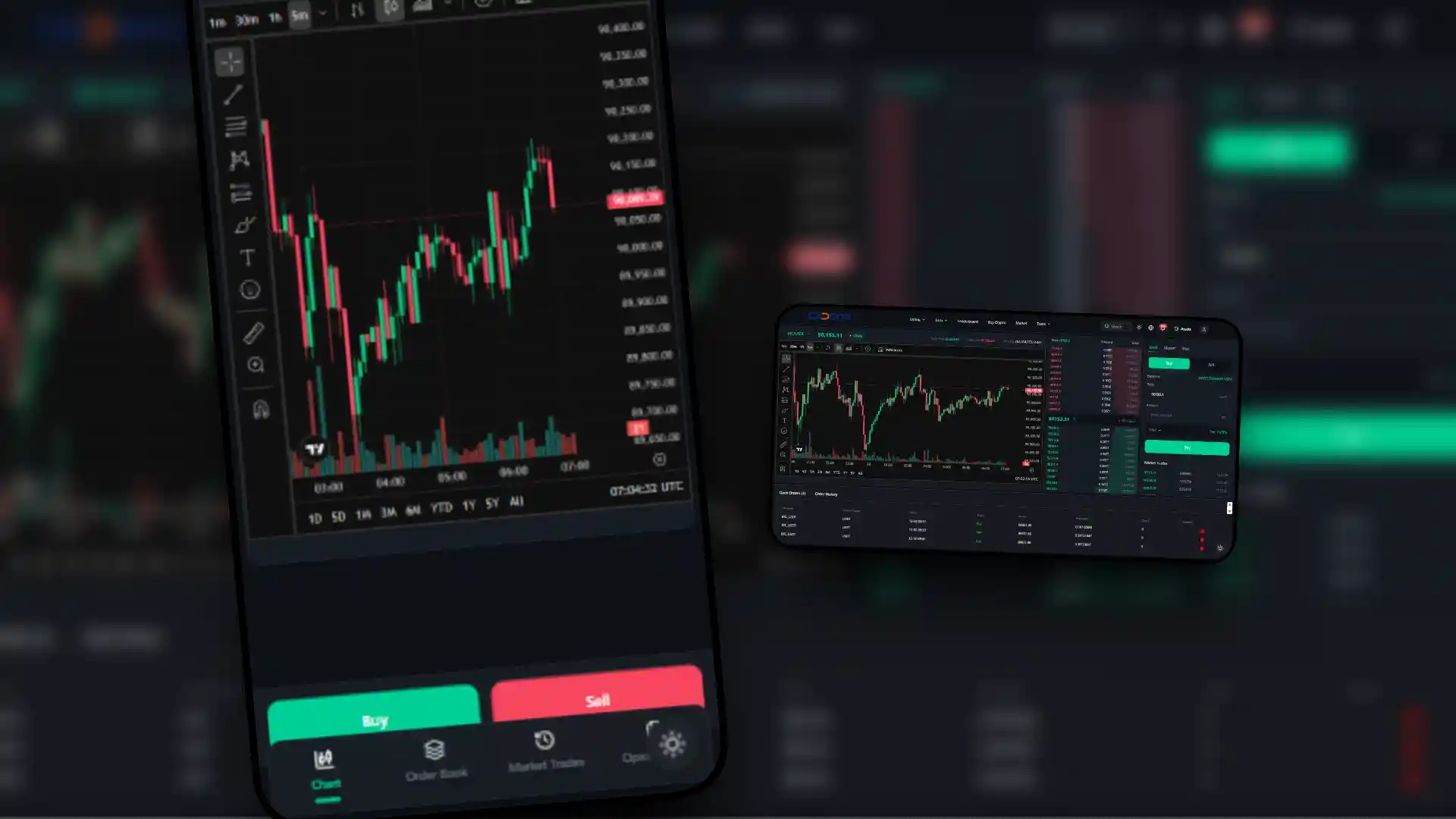
| Included scope | Exchange foundation; more capability = more building | Spot, margin, futures, P2P, staking, launchpad, mobile apps |
| Mobile apps | Build or source separately | Native iOS/Android with source, included |
| Security ownership | Yours end-to-end | Hardened defaults + 12 months of updates; source auditable |
| Support | Community + commercial tiers | 12 months included with every license |
| Time to launch | Months, team-dependent | 14–21 days typical |
Two Different Philosophies
OpenDAX descends from the open-source exchange tradition: a cloud-native, component-based stack (matching, accounting, identity) that a competent team assembles into a venue. It is genuinely open at the core, genuinely flexible, and genuinely demanding — the platform’s assumption is that you bring engineers, and its commercial layer exists because production deployments need pieces and help beyond the public repos.
Codono starts from the opposite end: the exchange is already assembled, integrated, and running in production for hundreds of operators — and the license hands you all of it, unencrypted. The source code is not the starting point of a build; it’s your insurance and your customization surface after launch. Developers evaluating the stack itself should read the crypto exchange script deep-dive .
The Real Cost Comparison
A $0 license fee is not a $0 exchange. OpenDAX’s realistic budget is an engineering team for months (assembly, integration, testing, hardening), plus ongoing maintenance headcount, plus commercial components or support where the public core stops. For a team that already employs those engineers and wants control of every layer, that spend is an investment, not waste.
Codono’s budget is the license plus hosting: $1,899 one-time (Ultra) or Enterprise from $12,500, roughly $200–$800/month infrastructure, assisted deployment included, and no per-seat, per-trade, or revenue-share charges. Five-year totals typically land where OpenDAX’s first-year engineering payroll starts. The pricing page has current tiers; the buyer’s checklist covers how to model the comparison honestly.
Security & Maintenance Ownership
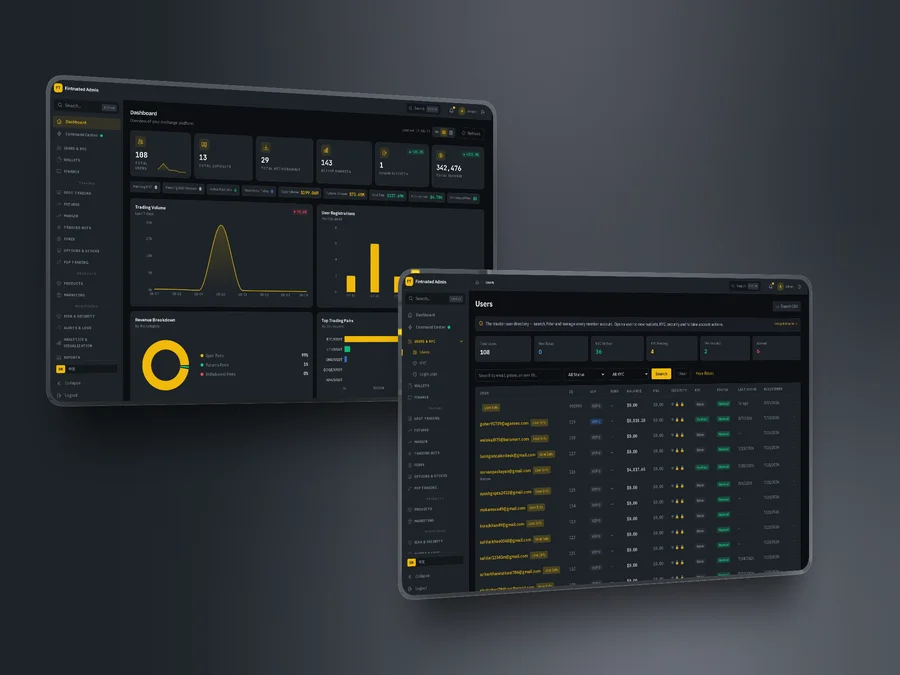
With OpenDAX, security is your project: dependency updates, wallet hardening, infrastructure patching, incident response — the open code gives your auditors full visibility, and your team carries the pager. With Codono, the shipped platform carries the hardening (hot/cold segregation, MPC signing, rate limiting, immutable audit logs) with 12 months of security updates included — and because the source is open to you, your team can audit and extend rather than trust blindly. Neither model removes operational security discipline; one changes who builds the baseline.
When OpenDAX Wins
- You have (and want to keep) a strong in-house engineering team whose mandate is owning the stack
- Open-core philosophy matters to your organization more than launch speed
- Your venue needs architecture unusual enough that assembling from components beats adapting a product
When Codono Wins
- You want a working exchange in weeks, with the source as your safety net rather than your job
- Launch scope matters: margin, futures, P2P, staking, launchpad, and mobile apps on day one
- You’d rather budget a fixed license than an engineering program
- You want someone contractually on the hook for support during your first year
See it running before deciding: open the live demo , review license tiers , or survey the whole field on the OpenDAX alternatives page.